What Is the Best Solar Power System in China?

Time:2026-11-12 Author:Isabella
0%

Choosing the best Solar Power system in China is not as simple as comparing panel prices. The right choice depends on where the system will operate, how much electricity it must supply, and what the roof or site can support. China’s climate and sunlight vary widely, from humid southern regions to colder northern cities. Local shade, seasonal weather, and connection conditions can change expected output. The same equipment may perform differently on two nearby rooftops.

Small details matter.

A useful comparison looks beyond the panels. Inverter efficiency, battery capacity, equipment warranties, installation quality, and after-sales support all affect long-term value. A low purchase price can be appealing, but it may not include every component or service. Ask for a clear estimate of expected annual generation, system losses, maintenance needs, and total installed cost. These figures should be based on the actual site, not just a generic product brochure.

This guide will compare common system types and explain which factors deserve attention for homes and businesses. It will also outline questions to ask installers and ways to assess performance claims. Readers should confirm local requirements and project details with qualified professionals before making a decision. There is no universal winner, and a checklist cannot capture every roof or household. That uncertainty is worth acknowledging. The best system is the one that meets real energy needs reliably, with costs and limitations clearly explained.
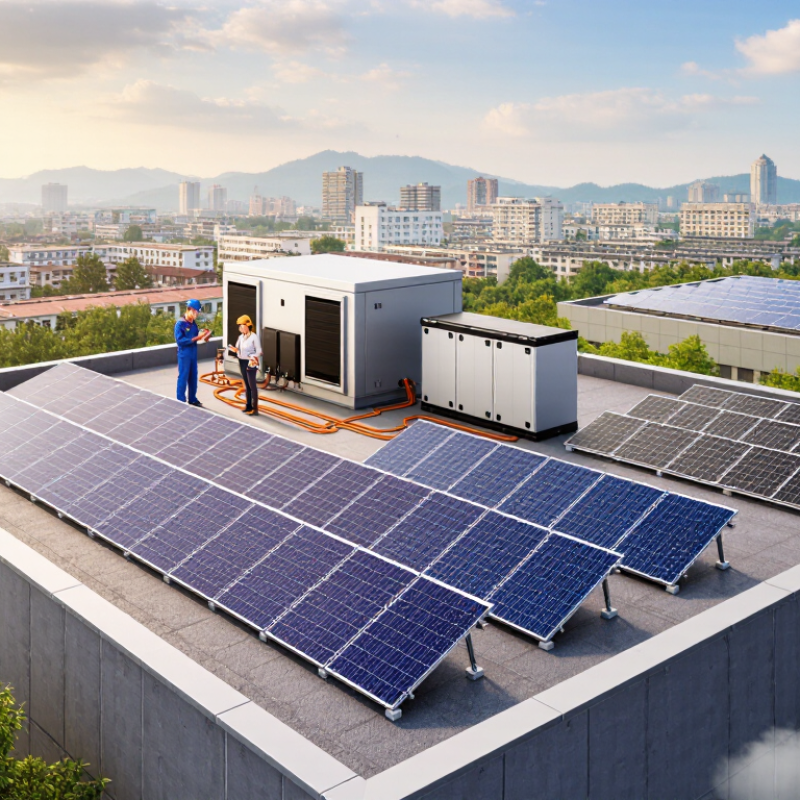
What Is the Best Solar Power System in China?

What Is a Solar Power System in China?

What Is a Solar Power System in China?

A solar power system in China converts sunlight into electricity, usually through photovoltaic panels installed on rooftops or open land. The panels produce direct-current electricity, and an inverter changes it into alternating current for household or business use. A typical setup also includes mounting rails, wiring, protection devices, and monitoring equipment. Some systems connect to the electricity grid; others use batteries to store power for later. The right design depends on roof direction, shading, daily energy use, and local weather. A small patch of afternoon shade can affect output more than expected.

Tips: Check the roof’s condition and measure shaded areas at different times of day. Ask for an estimated annual energy yield, not just the panel capacity. Confirm what the system includes, such as wiring, installation, and monitoring. Battery storage is not automatically necessary.

China has varied solar conditions, from bright northern regions to humid southern areas. Equipment and installation choices should reflect local heat, rainfall, wind, and building structure. Compare proposals using clear assumptions about energy use and system performance. A very low price may leave important details unclear. Even a careful estimate can miss something, so review the design and warranty terms before committing.

What Types of Solar Power Systems Are Available?

What Types of Solar Power Systems Are Available?

China’s solar systems generally fall into three categories: grid-connected, off-grid, and hybrid. Grid-connected systems send surplus electricity to the utility network and draw power when panels cannot meet demand. They suit many urban homes and commercial rooftops, where grid access is reliable. In practice, the neat categories can blur.

Off-grid systems work without a utility connection. Batteries store daytime energy for evening use, making them useful for remote sites, but storage adds cost and requires careful sizing. Hybrid systems combine grid access with batteries. They can provide backup during outages, though a battery is not automatically economical. That trade-off matters.

China’s National Energy Administration reported 216.88 gigawatts of newly installed solar capacity in 2023, bringing cumulative capacity to 609.49 gigawatts. These figures describe the scale of deployment, not which system fits a particular building. A practical choice depends on roof area, daytime demand, local grid conditions, and the value placed on backup power. For example, a home with strong daytime consumption may use grid-connected solar effectively; a remote pumping station may need off-grid storage. Ask for a load assessment and an estimate of seasonal output. Estimates can still miss real-world shading.

Which Factors Determine the Best Solar Power System?

The best solar power system in China depends on the site, not just its rated output. A household in sunny western regions may favor a different design from one in cloudy coastal areas. Check local solar conditions across the year, not only the brightest summer month. Real roofs have shade, dust, and awkward angles.

Start with electricity use. Compare twelve months of bills and note when major appliances run. A family using air conditioning on hot afternoons may benefit from a system sized around daytime demand. A battery can help shift power into the evening, but it adds cost and may not pay off everywhere. Worth checking carefully. A simple payback estimate can miss replacement costs and changing tariffs.

Equipment quality matters, but system design and installation matter just as much. Look for modules and inverters with clear performance data, suitable temperature ratings, and accessible warranty terms. Ask how the installer handles roof loading, waterproofing, wiring protection, and monitoring. A neat quote can still overlook a shaded chimney or an aging roof. I would question any proposal that guarantees a fixed output without explaining its assumptions. The strongest choice balances annual yield, safety, service access, and total lifetime cost—not the biggest number on the brochure.

How Do China’s Leading Solar Brands Compare?

China’s leading solar brands differ less in headline promises than in the details behind them. Compare module efficiency, temperature performance, degradation rates, and warranty terms on current product datasheets. A high efficiency figure can help when roof space is tight. It does not guarantee the best system for every home.

Look closely at the full setup. Inverters, batteries, monitoring software, and installation support all affect daily performance. Ask whether components work together and who handles service if a fault appears. Real examples matter: a shaded roof, hot afternoons, or a battery in a cold utility room can change results. Check certifications and warranty conditions with an independent installer, not just sales material. I would not rank a brand from one specification alone; that can be misleading. Some comparison tables also leave out repair access, which is easy to overlook. Choose the system that fits your roof, usage, budget, and local support options.

What Is the Best Solar Power System in China? How Do China’s Leading Solar Brands Compare?

Solar module efficiency is one useful comparison point. The chart shows representative commercial efficiency ranges by cell technology, not ratings for specific brands. Higher efficiency can produce more power from limited roof space, but overall system performance also depends on the inverter, installation, shading, local sunlight, warranty, and price.

Efficiency ranges are indicative market-level figures and can vary by product and release year. Module efficiency alone does not determine which complete solar power system is best.

How Can You Choose a System for Your Needs?

A suitable solar system depends on how and when you use electricity, not just the roof’s size. Review several months of bills and note daytime loads, such as air conditioning, pumps, or home charging. Measure real use. A household that consumes most power after sunset may value battery storage, while a home with steady daytime demand may need less storage. If outages are a concern, check which circuits a battery can support and for how long. Battery capacity and inverter output are different ratings; ask for both in plain language.

Inspect the site before comparing quotes. Shade from trees, roof direction, available space, and seasonal weather can change expected production. Ask for an estimate based on your location and roof conditions, not a generic annual figure. Confirm the proposed system’s output, monitoring method, maintenance needs, and warranty terms. In China, grid connection requirements can vary by location, so ask the installer to explain the local process and any limits on exporting power. Compare itemized proposals from qualified installers, and request references for similar projects. A tidy diagram is helpful, but it cannot replace clear assumptions about shading and energy use. I would also question any estimate that promises identical production every month; real weather rarely cooperates.

What Is the Best Solar Power System in China? — How Can You Choose a System for Your Needs?

Decision Factor Grid-Tied System Hybrid System Off-Grid System
Best suited for Homes and businesses with a reliable grid connection that mainly want to reduce electricity purchases. Grid-connected users who want bill savings plus backup power for selected loads. Remote sites without a dependable grid connection, such as isolated buildings or some agricultural facilities.
Typical system scale Residential rooftop systems are often around 3–10 kWp; commercial systems can be much larger. Residential systems are often around 5–15 kWp, with capacity selected to match daytime use and backup needs. Load-dependent. The PV array and battery must be designed around daily consumption and the required autonomy period.
Battery storage Usually none. A standard grid-tied system does not provide stored energy at night. Optional; a household installation may use roughly 5–20 kWh of storage, depending on backup loads and desired runtime. Essential in most designs because stored energy is needed when solar generation is low or unavailable.
Behavior during a grid outage A standard grid-tied inverter shuts down during an outage for electrical safety, even when sunlight is available. Can supply designated backup circuits if the system includes compatible backup equipment and is configured for island operation. Can continue supplying designed loads without a grid connection, subject to battery charge and available solar generation.
Main advantage Simple design with no battery requirement; well suited to using solar power while it is being generated. Balances grid use, solar self-consumption, and backup capability. Provides energy access where a grid connection is unavailable or impractical.
Main trade-off No backup during outages with standard equipment; savings depend on local tariffs and grid-export arrangements. More equipment and system complexity than a basic grid-tied setup; storage adds cost and requires careful sizing. Requires careful load management and sufficient PV and battery capacity for periods of low sunlight.
A practical selection check Compare daytime electricity use with expected solar generation, and confirm the local rules for connecting and exporting power. List the circuits that need backup, estimate their power and runtime, and size the battery for those loads. Measure daily energy consumption, identify peak loads, and plan for cloudy periods and seasonal changes.
China-specific planning note As a broad screening estimate, many locations in China may produce roughly 900–1,500 kWh per installed kWp per year. Actual output varies by location, roof direction and tilt, shading, weather, equipment, and system losses. Check local solar-resource data before final design.

How to choose: A grid-tied system is often a practical starting point when the grid is reliable and backup is not required. Choose a hybrid system when backup power matters, and consider an off-grid system when a reliable grid connection is unavailable. System sizes above are indicative planning ranges, not fixed recommendations or quotations.

FAQS

What types of solar power systems are available in China?

Grid-connected systems use the utility network and can export surplus electricity. Off-grid systems rely on batteries without a utility connection. Hybrid systems combine grid access with battery backup.

Is an off-grid system suitable for a remote site?

It can suit a remote pumping station or another site without grid access. Batteries store daytime electricity for evening use. Storage adds cost, and sizing needs careful attention.

Does a hybrid system always need a battery?

No. A battery may provide backup during outages, but it is not automatically economical. Check its cost against your backup needs.

How can I estimate the solar system size I need?

Review several months of electricity bills and note daytime loads, such as air conditioning or pumps. Measure real use. Ask for an assessment based on your location and roof.

What should I check when comparing solar system proposals?

Compare module efficiency, temperature performance, degradation rates, and warranty terms. Also check the inverter, battery compatibility, monitoring, and service support. One specification can mislead.

How do roof conditions affect expected solar production?

Roof direction, available space, tree shade, and seasonal weather can all affect output. Ask for an estimate using your actual site conditions. Real weather varies.

What should I know about batteries and backup power?

Battery capacity and inverter output are different ratings. Ask which circuits the battery can support and for how long. Plain answers matter.

What do China’s recent solar capacity figures tell homeowners?

China added 216.88 gigawatts of solar capacity in 2023, reaching 609.49 gigawatts cumulatively. These figures show deployment scale, not the right system for a particular building. A tidy diagram helps, but it cannot replace clear assumptions.

Conclusion

A solar power system in China converts sunlight into electricity through solar panels, an inverter, and supporting equipment. Depending on how it connects to the grid and stores energy, a system may be grid-tied, off-grid, or hybrid. Each option serves different needs: grid-tied systems can suit homes with reliable utility access, off-grid systems can provide power where grid access is limited, and hybrid systems combine grid connection with battery storage.

Choosing the best Solar Power system depends on your electricity use, location, roof or installation space, budget, and backup-power needs. It is also useful to compare panel efficiency, inverter performance, battery capacity, warranties, installation quality, and ongoing service. Rather than selecting a system based on a single feature, consider how well its design fits your daily energy demands and local conditions. A careful assessment can help you choose a practical, reliable solution with suitable long-term value.

Isabella

Isabella

Isabella is a dedicated marketing professional with a sharp focus on driving brand growth and engagement through strategic content creation. With an extensive background in digital marketing, she combines her passion for storytelling with her keen understanding of industry trends to deliver......