In recent years, the demand for efficient Energy Storage Systems has surged globally. China has emerged as a key player in this field, offering innovative solutions that cater to various needs. With advancements in technology, these systems become more versatile and accessible.
Chinese manufacturers are producing a variety of Energy Storage Systems, featuring diverse capacities and functionalities. For instance, lithium-ion batteries are widely recognized for their reliability and efficiency. However, the market also faces challenges in terms of sustainability and recycling practices. Buyers must weigh both the benefits and the potential environmental impacts.
Trustworthy partnerships are vital for global buyers seeking solutions. Collaborating with reputable Chinese companies can enhance reliability and performance. However, understanding specific needs and navigating the complexities of the market requires careful consideration. In this evolving landscape, continuous improvement and innovation are essential.
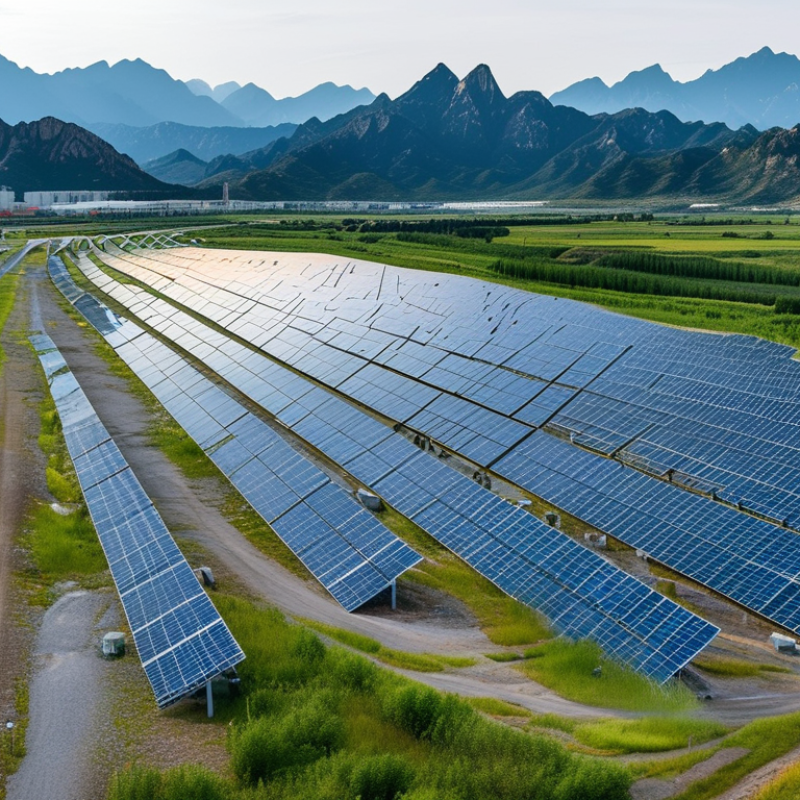
Energy storage systems in China are rapidly evolving. As the world's largest market for these technologies, China showcased a 46% increase in global lithium battery production in 2022, highlighting its critical role in energy transition. Reports indicate that China's energy storage capacity reached 40 GWh by the end of 2022, making it a leader in this field. The growth reflects both government support and increasing demand for renewable energy integration.
Chinese companies are investing heavily in research and development. They aim to improve efficiency and reduce costs. However, challenges remain, such as concerns over safety and environmental impact. Current lithium-ion batteries face scrutiny due to resource extraction practices. In fact, 30% of surveyed firms report difficulties in consistently sourcing sustainable materials. Adapting to these issues is essential for the industry's credibility.
International buyers should look beyond capacity numbers. Evaluating the technology's lifecycle and environmental footprint is crucial. While China leads in production, perceptions about quality and reliability vary. Understanding these dynamics offers valuable insights for global buyers seeking sustainable energy solutions.
China is at the forefront of the global energy storage market. Key players in this landscape have brought diverse technologies and innovative solutions. Their focus is primarily on improving efficiency and scalability. These companies are pushing the boundaries of lithium-ion and alternative energy storage systems. They aim to enhance cost-effectiveness while addressing energy demands.
Several factors contribute to the growth of these players. Investment in research and development is a priority. This has led to advancements in battery technology and energy management systems. However, challenges persist. Regulatory frameworks can be complex, often hindering rapid innovation. Additionally, the supply chain for raw materials can be unpredictable.
The competition among these companies is intense. Many strive to be leaders in the field, yet not all make the cut. Some lag in adopting new technologies or addressing environmental concerns. These shortcomings highlight the need for constant improvement and adaptation. The market is evolving, and only those who embrace change will thrive in this dynamic environment.
China's advancements in energy storage technology are remarkable. The country has become a leader in this sector, thanks to innovative solutions and manufacturing capabilities. According to the China Energy Storage Alliance, the market for energy storage in China is expected to reach approximately $22 billion by 2025. This growth is driven by the adoption of renewable energy sources and the need for efficient grid management.
Recent innovations include lithium-ion batteries and flow battery technologies. Lithium-ion batteries account for around 90% of the global energy storage market. Flow batteries offer distinct advantages for large-scale energy storage, providing longer lifespans and enhanced safety. Yet, these technologies also face challenges. The recycling of used batteries remains a significant concern, and cost reductions are needed for broader adoption.
Moreover, China has made strides in solid-state battery technology. This new approach offers higher energy densities and safer operations. However, it is still in the development phase. Industry experts suggest that achieving commercial viability could take several years. Overall, while China leads in technological innovations for energy storage, certain obstacles still require attention.
China has become a vital hub for energy storage solutions, offering a range of options that appeal to global buyers. A report by the International Energy Agency reveals that energy storage capacity is expected to grow significantly, reaching 1,200 gigawatt-hours by 2040. This makes sourcing from China increasingly attractive for companies seeking innovative technologies and cost-effective solutions.
The benefits of sourcing energy storage from China extend beyond just price. Chinese manufacturers have invested heavily in research and development, leading to the emergence of advanced battery technologies. Recent data shows that lithium-ion batteries, a key component in energy storage, account for over 60% of the global market. As a result, buyers can access high-performance products that meet their specific needs. Additionally, with China's commitment to sustainable energy initiatives, buyers align with a global shift towards renewable energy sources.
However, there are challenges to consider. Quality control remains a critical concern. While many reputable manufacturers exist, the landscape includes less reliable options. Buyers must conduct thorough due diligence to ensure they partner with trustworthy suppliers. Transparency in production processes and ethical sourcing practices is essential. This attention to detail can prevent issues down the line, ensuring that companies benefit from their investments in energy storage solutions.
Navigating the global energy storage market involves unique challenges for buyers. As China becomes a dominant player, understanding local dynamics is critical. According to a report from the International Energy Agency (IEA), global investment in energy storage systems surged to $5 billion in 2022. However, buyers must consider fluctuating prices and varying quality standards.
Quality assurance remains a significant concern. A 2023 industry analysis found that nearly 30% of energy storage systems in the market do not meet specified performance standards. This discrepancy can lead to higher operational costs and unexpected failures. Buyers should prioritize suppliers with proven track records and robust certifications to mitigate risks.
Moreover, language barriers and cultural differences can complicate negotiations. Many global buyers may find it challenging to navigate contracts and technical specifications. A 2021 report revealed that nearly 40% of international agreements face delays due to miscommunication. Buyers must invest time in understanding local business practices and regulatory frameworks to succeed in this competitive landscape.
: Energy storage systems in China are rapidly evolving, with a 46% increase in lithium battery production in 2022.
By the end of 2022, China reached an energy storage capacity of 40 GWh, making it a leader.
Companies heavily invest in research and development to improve efficiency and reduce costs.
They face safety concerns, environmental impact, and difficulties sourcing sustainable materials.
Buyers should assess the lifecycle and environmental footprint, not just capacity numbers.
While China leads in production, perceptions about quality and reliability differ among buyers.
Investment in R&D drives advancements, but complex regulatory frameworks and supply chain issues persist.
Many seek leadership but must continually innovate and address environmental concerns to avoid lagging.
Companies that resist change may struggle, highlighting the importance of constant improvement.
Environmental concerns push for better practices, yet some companies fail to adequately address these issues.
China has emerged as a pivotal player in the global energy storage system market, offering a range of innovative solutions that appeal to international buyers. The country's energy storage systems are characterized by advanced technological innovations, driving efficiency and sustainability in energy management. Key players in this market leverage their expertise to develop cutting-edge products that meet diverse energy needs and optimize performance.
Sourcing energy storage systems from China presents numerous benefits, including cost-effectiveness and access to state-of-the-art technologies. However, global buyers must navigate various challenges, such as regulatory differences and supply chain complexities. Addressing these considerations is essential for maximizing the advantages of integrating Chinese energy storage solutions into their operations, ultimately contributing to a more sustainable energy future worldwide.

MH Energy