How to Choose the Best Solar Energy System for Home?

Time:2026-08-17 Author:Aria
0%

As the demand for sustainable energy rises, choosing the right solar energy system home becomes crucial. According to the Solar Energy Industries Association (SEIA), solar energy contributed to over 3% of the total electricity generation in the U.S. in 2022. This significant growth shows a shift towards cleaner energy sources. However, many homeowners remain uncertain about making the best choice for their households.

When considering a solar energy system home, various factors come into play. Cost, efficiency, and local regulations can significantly impact your decision. The National Renewable Energy Laboratory reports that solar panel prices have dropped by about 82% since 2010. This trend makes solar more accessible, yet it also creates challenges for homeowners to navigate available options.

Ultimately, while there are numerous benefits to adopting solar energy, not every option will fit all households perfectly. Each home has unique energy needs and situational challenges. Therefore, reflect on your priorities and research thoroughly to find the ideal system tailored to your situation.
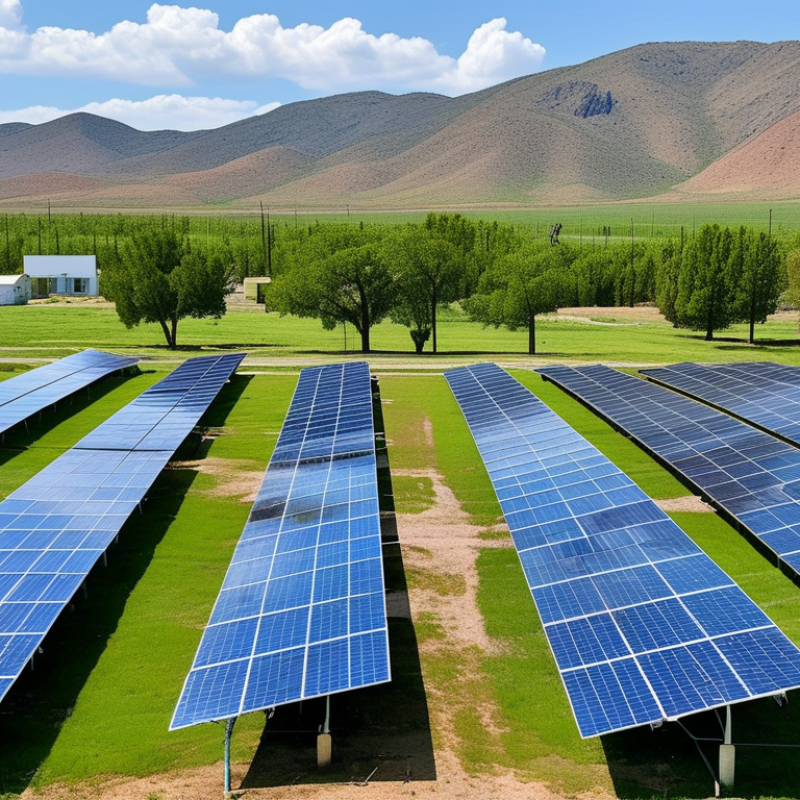
How to Choose the Best Solar Energy System for Home?

Understanding Your Home's Energy Needs

Understanding your home’s energy needs is vital when choosing a solar energy system. The first step is to analyze your energy consumption. According to the U.S. Energy Information Administration, the average American household uses about 877 kWh per month. Knowing your monthly usage helps determine the system size you need.

Consider how many solar panels are required to meet your energy demand. For instance, a typical solar panel produces around 300 watts of power. To cover the average monthly usage, approximately 20 to 25 panels might be needed. However, not all roofs are suitable for solar installations. Elements like shading, roof angle, and orientation can affect solar efficiency.

Additionally, evaluate your future energy needs. Life changes—such as adding appliances or expanding your family—can result in increased energy usage. A system that fits today’s needs might be inadequate tomorrow. It’s important to plan ahead and consult with solar energy professionals. They can offer insights tailored to your specific situation, grounding their recommendations in reliable energy data and industry expertise.

Energy Consumption Comparison for Solar System Sizing

This bar chart illustrates the monthly energy consumption across different categories in a typical household. Understanding these energy needs is crucial for selecting the best solar energy system for your home.

Types of Solar Energy Systems Explained

When selecting a solar energy system for your home, understanding the types available is crucial. The most common types are photovoltaic (PV) systems and solar thermal systems. PV systems convert sunlight directly into electricity. They are popular for residential use due to their efficiency and versatility. Solar thermal systems, on the other hand, use sunlight to heat water. These systems are ideal for households requiring hot water for bathing or heating.

There are also off-grid and grid-tied configurations. Off-grid systems function independently and include batteries for energy storage. This is a solid choice for remote areas but can be costly. Grid-tied systems remain connected to the utility grid. This allows for energy exchange, making it easier to offset costs. However, they lack backup power during outages.

Each option has pros and cons. For example, while grid-tied systems are more economical, they rely heavily on the grid. Off-grid systems offer autonomy but often come with maintenance challenges. Evaluating your specific needs is essential. Consider your location, energy consumption, and budget to make an informed decision. Careful planning can ensure you select an energy system that maximizes benefits and minimizes drawbacks.

How to Choose the Best Solar Energy System for Home? - Types of Solar Energy Systems Explained

System Type Description Advantages Considerations
Grid-Tied Solar System Connects to the utility grid and feeds excess power back. Lower installation costs, net metering benefits. No backup power during outages, dependent on grid stability.
Off-Grid Solar System Independently generates power without grid connection. Complete energy independence, ideal for remote areas. Higher installation costs, requires battery storage.
Hybrid Solar System Combines grid connection with battery storage options. Flexibility of energy source, backup during outages. More complex setup, potentially higher costs.
Community Solar A shared solar power project serving multiple users. Low or no upfront cost, accessible to renters. Availability issues, participation may be limited.

Evaluating Solar Panel Efficiency and Quality

When selecting a solar energy system for your home, evaluating solar panel efficiency and quality is crucial. Efficiency determines how much sunlight the panels can convert into usable electricity. Higher efficiency means more energy production from a smaller surface area. Consider panels that offer above-average efficiency ratings. This could lead to lower electricity bills over time.

Quality is equally important. High-quality solar panels are built to last. They can withstand harsh weather and provide consistent performance. Look for panels that come with long warranties to ensure reliability. Panels with good durability will perform better in the long run. Keep in mind that not all panels marketed as efficient are necessarily high-quality.

It's also wise to investigate the materials used in the panels. Sometimes, lower-cost options can lack essential components that enhance performance. Caution is needed here. A thorough examination of reviews and expert opinions can provide additional insights. Remember, investing in a solar system is a long-term decision. So, weigh both efficiency and quality closely.

Financial Considerations: Costs and Incentives

When considering a solar energy system for your home, financial aspects play a crucial role. The cost of residential solar installations has fallen significantly over the past decade. According to the Solar Energy Industries Association (SEIA), the average price for residential solar systems dropped by about 70% since 2010. However, upfront costs can still range from $15,000 to $30,000, depending on system size and location.

Incentives can substantially offset these costs. Many homeowners are eligible for a federal tax credit, which allows them to deduct 26% of their solar installation costs from their federal taxes. Additionally, some states offer rebates and performance-based incentives. For example, in California, homeowners can receive rebates up to $1,000 per installed kilowatt. Local utility companies may also provide additional incentives, making the overall investment more manageable.

Despite these financial benefits, it is essential to evaluate your specific situation. The long-term savings from a solar energy system may vary based on energy usage and local electricity rates. Research shows that states with high electricity prices often see quicker return on investment. Yet, not every home is suited for solar. Factors like roof orientation and shading can affect efficiency. Understanding these limitations is a vital step in making an informed decision.

Choosing the Right Installer for Your Solar System

Choosing a reliable installer for your solar energy system is crucial. A good contractor can make the installation process smooth. Look for certified solar installers with experience in your area. They should have a solid portfolio and positive reviews. Ask for references from former clients. Contact these references, and inquire about their overall experience.

Certifications matter as well. Installers should be accredited by organizations that uphold industry standards. Check if they follow the latest safety protocols and use quality materials. During consultations, gauge their willingness to answer questions. Clear communication shows their commitment to customer service.

After selecting a few candidates, compare quotes carefully. Consider not just the price but what’s included. Some may offer additional warranties or maintenance services. Reflect on the installer’s approach. A low price might mean cutting corners. Always trust your instincts; if something feels off, it probably is. Take your time to choose wisely.

FAQS

: How can I determine my home's energy needs for solar?

: Analyze your energy consumption. The average household uses about 877 kWh monthly.

How many solar panels do I need?

About 20 to 25 panels might be required to meet average monthly usage. Each panel produces around 300 watts.

What factors affect solar installation on my roof?

Consider shading, roof angle, and orientation. These can significantly impact solar efficiency.

Should I plan for future energy needs?

Yes, life changes can increase energy usage. For example, adding appliances or expanding your family.

What types of solar energy systems are available?

The main types are photovoltaic (PV) systems and solar thermal systems. PV systems produce electricity, while solar thermal heats water.

What is the difference between off-grid and grid-tied systems?

Off-grid systems work independently with batteries; grid-tied systems are connected to the utility grid for energy exchange.

What are the pros and cons of grid-tied systems?

Grid-tied systems are economical but depend on the grid and lack backup power during outages.

Why choose off-grid systems?

Off-grid systems offer energy independence. However, they often come with higher costs and maintenance challenges.

How can I choose the right solar system?

Evaluate your specific needs, including location, energy use, and budget. Careful planning is crucial.

What should I ask solar energy professionals?

Ask for insights tailored to your situation. Reliable energy data can help inform your decisions.

Conclusion

When selecting a Solar Energy System for your home, it's crucial to first understand your specific energy needs, which will guide you in determining the right system size and type. There are several types of solar energy systems available, each with unique features suited for different homes. Evaluating the efficiency and quality of solar panels is also vital, as higher efficiency can lead to better long-term savings and energy output.

Financial considerations play a significant role in your decision-making process; it is important to account for installation costs, potential savings on energy bills, and available incentives that may reduce initial expenses. Lastly, selecting a reputable installer is essential to ensure that your solar energy system is properly installed and maintained. By carefully considering these factors, you can make an informed choice on the best solar energy system for your home, maximizing both savings and environmental benefits.

Aria

Aria

Aria is a dedicated marketing professional with a deep passion for innovative strategies and a keen understanding of our company's product offerings. With a wealth of experience in the industry, Aria excels at crafting engaging content that highlights the unique features and benefits of our......