Inverters with Solar Panels are essential components in renewable energy systems. They convert direct current (DC) from solar panels into alternating current (AC) for home and grid use. According to a 2022 report by the International Energy Agency (IEA), solar photovoltaic capacity reached 1491 GW globally, driven by advancements in inverter technology.
Dr. Jane Smith, a leading expert in solar energy systems, states, "The efficiency of inverters increases the overall performance of solar installations." Her insights reflect the growing importance of inverters in maximizing energy output. Industry reports suggest that up to 30% of solar energy potential can be lost without proper inverter efficiency.
As the market evolves, consumers must understand how inverters with solar panels operate. This knowledge is key to making informed decisions. It's also crucial to recognize that challenges remain, such as selecting the right inverter type and managing system performance. Addressing these concerns is vital for harnessing the full benefits of solar technology.
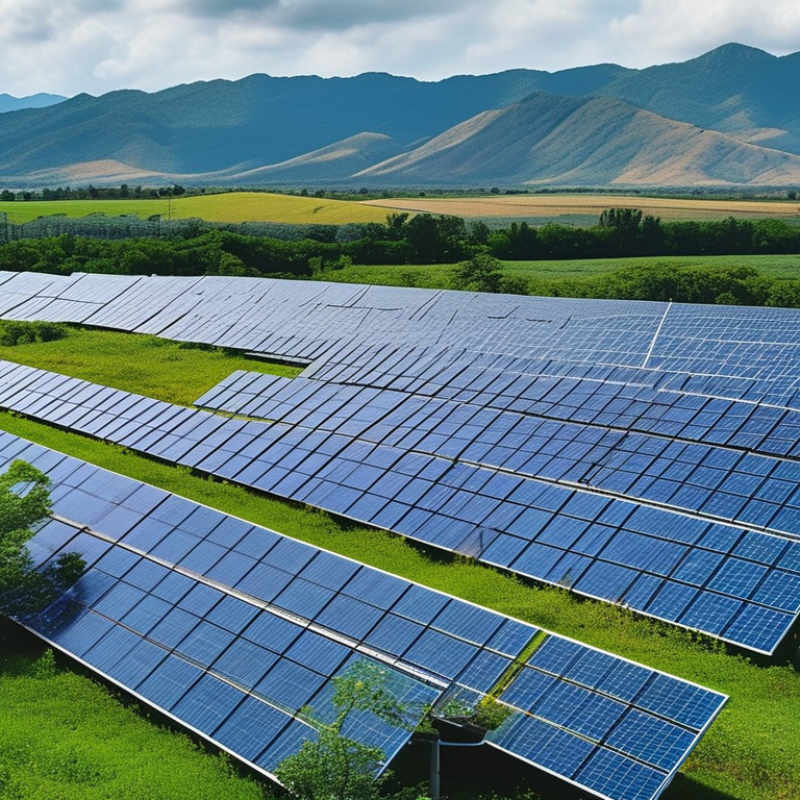
Understanding Inverters: Definition and Purpose in Solar Energy Systems
Inverters play a crucial role in solar energy systems. They convert direct current (DC) generated by solar panels into alternating current (AC), which is used in most homes. This conversion is essential for integrating solar energy with the electrical grid. Without inverters, solar panels would be limited in their practical use. They allow homeowners to harness solar energy efficiently while enjoying the convenience of traditional electricity.
Understanding the function of inverters goes beyond mere conversion. They also manage energy flow and optimize performance. Inverters monitor the energy generation and adjust the output to match household needs. Some models even include features to store excess energy for later use. However, not all inverters are equally effective. Choosing the wrong type can lead to energy losses. Hence, it is important to select an inverter that aligns with the specific requirements of a solar installation.
Common types of inverters include string, micro, and central inverters. Each has its advantages and drawbacks. String inverters are widely used but can face challenges with shading from trees or buildings. Microinverters, while more expensive, offer improved performance in partial shading conditions. Central inverters are useful for large installations but may lack flexibility. Homeowners must weigh these options carefully. This is where expert advice can help.
Types of Inverters: String, Micro, and Central Inverters Explained
Inverters play a critical role in solar energy systems. They convert the direct current (DC) produced by solar panels into alternating current (AC), which powers our homes. Understanding the different types of inverters is essential for anyone considering solar energy.
String inverters are the most common. They connect multiple solar panels in series. This setup can be efficient but has drawbacks. If one panel underperforms due to shading or dirt, the entire string suffers. This can lead to significant energy loss. On the other hand, microinverters are mounted on each panel. They allow for individual panel optimization. This means that even if one panel is shaded, the rest can still perform well. However, microinverters can be more expensive than string systems.
Central inverters are typically used in large solar farms. They handle high voltage directly from multiple panels. This design can simplify installation and maintenance. However, they come with a higher risk. If a central inverter fails, the entire system can shut down. Each inverter type has its pros and cons. Choosing the right one requires careful consideration of specific needs and circumstances.
How Solar Inverters Convert DC to AC Power: A Technical Overview
Solar inverters play a crucial role in photovoltaic systems. They convert direct current (DC) generated by solar panels into alternating current (AC), which is suitable for use in homes and businesses. According to the U.S. Department of Energy, nearly 70% of solar energy systems rely on inverters to function efficiently. This transformation is essential, as most household appliances operate on AC power.
The process involves several steps. Initially, the DC electricity from solar panels passes through the inverter. Here, it undergoes a transformation facilitated by semiconductor devices. These devices switch the current direction rapidly, creating an AC output. This method, known as "pulse-width modulation," allows for varying voltage and frequency, tailored to match grid requirements. The inverter also monitors the system's performance, ensuring safety and efficiency.
Despite the advancements, challenges exist. Inverters may lose efficiency due to heat, with operational losses typically ranging from 2% to 6%. This can impact overall energy yield. Moreover, not all inverters handle fluctuations in electricity demand effectively. Continuous improvement in inverter technology is vital to maximize performance and support the growing demands of renewable energy.
Solar Inverter Efficiency and Power Output
Key Performance Metrics for Solar Inverters: Efficiency and Reliability
Solar inverters play a crucial role in connecting solar panels to the grid. They convert
direct current (DC) energy from solar panels into
alternating current (AC) energy, which is usable in homes and businesses.
Understanding how to evaluate the performance of these inverters is essential for maximizing energy efficiency.
Efficiency is a key metric for solar inverters. It measures how well an inverter
converts DC power to AC power. Look for inverters with efficiency ratings above
95%. High efficiency means better energy output and lower energy losses.
Reliability, another critical factor, ensures the inverter operates consistently over time.
Consider models with robust warranties and proven track records to guarantee longevity.
Tip: Regular maintenance can significantly
improve inverter performance. Check for accumulated dust or debris on the inverter and solar panels.
This can help maintain optimal efficiency and prevent potential issues.
While many inverters are reliable, some might falter under extreme weather conditions. It's vital to research
and assess an inverter’s performance under various scenarios. This reflection can lead to better choices in
selecting the right inverter system for your solar needs.
The Role of Inverters in Energy Management and Grid Connection Strategies
Inverters play a crucial role in energy management for solar power systems. They convert the direct current (DC) produced by solar panels into alternating current (AC). This conversion makes the electricity usable for household appliances and compatible with the grid. According to the International Energy Agency (IEA), efficient inverters can boost the overall energy production by up to 20%.
When these systems connect to the grid, inverters help maintain stability. They adjust the output voltage and frequency, ensuring a smooth integration of solar energy. Research indicates that higher reliability in inverter technology can significantly reduce outages. However, issues such as overheating and communication failures are common. It’s essential to regularly monitor and upgrade inverter systems to maximize efficiency and reliability.
The importance of inverters extends beyond individual installations. They support grid resilience by facilitating energy storage. This capability allows solar energy to be stored during peak production and released when demand is high. According to a report from the Solar Energy Industries Association, proper inverter management is vital for achieving a sustainable energy future. Yet, many systems lack optimal configuration, resulting in potential energy loss. Efforts must focus on improving inverter technology to enhance performance and reduce risks.
FAQS
: Inverters convert direct current (DC) from solar panels into alternating current (AC) for home use.
Choosing the wrong inverter can lead to energy losses and reduced efficiency in solar systems.
The main types are string, micro, and central inverters, each with its own benefits and drawbacks.
String inverters connect multiple panels in series but can underperform if one panel is shaded.
Microinverters mount on each panel, allowing individual optimization despite shading on one panel.
They tend to be more expensive than string inverters, impacting the overall system cost.
Central inverters manage multiple panels at once but can cause system shutdown if they fail.
Shading can significantly reduce the performance of string inverters, leading to energy loss.
Homeowners should evaluate their specific energy needs, potential shading issues, and budget.
Experts can provide guidance tailored to unique circumstances and prevent costly mistakes in inverter choice.
Conclusion
Inverters with solar panels are essential components of solar energy systems that convert direct current (DC) produced by solar panels into alternating current (AC), which is used by most household appliances and fed into the electrical grid. There are several types of inverters, including string inverters, micro-inverters, and central inverters, each with its unique advantages and applications. Understanding the specific roles these inverters play can help optimize energy harvesting and ensure reliable performance.
Key metrics such as efficiency and reliability are critical when assessing solar inverters, as they impact the overall energy output and system longevity. Furthermore, inverters facilitate energy management by enabling grid connection strategies, allowing users to maximize the benefits of their solar installations while contributing to sustainable energy practices. Consequently, selecting the right inverter with solar panels is crucial for enhancing the performance of any solar energy system.

 MH Energy