Top 10 Solar Energy Suppliers for Global Buyers

Time:2026-11-05 Author:Amelia
0%

Choosing a supplier is more than comparing panel prices. Global buyers must weigh product quality, delivery reliability, and support after installation. Solar Energy projects may involve rooftop modules, utility-scale arrays, inverters, batteries, or complete systems. The right partner depends on the project’s location, budget, grid conditions, and expected operating life. That matters.

This guide introduces ten suppliers with international reach and examines what buyers should verify before requesting a quote. It considers product ranges, manufacturing capabilities, warranty terms, certifications, technical documentation, and regional service coverage. A polished brochure is not proof of reliable performance. Ask for current datasheets, written warranty details, and references from projects with similar conditions. Details count.

Availability and shipping costs can change, while certification requirements vary by market. A company’s global presence does not guarantee local support or suitable delivery timelines. Buyers should confirm who handles installation guidance, replacement parts, and warranty claims in their region. Rankings can simplify a crowded market, but they cannot replace project-specific checks. Some information may also become outdated. Treat this list as a starting point, compare offers on consistent specifications, and consult qualified professionals before making a major purchasing decision.
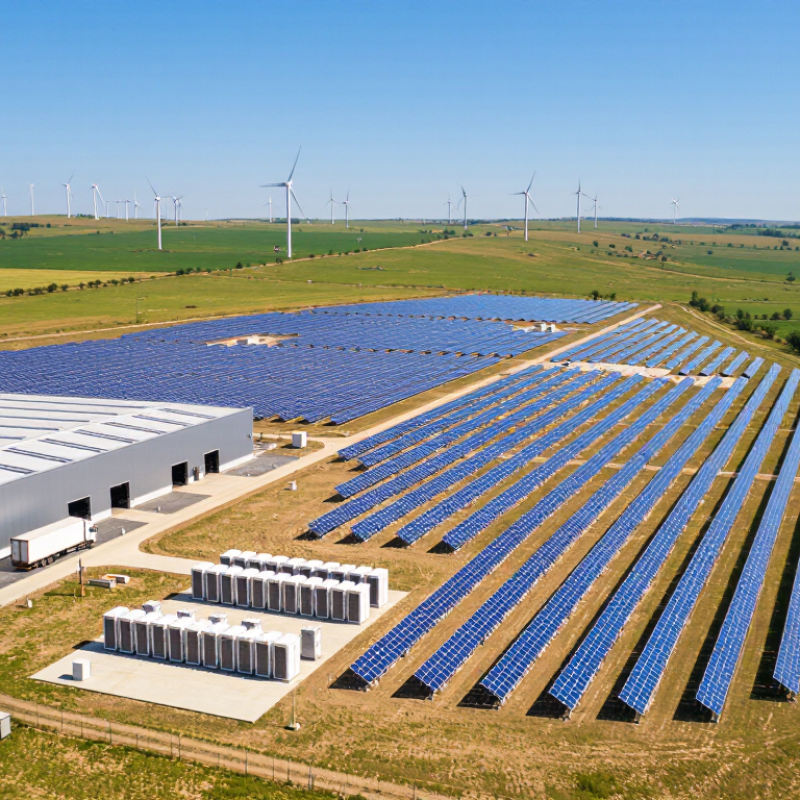
Top 10 Solar Energy Suppliers for Global Buyers

Understanding the Global Solar Energy Supply Market

Top 10 Solar Energy Suppliers for Global Buyers
Understanding the Global Solar Energy Supply Market

The solar supply market is expanding quickly, but its scale can obscure practical differences between suppliers. IRENA reported that global solar capacity grew by about 346 GW in 2023. In the same year, newly installed utility-scale solar power averaged USD 0.044 per kilowatt-hour, 56% below the weighted cost of fossil-fuel alternatives. These figures show why buyers are looking closely at solar, while also reminding us that project economics depend on more than panel prices.

Manufacturing remains geographically concentrated. The IEA’s 2022 report on solar PV supply chains found that China held more than 80% of global manufacturing capacity across key production stages. This concentration can support scale, yet buyers should check delivery schedules, component traceability, warranty terms, and after-sales support. A low quotation may not reflect shipping delays or replacement costs. I have seen procurement comparisons become misleading when these details were left out.

Tips: Request a bill of materials and factory-quality records. Compare total delivered cost, not just module price. Ask how the supplier handles late shipments and warranty claims. Small details matter.

Top 10 Solar Energy Suppliers for Global Buyers

Understanding the Global Solar Energy Supply Market

China held a dominant share of global solar PV manufacturing capacity across every major supply-chain stage in 2021, particularly in ingots and wafers. Buyers assessing suppliers can use this concentration as context when evaluating sourcing diversity and supply-chain resilience. Source: International Energy Agency, Solar PV Global Supply Chains (2022).

How to Evaluate Solar Suppliers for International Projects

A supplier’s product sheet is only a starting point. For an international project, compare the exact module model, cell type, power tolerance, and test reports—not just headline efficiency. Ask whether the reports match the production unit you will receive. Small mismatch, big headache.

Check delivery capability with evidence. Request a recent production schedule, packaging photos, and a sample shipping plan showing pallet dimensions and moisture protection. Confirm how serial numbers link to batch records, and how damaged cartons or delayed sailings are handled. A polished factory tour helps, but it cannot replace independent inspection or customer references from similar climates.

Technical fit matters after shipment, too. Compare warranty terms, claim procedures, spare-part availability, and response times across time zones. Ask for compatibility details with the planned inverter and mounting system, then have an engineer review them. Check certifications required by the destination market and verify them with the issuing body. Price deserves scrutiny, but the lowest quote may exclude testing, export packing, or support. I would still leave room for uncertainty: paperwork can look complete while a delivery process remains untested. A pilot order can reveal gaps before a full container is committed.

Profiles of Ten Solar Energy Suppliers Serving Global Buyers

Global buyers rarely need the same solar supplier. These ten profiles describe distinct supplier types, not named companies or ranked recommendations. A utility-scale module exporter handles container volumes and standardized documentation. A regional panel maker may offer shorter shipping routes and modules tested for local heat or humidity. An inverter specialist focuses on conversion efficiency, grid controls, and replacement parts. Ask how quickly technical support can reach your project site.

A battery integrator matches storage units with inverters and monitoring software. Compatibility needs written confirmation. A mounting-system maker supplies roof rails or ground structures, with materials suited to wind and corrosion risks. An engineering, procurement, and construction supplier coordinates design, equipment, and installation; check which tasks it performs directly. An off-grid kit supplier packages panels, batteries, and charge controllers for remote sites. Kit sizing depends on real daily loads, not optimistic estimates. A regional distributor keeps common components closer to buyers, but stock can change quickly.

A solar-cell and wafer supplier serves manufacturers seeking upstream components and traceable specifications. A tracker supplier designs moving structures for large sites, where terrain and maintenance access matter. A project-focused equipment supplier may bundle modules, inverters, and monitoring tools from multiple factories. That can simplify purchasing, yet obscure responsibility when parts fail. Review test records, warranty terms, delivery schedules, and sample serial-number documentation. Paperwork can look reassuring; it still needs checking. Ask for references from comparable climates and project sizes, and verify that quoted specifications match the goods shipped.

Comparing Supplier Products, Markets, and Support Services

For global buyers, supplier comparisons should start with product fit, not headline price. The International Renewable Energy Agency’s Renewable Capacity Statistics 2025 reports that solar added 452 GW in 2024, out of 585 GW of new renewable capacity. That scale makes careful screening essential. Compare module types, power ratings, temperature performance, and degradation warranties. Then check whether inverters, mounting hardware, and monitoring systems work together. A datasheet is only a starting point. Ask for independent test reports and clear warranty procedures.

Markets also shape the real value of an offer. A supplier serving hot, dusty regions may provide useful guidance on cleaning access and heat-related output losses. Buyers in remote areas should check spare-parts availability, delivery lead times, and whether technical support operates in their time zone. The International Energy Agency’s Renewables 2024 report describes rapid solar growth and continuing supply-chain concentration, making sourcing resilience worth examining. Request references from projects with similar weather and grid conditions. Compare response times, not just service promises. A low quote can conceal costly delays. I may be giving service too much weight, but one missing inverter can stall a whole installation. Look for transparent product documentation, realistic shipping plans, and support that remains reachable after commissioning.

Key Considerations for Selecting a Solar Energy Supplier

A solar supplier should be assessed on more than the price per panel. Compare product specifications, expected output, degradation rates, and warranty terms side by side. Check what the warranty actually covers, including labor and replacement shipping. Small print matters. Ask for current test reports and confirm that certifications apply to the exact products being quoted. A certificate for a different model is not enough. Buyers should also examine production capacity and delivery schedules. A project delayed by missing inverters or mounting hardware can lose valuable installation time.

After-sales support is just as important as equipment quality. Ask how technical questions are handled, how quickly replacement parts can be supplied, and whether support is available in the project’s time zone. Request references from buyers with similar project sizes and climates. Then verify those references directly, rather than relying only on polished case studies. Logistics deserve close review too: packaging, shipment tracking, and procedures for damaged goods should be clear before payment. A low bid can hide gaps in service or unclear responsibilities. Even a careful checklist will miss something; buyers should leave room to revisit assumptions as project details change.

Top 10 Solar Energy Suppliers for Global Buyers - Key Considerations for Selecting a Solar Energy Supplier

No. Selection dimension What global buyers should verify Useful evidence or benchmark
1 Product certification Confirm that the exact module model has certifications accepted in the destination market. Check applicable test reports, including IEC 61215 for design qualification and IEC 61730 for module safety, and confirm local requirements.
2 Power and efficiency Compare rated output and module efficiency for products of similar size and technology. Review the model-specific datasheet and independent test results; compare ratings under standard test conditions rather than relying on marketing claims.
3 Product and performance warranties Read the separate product and power-output warranty terms, including claim procedures and exclusions. Confirm the stated warranty period, covered defects, warranted output curve, remedies, and the legal entity responsible for claims.
4 Degradation and durability Assess expected output loss over time and suitability for the project’s climate and installation conditions. Compare the model’s annual degradation warranty and test documentation for relevant conditions such as heat, humidity, UV exposure, and mechanical load.
5 Manufacturing quality Review factory quality controls, traceability, and the process for handling defects or recalls. Request current quality-management certificates, audit information, batch traceability procedures, and documented inspection criteria.
6 Supply capacity and lead time Check whether production capacity, allocation, and delivery dates match the project schedule. Obtain a written production and shipment schedule, order confirmation, and clear provisions for delays or changes in availability.
7 Shipping and logistics Evaluate packaging, transport route, delivery responsibility, import duties, and damage handling. Specify the delivery term under the agreed Incoterms® rule, destination, insurance responsibility, and inspection process for damaged goods.
8 Local service and warranty support Determine how technical questions, replacement requests, and warranty claims will be handled in the project region. Verify support contacts, response process, spare-parts arrangements, and the location and financial standing of the warranty provider.
9 Commercial terms and total cost Compare the full delivered cost and contract protections, not only the quoted module price. Account for freight, insurance, taxes, duties, payment terms, currency exposure, cancellation terms, and any applicable trade measures.
10 Responsible sourcing and compliance Assess supply-chain transparency and compliance with the buyer’s applicable legal and sustainability requirements. Request traceability and due-diligence documentation, and check current import, labor, environmental, and product-compliance rules for the destination market.

Use these criteria to compare qualified suppliers; confirm specifications, certificates, warranties, and regulatory requirements directly for each product, project, and destination market.

FAQS

What should I compare beyond a solar panel’s headline efficiency?

Compare the exact model, cell type, power tolerance, temperature performance, and degradation warranty. Check independent test reports. Make sure they match the units being quoted.

How can I check whether a supplier can meet the delivery schedule?

Request a recent production schedule, packaging photos, and a sample shipping plan. Check pallet sizes and moisture protection. Ask how delays are handled.

Why do batch records and serial numbers matter?

They help connect delivered panels to production records. Ask how each serial number is tracked. It is a small detail, but useful when something goes wrong.

What should I confirm about warranties and support?

Review claim steps, covered costs, replacement shipping, and spare-part availability. Ask how quickly support replies across time zones. The fine print matters.

How can I confirm a product’s certifications are suitable?

Check the requirements for the destination market. Verify that certificates apply to the exact model with the issuing body. Similar paperwork may not be enough.

What logistics details should be agreed on before payment?

Clarify shipment tracking, damaged-carton procedures, and responsibility for missing equipment. A delayed inverter can hold up installation. That is easy to underestimate.

How do I assess whether equipment will work together?

Share the planned inverter and mounting system details with the supplier. Have an engineer review compatibility. A datasheet alone may leave gaps.

Is a low quote always the best choice?

Not necessarily. Testing, export packing, or after-sales support may be excluded. I might be overvaluing service, but one missing part can stall a project.

Can references and factory visits prove a supplier is reliable?

They offer useful clues, especially references from similar climates and grid conditions. Verify references directly and consider an independent inspection. A polished tour proves little.

Conclusion

This article explores the global Solar Energy supply market and the factors that shape international purchasing decisions. It explains how buyers can assess suppliers by examining product quality, manufacturing capacity, certifications, delivery reliability, technical expertise, and experience supporting projects in different regions. The article also profiles ten suppliers serving global customers, focusing on their general offerings and capabilities without relying on brand promotion.

A practical comparison of products, target markets, and support services helps readers understand how supplier options may differ. The article concludes with key considerations for choosing a suitable partner, including project requirements, budget, communication, after-sales assistance, and long-term service needs. By using a clear evaluation process, international buyers can make informed decisions and identify suppliers whose capabilities align with their project goals.


Amelia

Amelia

Amelia is a seasoned marketing professional with a wealth of expertise in our company’s core offerings. With an unwavering passion for driving growth and innovation, she plays a pivotal role in shaping our marketing strategies and enhancing brand visibility. A key aspect of her responsibilities......