As the demand for sustainable living increases, Solar Energy for Home has emerged as a vital solution for many homeowners in China. With rising electricity costs and growing environmental concerns, solar energy becomes an appealing option. The benefits are not limited to the environment; they extend to financial savings and energy independence.
However, the journey to harnessing solar power can be complex. Home buyers must navigate various options and technologies available in the market. Choosing the right solar solution requires careful consideration of space, energy needs, and local regulations. There is an undeniable need for reliable information to make informed decisions in this evolving landscape.
In this guide, we delve into the top 10 solar energy solutions tailored for home buyers in China. You'll discover both established technologies and innovative approaches. While solar energy offers tremendous potential, it's crucial to approach it realistically. Each solution comes with unique challenges and benefits that must be weighed carefully.
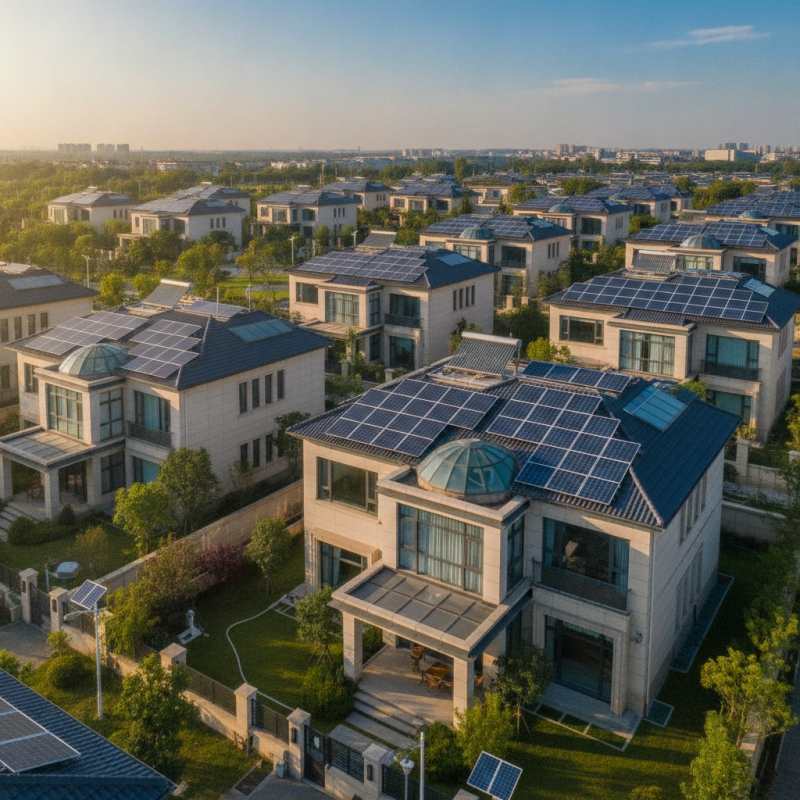
Top 10 Solar Energy Solutions for Home Buyers in China
As home buyers in China increasingly seek sustainable energy options, solar energy solutions are gaining traction. According to the China Photovoltaic Industry Association, the country's solar market is set to grow by 20% annually. This growth reflects a nationwide shift towards energy independence and green living.
Home buyers should consider installing solar panels to reduce electricity bills. A typical solar panel system could save homeowners between 30-50% on their energy costs. Moreover, with government incentives, these solutions are becoming more affordable. Yet, installation quality varies widely among providers, which is a crucial factor. Homeowners should research and compare services to find reliable options.
Battery storage systems are also worth exploring. They enable users to store excess energy for later use, enhancing self-sufficiency. However, the upfront costs can be significant. Some studies show that while prices are declining, the initial investment remains a challenge for many households. Being well-informed about these aspects can help buyers make smarter decisions in their energy journey.
Overview of Solar Energy Options Available to Home Buyers
As solar energy gains popularity in China, home buyers have numerous options to consider. From rooftop panels to solar water heaters, the choices cater to various needs. The right system can significantly decrease electricity bills and promote sustainability.
Consider installing rooftop solar panels. They harness sunlight effectively, converting it into electricity. This option suits homes with adequate roof space and sun exposure. However, initial installation costs can be high. Assess your budget versus long-term savings when making this choice.
Another option is solar water heating systems. These use sunlight to heat water for daily use. They are efficient for homes with significant hot water needs. Although less expensive than full solar panels, they may require sunny conditions throughout the year.
Here are some tips:
- Evaluate system efficiency according to your home’s energy needs.
- Look into local incentives. Some regions offer subsidies for solar installations.
- Talk to previous buyers or installers for insights. Real-world experiences can shed light on the pros and cons.
These solutions can provide numerous benefits, but ensure to
factor in your unique situation and energy consumption patterns. Making an informed decision today will impact your home's energy efficiency for years to come.
Benefits of Solar Energy for Residential Properties in China
As solar energy continues to grow in popularity, many home buyers in China are considering its benefits for residential properties. According to recent industry reports, the Chinese solar market has expanded significantly, with an average annual growth rate of over 20% in the past decade. Homeowners can save significantly on energy costs, with estimates suggesting savings of up to 30% on electricity bills annually.
Investing in solar panels increases property value. A study revealed that homes with solar installations sold for an average of 4% more than similar homes without. Additionally, solar energy enhances energy independence, particularly valuable in regions prone to power outages. However, upfront costs can be a barrier. While the return on investment is clear, potential buyers should conduct thorough research on installation prices and regional incentives.
Tip: Always consult with local energy experts to understand available subsidies or tax breaks. This can significantly impact your overall investment.
Some homeowners may find their solar systems underperforming due to shading from nearby trees or buildings. Regular maintenance is crucial for optimal efficiency. Be mindful of the technology you choose, as not all systems fit every home. Take the time to evaluate your unique property needs for the best results.
Popular Solar Panel Technologies for Home Installations
Solar energy is becoming increasingly popular among home buyers in China. Many homeowners are investing in solar panel technologies to reduce energy costs and promote sustainability. According to the International Energy Agency (IEA), China's solar capacity reached over 252 GW in 2021, making it the largest solar market globally.
Among the various technologies, monocrystalline and polycrystalline panels are prominent. Monocrystalline panels are known for their efficiency rates, often exceeding 20%. They require less space due to their higher power output. Polycrystalline panels offer a more budget-friendly option but generally have lower efficiency, around 15-17%. Homeowners should weigh the efficiency against their available roof space and budget.
While technology is advancing, challenges remain. The production of solar panels can have environmental impacts. Additionally, homeowners may face issues like shading and roof orientation that affect panel performance. Understanding these factors is crucial for maximizing investment returns. Home buyers must approach solar energy solutions with care, considering both benefits and drawbacks.
Government Incentives and Policies Supporting Solar Energy Adoption
Government support for solar energy in China is robust. Recent reports indicate that over 60% of solar energy installations stem from government incentives. Subsidies and tax rebates significantly lower the initial investment for homeowners. This makes solar panels more appealing to those considering renewable energy options.
China has set ambitious targets for solar adoption, aiming for 1,200 GW of solar capacity by 2030. The government’s long-term plans reflect a commitment to reducing carbon emissions. Regulations are continuously evolving, providing clarity to solar energy investors. However, challenges remain. Some regions still lack awareness of these incentive programs, which inhibits wider adoption.
Home buyers might hesitate due to concerns about installation costs and payback periods. On average, the return on investment for solar systems can take 5 to 7 years, depending on energy consumption and local policies. While many families recognize the benefits, others require additional education about potential savings. Without comprehensive outreach, some may miss out on valuable opportunities.
Top 10 Solar Energy Solutions for Home Buyers in China
| Ranking |
Solution Type |
Estimated Cost (CNY) |
Government Incentives (%) |
Payback Period (years) |
| 1 |
Grid-Tied Solar Systems |
40,000 |
20 |
5 |
| 2 |
Off-Grid Solar Systems |
70,000 |
15 |
7 |
| 3 |
Solar Water Heating |
20,000 |
30 |
4 |
| 4 |
Building-Integrated PV |
60,000 |
10 |
6 |
| 5 |
Solar Lighting Systems |
8,000 |
25 |
3 |
| 6 |
Solar Battery Storage |
50,000 |
18 |
8 |
| 7 |
Solar-Powered Appliances |
15,000 |
20 |
2 |
| 8 |
Hybrid Solar Systems |
65,000 |
12 |
7 |
| 9 |
Solar Carports |
55,000 |
15 |
6 |
| 10 |
Portable Solar Systems |
5,000 |
10 |
1.5 |
Considerations for Choosing the Right Solar Energy Solution
When selecting a solar energy solution for homes in China, several critical factors come into play. First, prospective buyers should consider the local climate. According to the China National Renewable Energy Center, solar irradiance significantly influences energy output. Regions with higher sun exposure, like the northern provinces, can yield better results from solar panels. Local weather patterns also impact efficiency, making it essential to assess the potential energy generation in your area.
Next, energy needs must be thoroughly evaluated. The average household in China consumes about 400 kWh monthly. Home buyers should analyze their energy usage patterns to choose a suitable system size. A system that is too small might not cover daily needs, resulting in reliance on the grid. Conversely, an oversized system can lead to unnecessary expenses. A detailed energy audit can offer crucial insights, ensuring optimal system sizing.
Finally, investment costs and government incentives can differ widely. The Chinese government offers various incentives, reducing initial costs significantly. However, potential buyers must research these programs before committing. Data from the International Renewable Energy Agency reveals that upfront costs average around 6,000 RMB per kilowatt. It's vital to compare financial feasibility with long-term savings, considering possible maintenance costs. Each household's situation is unique, highlighting the need for careful contemplation and planning.
Top 10 Solar Energy Solutions for Home Buyers in China
FAQS
: Solar panels can reduce electricity costs by 30-50%. They increase property value and enhance energy independence.
Government incentives, like subsidies and tax rebates, help lower initial costs. Researching options is essential.
The payback period typically ranges from 5 to 7 years, depending on energy consumption and local policies.
Yes, they allow storing excess energy for later use. However, they can be expensive initially.
Shading from trees or buildings can affect performance. Regular maintenance is needed for optimal efficiency.
Research installation quality and compare providers. Not all systems suit every home, so evaluate unique needs.
The solar market is projected to grow by 20% annually, reflecting a shift towards renewable energy.
Many remain unaware of government incentives or feel uncertain about payback periods, hindering adoption.
Consulting with local energy experts can uncover available subsidies, significantly affecting overall investment.
Homes with solar can sell for 4% more than similar homes without solar installations.
Conclusion
The article "Top 10 Solar Energy Solutions for Home Buyers in China" provides an insightful overview of solar energy options tailored for residential properties. It highlights the numerous benefits of adopting Solar Energy for Home, including cost savings on electricity bills, increased property value, and environmental sustainability. For prospective buyers, understanding popular solar panel technologies and the various government incentives and policies supporting solar energy adoption is crucial in making informed decisions.
Additionally, the article discusses key considerations for selecting the right solar energy solution, ensuring homeowners can maximize their investment while contributing to a greener future. With the rising demand for sustainable energy solutions, this guide serves as an essential resource for those looking to harness the power of solar energy in their homes.

 MH Energy