Transparent PV Panels Tips for Maximum Efficiency and Savings?

Time:2026-07-08 Author:Isabella
0%

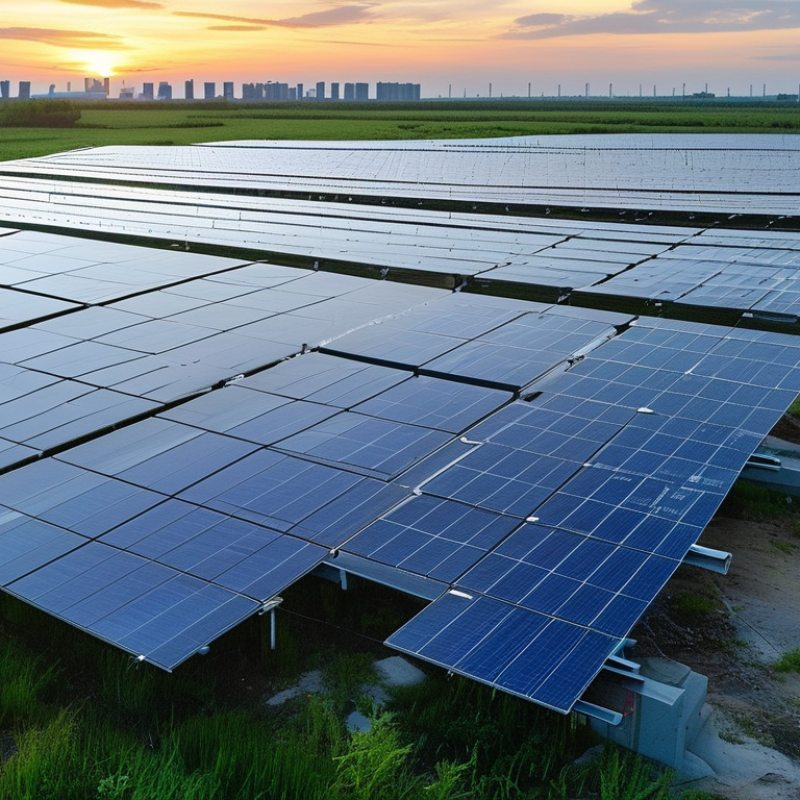
Transparent PV panels represent an innovative step towards a more sustainable future. These panels not only generate energy but also blend seamlessly into various environments. Their clarity allows light to filter through, maintaining aesthetics while producing electricity. However, maximizing efficiency requires a deep understanding of their optimal use.

To unlock the full potential of transparent PV panels, users must consider several factors. Orientation and placement significantly affect energy output. Users often overlook the impact of dirt and dust on panel performance. Regular cleaning and maintenance are essential for maintaining efficiency and maximizing savings.

Beyond installation, understanding how to integrate these panels into existing structures is crucial. Awareness of shading and nearby obstacles can lead to better energy capture. Even the most advanced technology has its limitations. Continuous learning and adaptation are necessary to achieve the best results. Transparent PV panels hold great promise, but their effectiveness depends on informed usage and regular reflection on design and placement choices.
Transparent PV Panels Tips for Maximum Efficiency and Savings?

Benefits of Using Transparent PV Panels in Modern Architecture

Transparent photovoltaic (PV) panels are revolutionizing modern architecture by integrating energy generation into building designs. According to a report by the International Energy Agency, the use of transparent PV could reduce energy consumption in buildings by up to 30%. This technology allows structures to generate electricity while maintaining aesthetic appeal. Windows and facades can harness solar energy, turning entire buildings into power sources.

The versatility of transparent PV panels is particularly beneficial for urban environments where space is limited. Urban development must balance energy demands and design. With transparent PV, architects can design structures that are not only visually striking but also energy-efficient. However, the effectiveness of these panels can be diminished by factors such as shading and orientation. It’s important to evaluate locations carefully to maximize sunlight exposure.

Moreover, the initial investment in transparent PV can be higher than traditional materials. Yet, potential savings on energy bills and incentives from governments can offset these costs. A study from the U.S. Department of Energy indicates that integrating transparent PV could lead to a payback period of 7 to 12 years. This reflects a shift in how we view architecture—as spaces that contribute to sustainable energy generation instead of merely consuming it.

Factors Affecting the Efficiency of Transparent PV Panels

Transparent photovoltaic (PV) panels present an innovative solution for energy generation. However, their efficiency can significantly vary based on several factors. One of the primary aspects is the panel’s transparency level. While higher transparency allows for better aesthetics, too much can reduce the amount of light absorbed. Striking a balance is crucial for optimal performance.

Another important factor is the angle of installation. The angle affects how sunlight hits the panels. If they are not positioned correctly, it could lead to decreased energy output. This requires careful consideration of the environment and the sun's path throughout the day. Additionally, local weather conditions play a role. Frequent cloud cover or heavy rain can limit the sunlight available to the system.

Temperature also matters. Transparent PV panels can become less effective at high temperatures. They may lose efficiency during hot summer days. Maintaining a cooler environment around the panels is essential for peak performance. Regular maintenance and cleaning can further enhance efficiency, as dirt and debris can obstruct light. Awareness and ongoing assessment are vital for achieving maximum efficiency with transparent PV panels.

Factors Affecting the Efficiency of Transparent PV Panels

This bar chart illustrates the different factors affecting the efficiency of transparent photovoltaic panels and their respective contributions to overall performance. Understanding these factors can help optimize energy output and savings.

Optimal Installation Techniques for Transparent PV Panels

When it comes to installing transparent PV panels, proper placement is key. The angle and orientation of the panels can significantly impact their efficiency. Ideally, they should face south in the northern hemisphere to capture maximum sunlight. A tilt of around 30 degrees often yields better results. However, consider the location of nearby obstructions like trees or buildings. These can cast shadows, reducing the energy output.

The surface on which panels are installed matters too. Flat rooftops may require a mounting structure to optimize sunlight exposure. Ensure the installation is secure and weather-resistant. Regular maintenance should not be overlooked either. Cleaning panels regularly can remove dust and debris that hinder performance. Assessing their condition helps prevent costly repairs down the line.

While transparent photovoltaic technology is promising, it has limitations. These panels may not always reach the same efficiency levels as traditional options. Users need to weigh their aesthetic benefits against potential energy output. As you make choices, reflect on the balance between design and functionality. The long-term savings might not be as high as anticipated if not executed correctly.

Transparent PV Panels Tips for Maximum Efficiency and Savings

Installation Technique Efficiency Gain (%) Cost Savings ($/year) Recommended Angle (degrees)
Optimal Tilt Installation 15% 200 30
Regular Cleaning and Maintenance 10% 150 N/A
Using Reflective Materials Nearby 8% 100 N/A
Periodic Performance Monitoring 5% 75 N/A
Strategic Planting of Trees for Shade 7% 120 N/A

Maintenance Tips to Enhance the Lifespan of Transparent PV Panels

Transparent photovoltaic (PV) panels offer unique energy solutions. However, proper maintenance is crucial for maximizing their efficiency and longevity. Regular cleaning is essential. Dust and debris can block sunlight, reducing energy production. Use a soft cloth or sponge to wipe the surface. Avoid harsh chemicals that can damage the panels.

Inspect the frames and seals regularly. Look for signs of wear or damage. Any cracks can lead to moisture buildup, harming the panels. Addressing these issues early prevents costly repairs. Additionally, monitor performance through data analysis. Noticing drops in output can signal the need for cleaning or repairs.

Temperature management is often overlooked. Extreme heat can impact efficiency. If panels heat excessively, consider adding shade or ventilation solutions. Small adjustments can lead to better performance. Transparency in care can help maintain your investment in the long run. Regular attention to these details enhances the lifespan of your transparent PV panels.

Cost-Saving Strategies When Implementing Transparent PV Technology

When considering transparent photovoltaic (PV) technology, cost-saving strategies are essential. A recent report by the National Renewable Energy Laboratory (NREL) reveals that transparent solar panels can reduce energy costs by up to 30% in urban environments. This efficiency comes from their ability to generate power while maintaining light transmission, making them ideal for windows and facades.

Implementing these technologies requires careful planning. According to an analysis by the International Energy Agency (IEA), initial setup costs for transparent PV systems can be higher than traditional panels. However, building-integrated photovoltaics (BIPV) can offset these costs over time through energy savings and net-metering benefits. When calculating return on investment (ROI), it's vital to consider local energy rates. Urban areas often benefit more due to higher electricity prices.

Potential limitations should not be overlooked. The efficiency of transparent PV panels tends to be lower than conventional solar panels, typically around 10-15%. This may impact overall energy yield, particularly in less sunny regions. Conducting a detailed energy audit before installation is advisable to ensure that the investment aligns with local conditions and energy goals.

FAQS

: What are transparent photovoltaic (PV) panels?

: They are energy-generating panels that maintain aesthetics while harnessing solar energy.

How much energy can transparent PV panels save in buildings?

They can reduce energy consumption by up to 30%, according to reports.

What factors affect the efficiency of these panels?

Key factors include transparency level, installation angle, weather conditions, and temperature.

Why is the angle of installation important?

The angle affects how much sunlight hits the panels, influencing energy output significantly.

How can weather impact transparent PV panel performance?

Frequent clouds and heavy rain can limit sunlight, reducing energy generation efficiency.

What are some maintenance tips for transparent PV panels?

Regularly clean the panels and inspect frames for damage to enhance performance and longevity.

Why is regular cleaning essential for PV panels?

Dust and debris block sunlight, which decreases energy production if not removed.

How does temperature affect transparent PV panels?

High temperatures can diminish efficiency, so keeping them cooler maximizes performance.

What should you do if you notice a drop in output?

Consider cleaning the panels or checking for damages to ensure proper functioning.

Is the initial investment in transparent PV panels worth it?

The payback period is typically 7 to 12 years, which can be justified by long-term savings.

Conclusion

Transparent PV panels are revolutionizing modern architecture by blending sustainability with aesthetics. Their benefits include harnessing solar energy while allowing natural light to permeate spaces, thereby reducing reliance on traditional energy sources. However, the efficiency of these panels can be influenced by various factors such as angle, placement, and environmental conditions.

To maximize their performance, optimal installation techniques are crucial. Proper alignment and positioning can significantly enhance energy capture. Additionally, regular maintenance is essential for prolonging the lifespan and functionality of transparent PV panels. Implementing cost-saving strategies, such as government incentives and ROI calculations, can also make the transition to this innovative technology more feasible and economically viable. Embracing transparent PV panels not only contributes to energy savings but also supports a more visually pleasing and sustainable architectural future.

Isabella

Isabella

Isabella is a dedicated marketing professional with a sharp focus on driving brand growth and engagement through strategic content creation. With an extensive background in digital marketing, she combines her passion for storytelling with her keen understanding of industry trends to deliver......