Strategic growth report on Building-Integrated Photovoltaics for 2024-2030
Building-Integrated Photovoltaics (BIPV) represent the next frontier in sustainable architecture. Unlike traditional solar panels (BAPV) which are attached to a building, BIPV materials are integral parts of the building structure itself—such as the roof, skylights, or facades. This dual-purpose functionality provides Information Gain for developers: reducing material costs while generating clean energy.
China has established itself as the global epicenter for BIPV manufacturing. The advantages of sourcing from our integrated supply chain include:
Economies of scale allow us to offer competitive pricelists for premium TopCon and N-Type cells.
Continuous innovation in BC (Back Contact) cells and HJT technology ensures maximum Wp/m².
From glass processing to lithium battery storage, we offer a "Zero-Mile" manufacturing ecosystem.
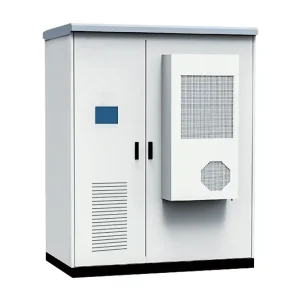
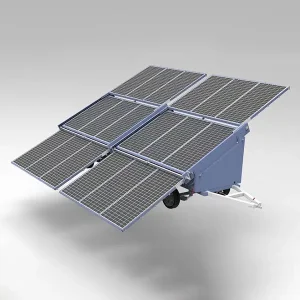
Manufacturing enterprises face the challenge of rising electricity costs and carbon taxes. Our All In One Solutions address this by integrating solar roofs with high-capacity energy storage. Installing solar panels on factory roofs and integrating energy storage systems can efficiently meet electricity demands, promoting cost savings and sustainable development.
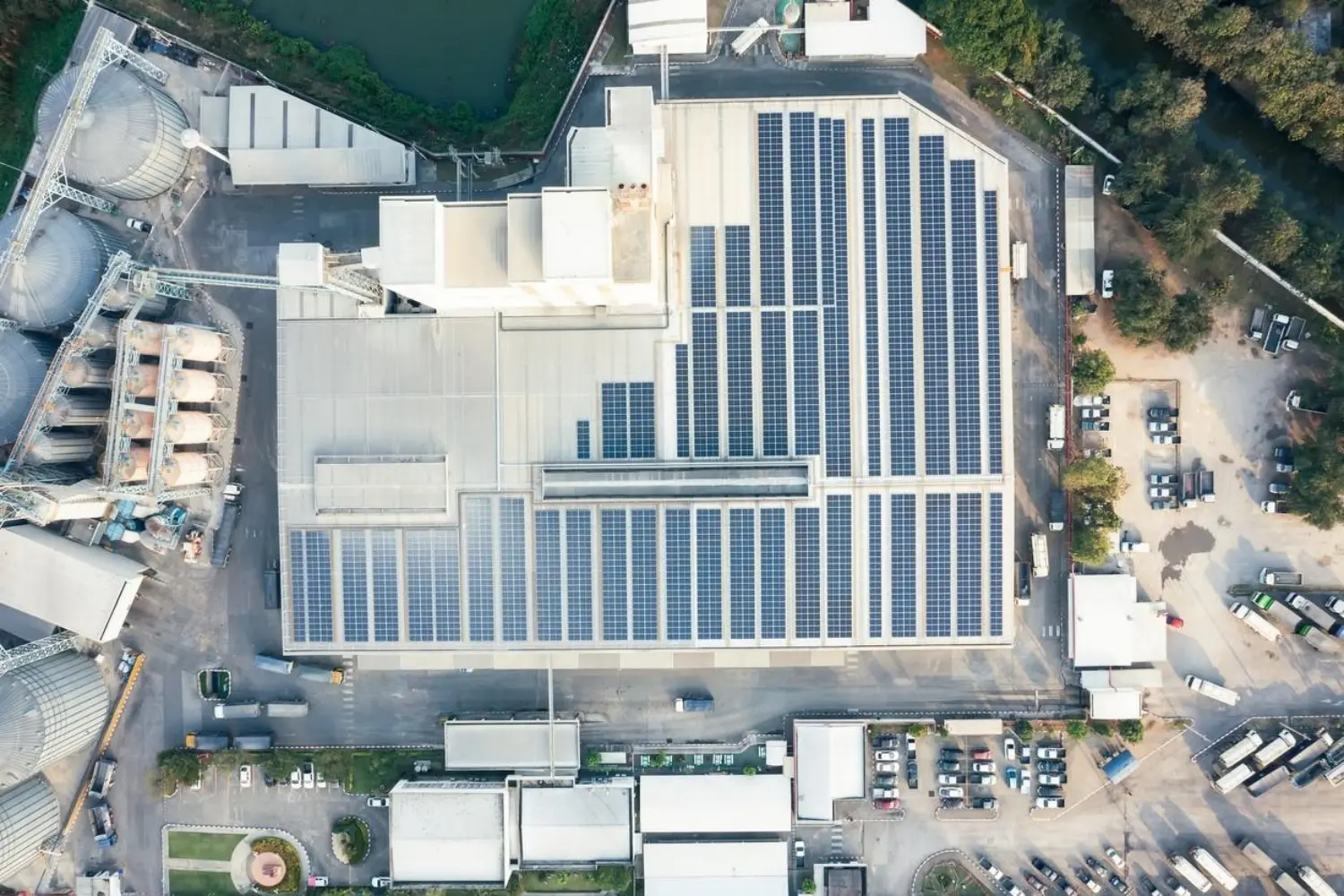
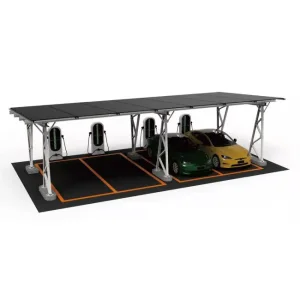
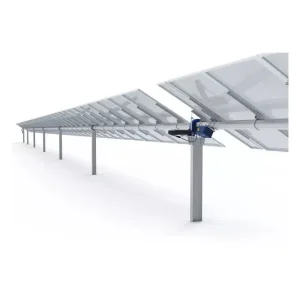
BIPV is versatile. Our solutions are deployed globally across several key scenarios:
Annual Capacity
Years Experience
Max Inverter Power
Global Partners
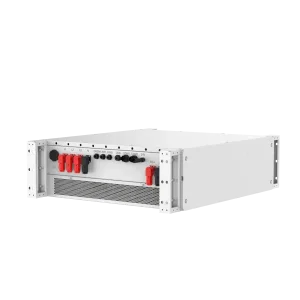
Integrated supply chain support for PV Modules, Inverters, and Batteries.
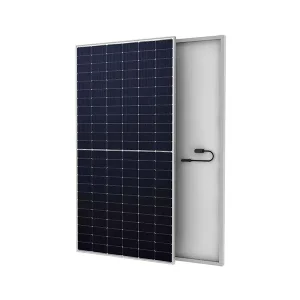
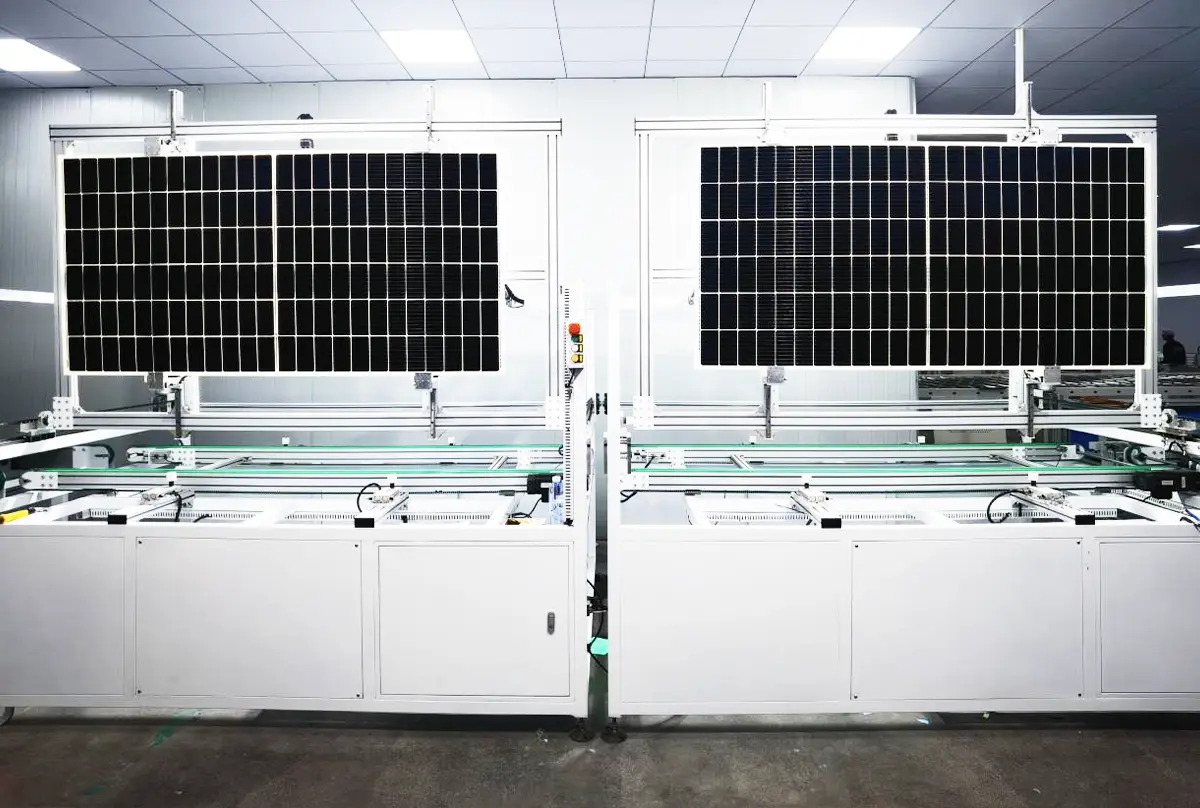
Full range type and capacity of PV modules. N type, TopCon, P type, HJT, BC. Mono, Bi-facial. Standard size, Customized size. 400W to 700W+
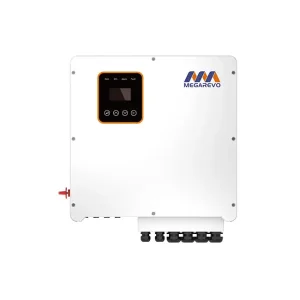
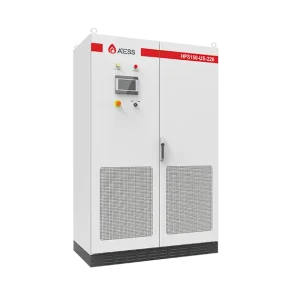
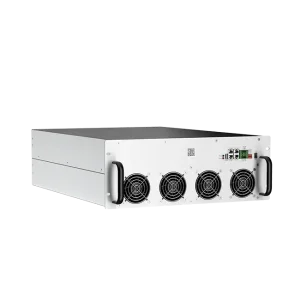
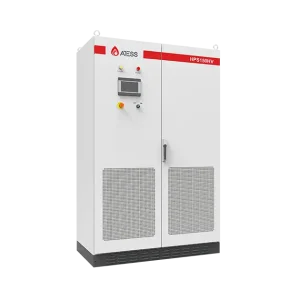
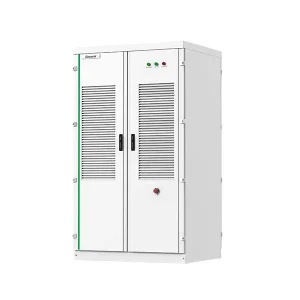
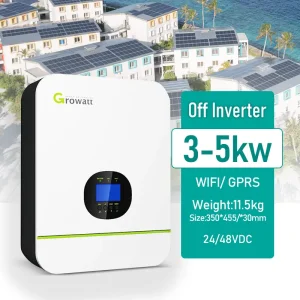
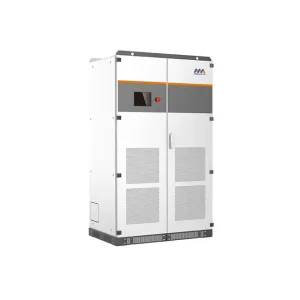
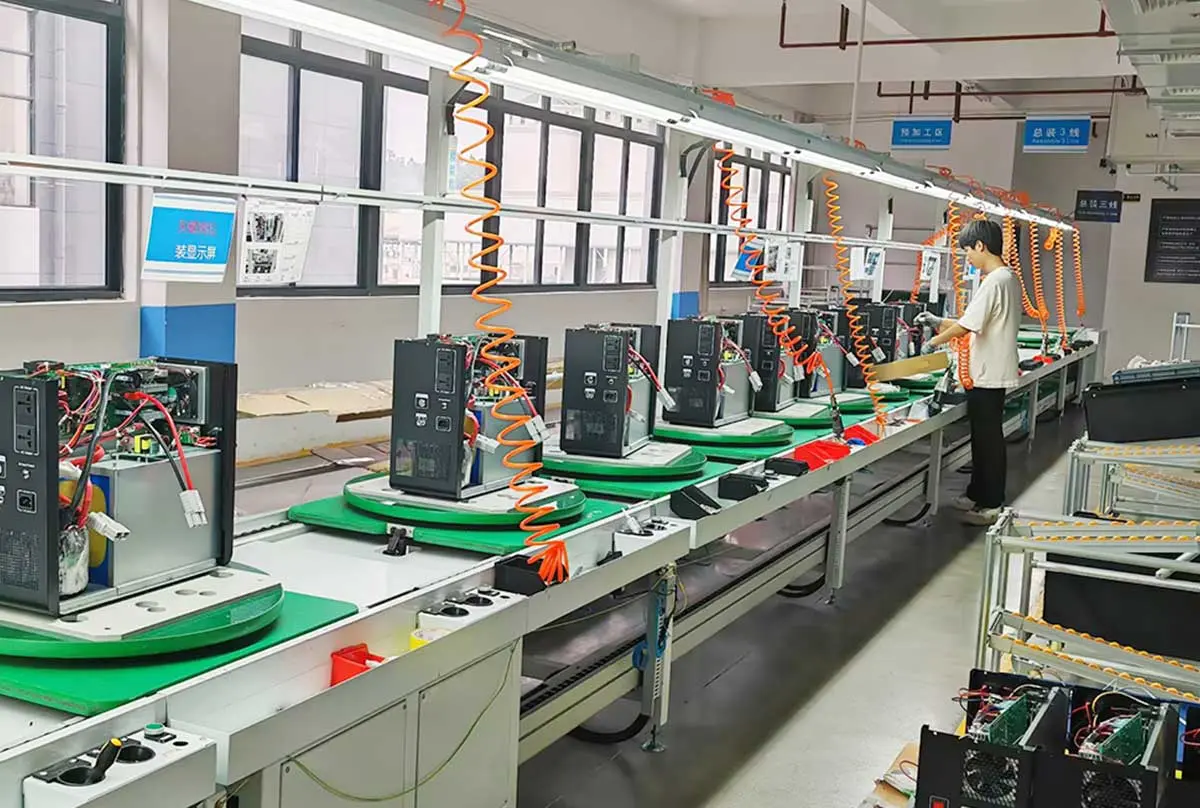
High-efficiency single-phase and three-phase Solar PV, Hybrid, and Off-grid inverters ranging from 1KW to 110KW with integrated smart monitoring.
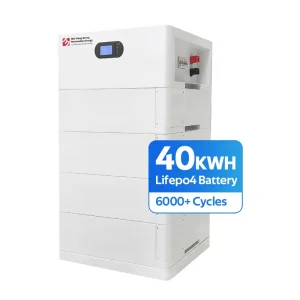
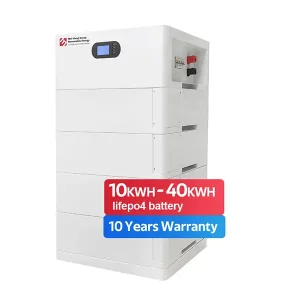
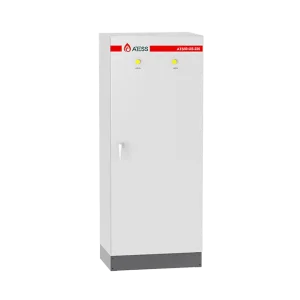
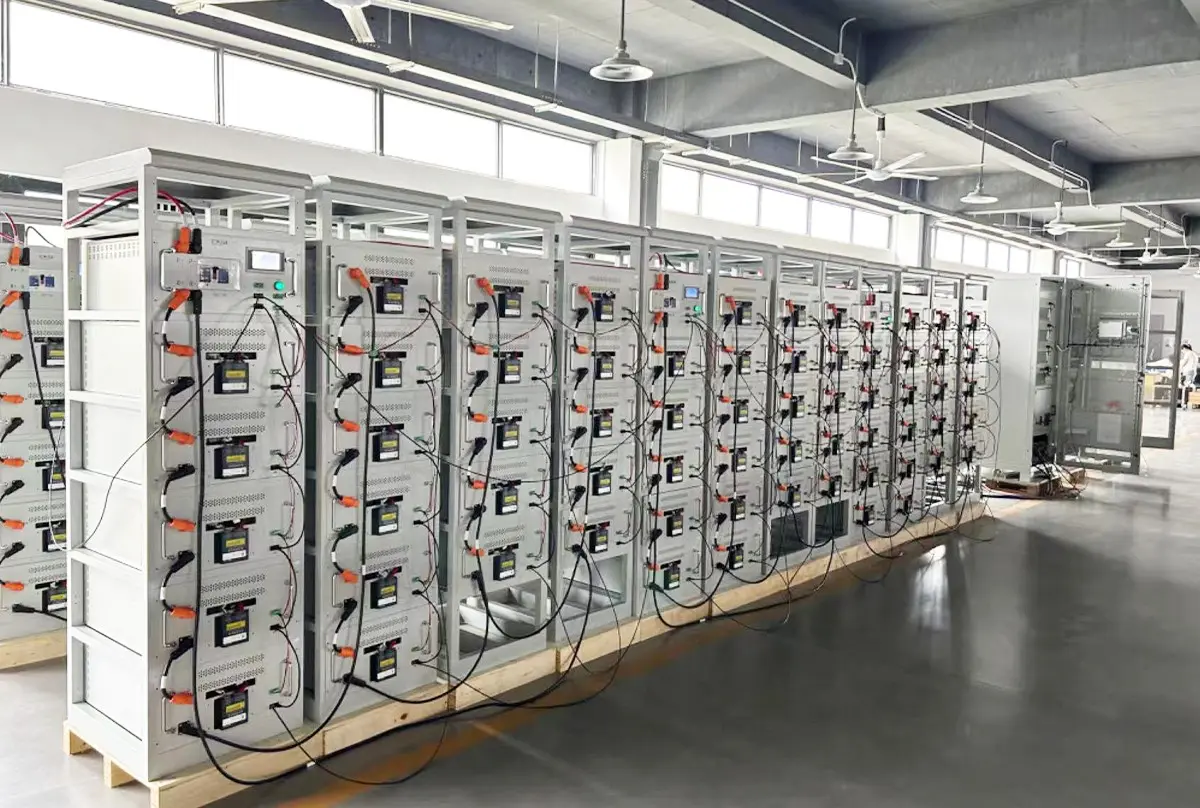
Specializing in residential and large-scale applications (10kWh to 40ft containers), supported by 10+ experienced engineers.
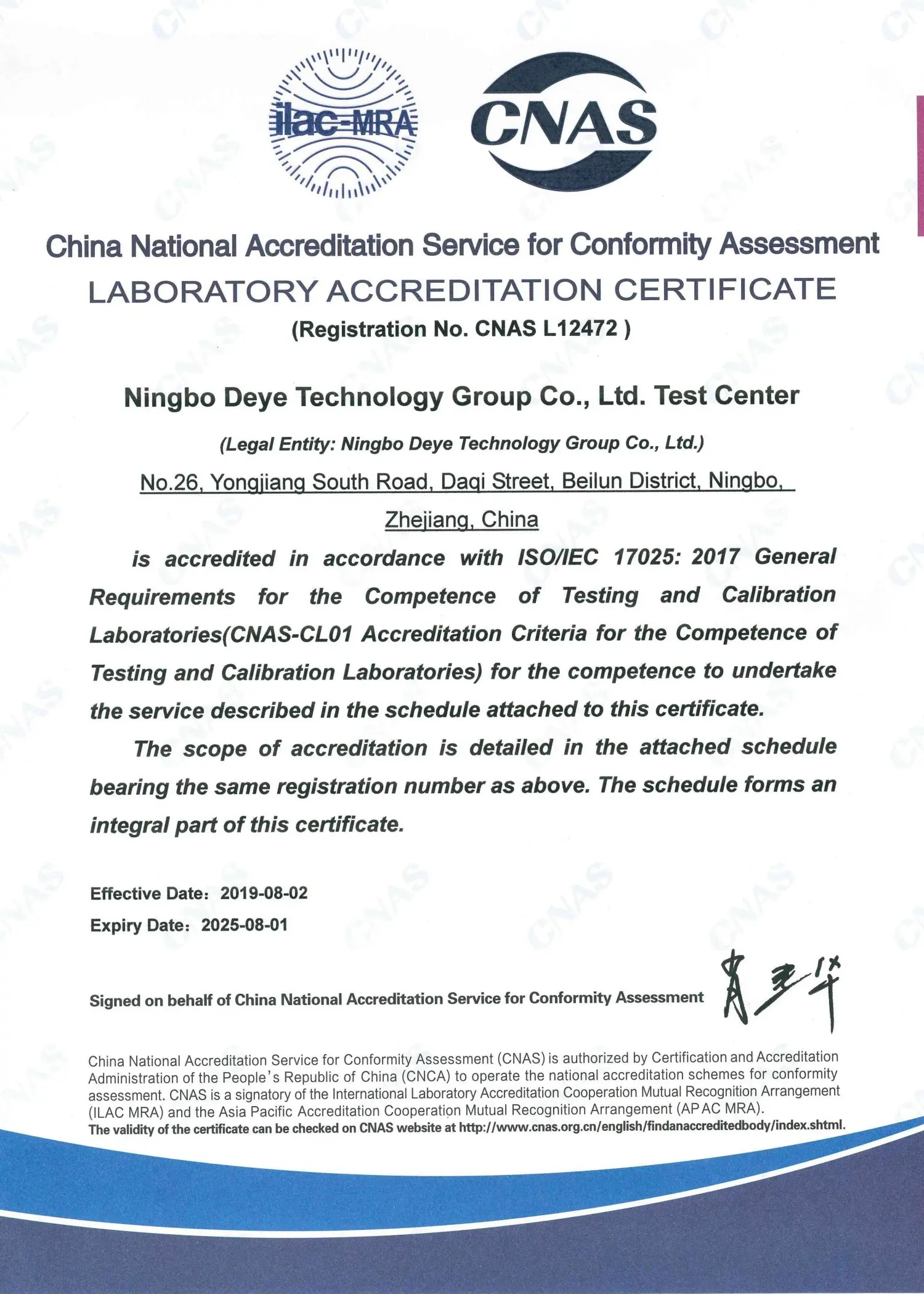
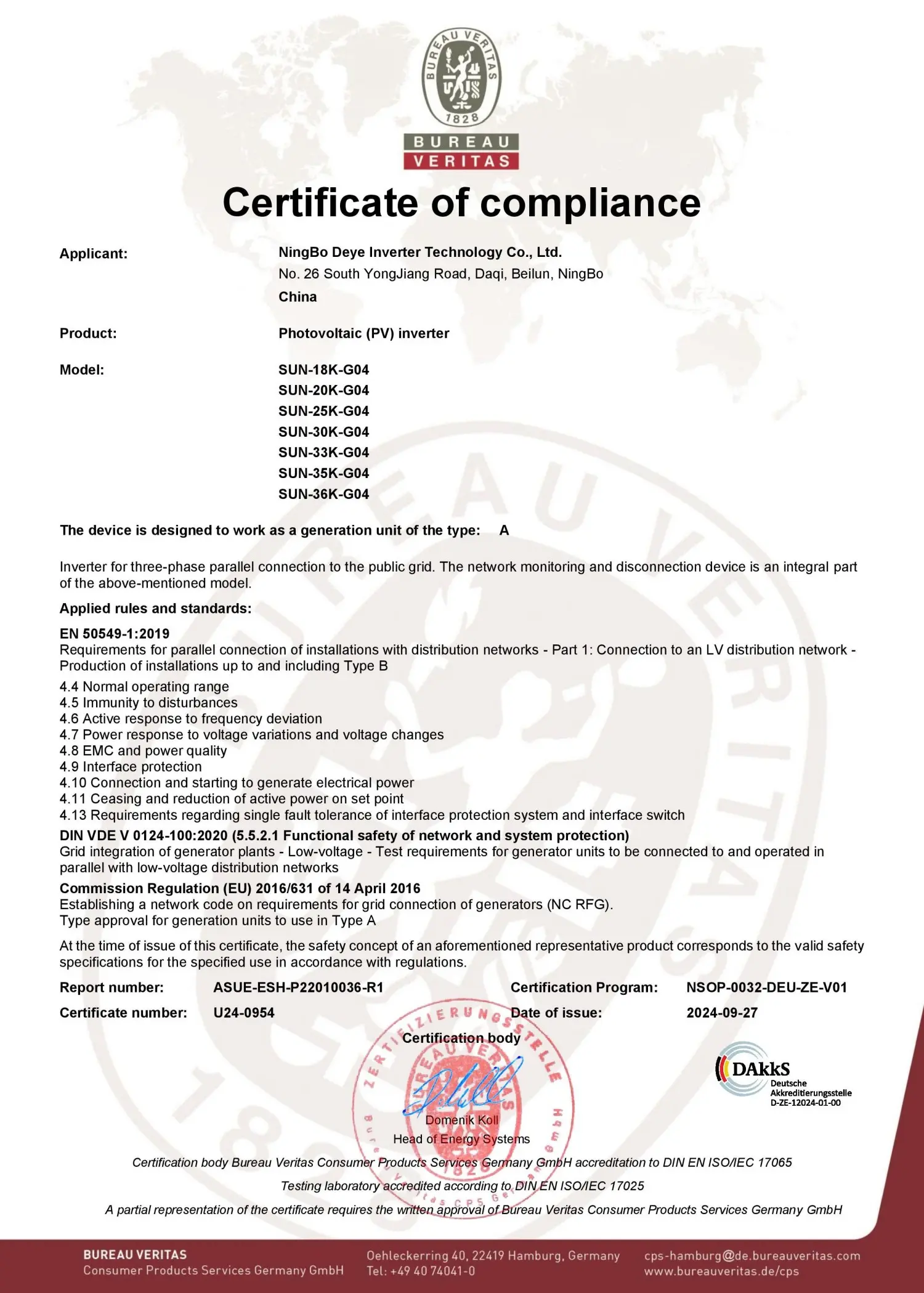
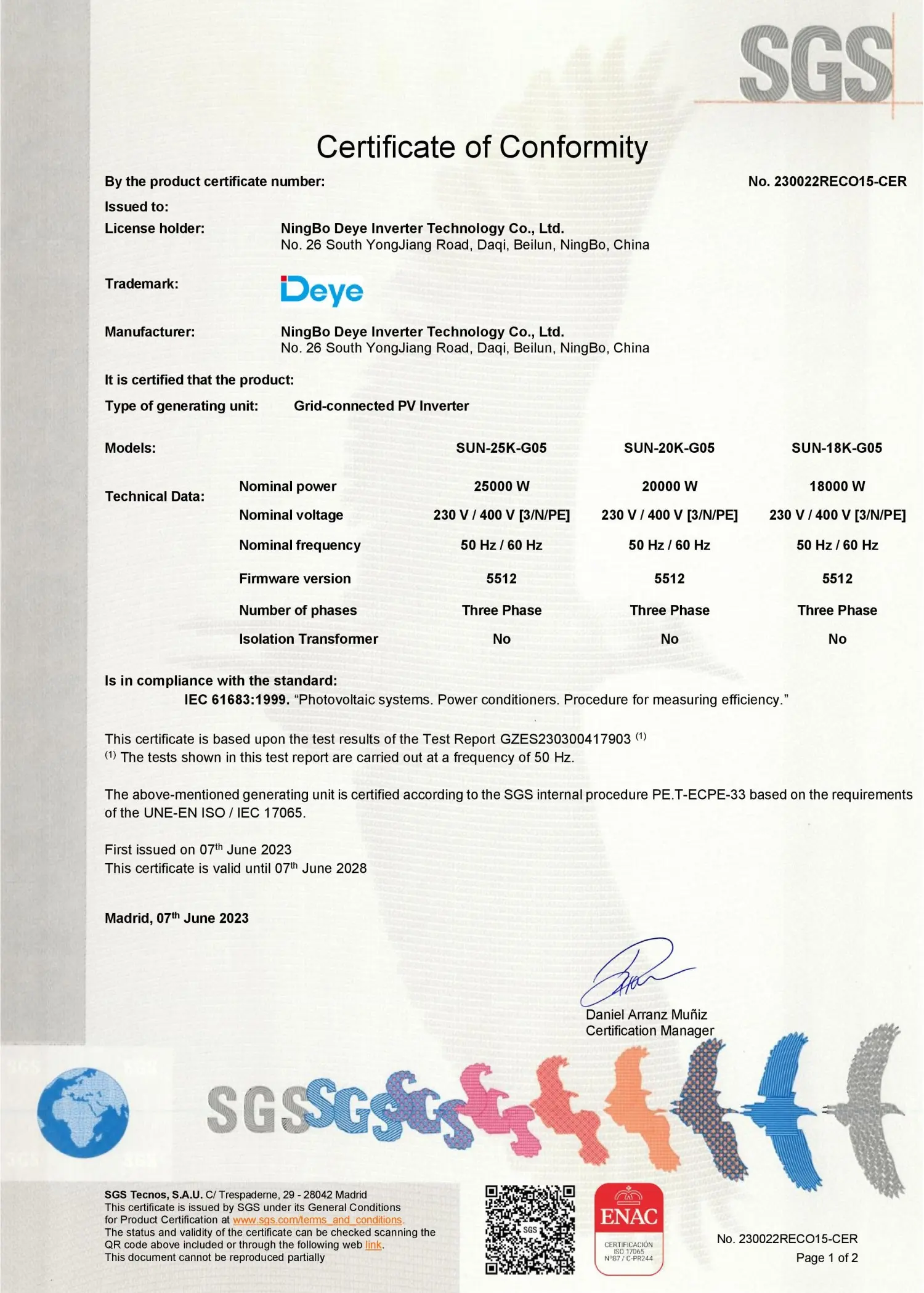
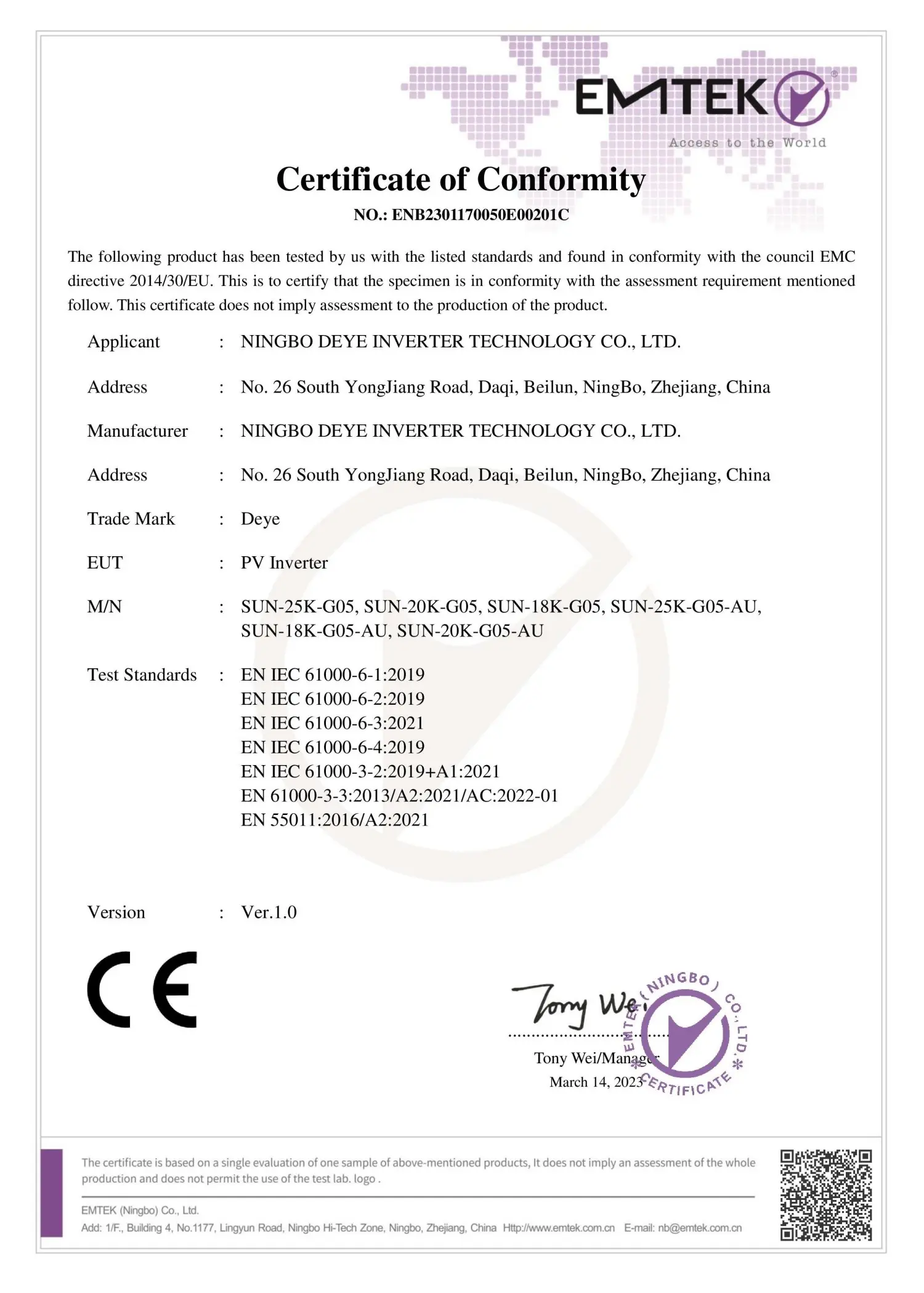
Our products are rigorously certified to meet industry standards for quality, reliability, and safety.
Depending on local energy prices and subsidies, ROI typically ranges from 5-8 years. However, BIPV offsets construction material costs, which can reduce the initial payback period significantly.
Yes, our BIPV modules are designed as structural elements, tested for high wind loads, snow pressure, and impact resistance according to international building codes.
Absolutely. We specialize in ODM/OEM services where glass dimensions, transparency levels, and cell densities are customized to match architectural blueprints.
N-Type cells (like TopCon) offer higher efficiency, lower degradation, and better performance in low-light conditions, making them ideal for vertical facades.
 MH Energy