Engineered for extreme environments, delivering optimal yield, smart safety profiles, and robust grid synchronization.
Our advanced solar technology ecosystem seamlessly combines high-efficiency flat solar panels, smart hybrid inverters, and utility-scale energy storage systems (ESS). As a pioneer in clean energy engineering, we provide holistic architectures engineered to dramatically compress levelized cost of energy (LCOE), stabilize localized grids, and guarantee energy autonomy for industrial complexes, retail networks, and remote communities worldwide.
By controlling the vertical supply chain from raw crystalline silicon cell sorting to final thermal-runaway-protected container assembly, we verify the pedigree of every component.
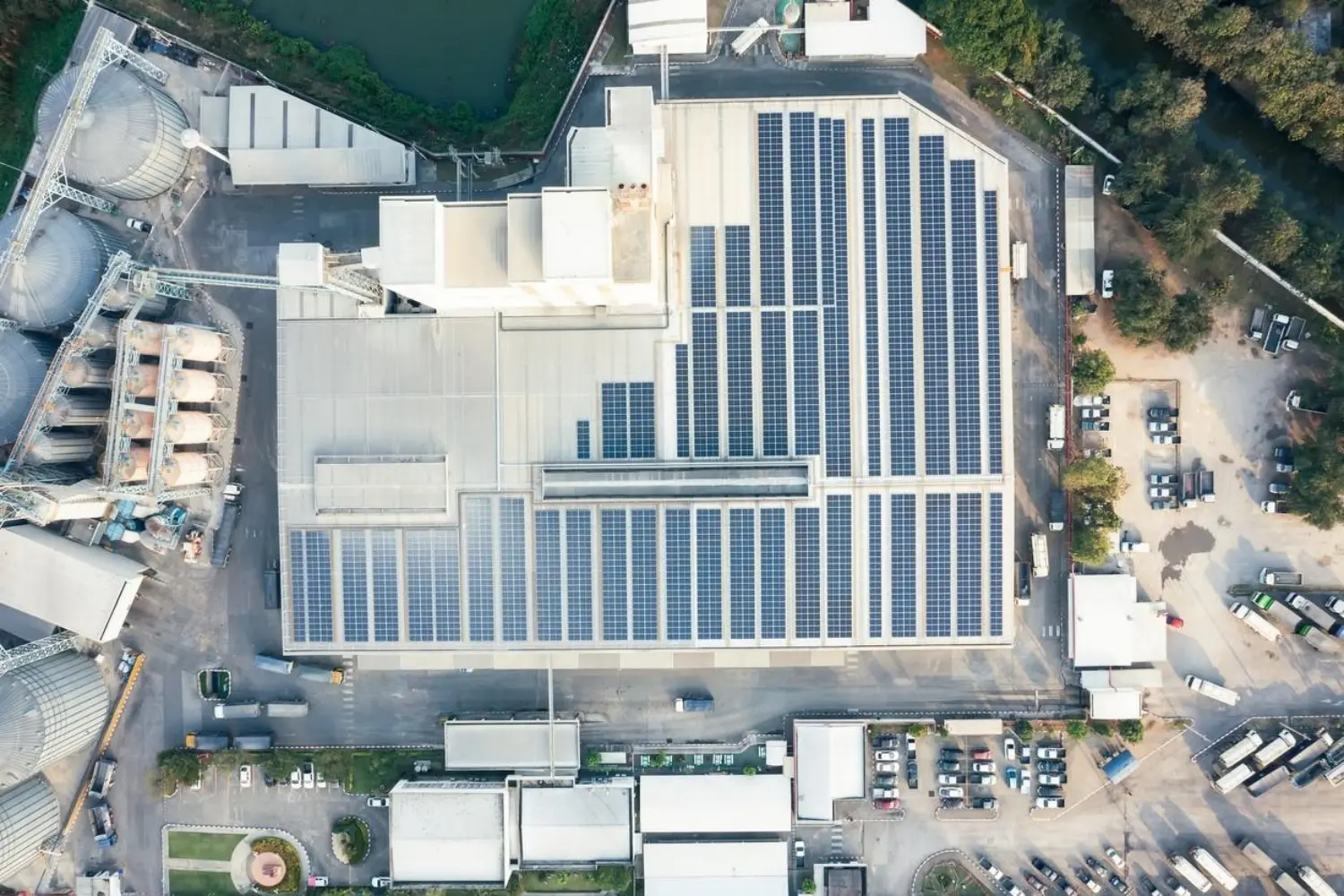
How our R&D direction is redefining efficiency, longevity, and structural integration in next-generation photovoltaics.
We are shifting rapidly toward N-Type Tunnel Oxide Passivated Contact (TOPCon) and Heterojunction Technology (HJT). These technologies eliminate Light-Induced Degradation (LID) and drastically lower the temperature coefficient to -0.30%/°C, ensuring optimal energy capture in extreme high-temperature regions.
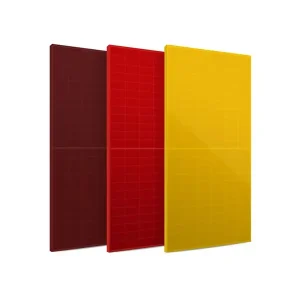
Our flat solar panels capitalize on symmetrical N-type cell architecture to achieve up to 85% bifaciality. By capturing ground-reflected albedo light, these modules increase overall system energy output by up to 25% when deployed on highly reflective soils, concrete, or roof membranes.
Integrating zero-busbar (0BB) connection methods reduces shading areas on the cell face while mitigating localized micro-crack expansion risks. This translates directly to enhanced physical flexibility, minimized silver paste consumption, and superior long-term performance retention.
| Specification Parameter | Standard P-type PERC Modules | Advanced N-type TOPCon (Our Core) | HJT Heterojunction Modules |
|---|---|---|---|
| Average Module Efficiency | 20.5% - 21.3% | 22.5% - 23.3% | 23.0% - 23.8% |
| Temperature Coefficient (Pmax) | -0.35% / °C | -0.30% / °C | -0.26% / °C |
| Bifaciality Factor | 70% ± 5% | 80% ± 5% | 85% ± 5% |
| First Year Performance Degradation | < 2.0% | < 1.0% | < 1.0% |
| Annual Linear Degradation (30 Yrs) | 0.55% | 0.40% | 0.37% |
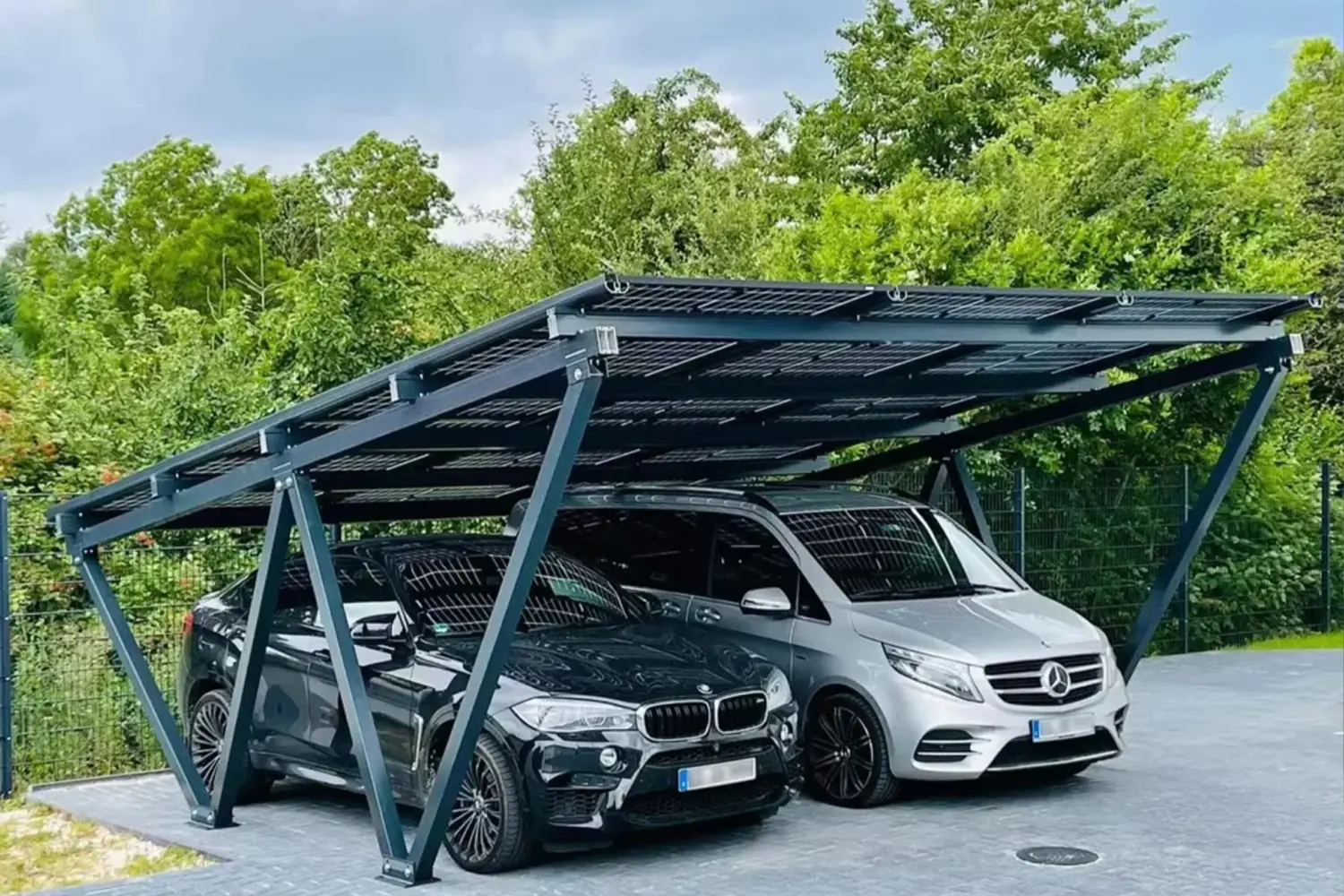
Excessive grid-tariff volatility poses existential challenges to energy-intensive manufacturing operations. Our tailored microgrid solutions address these fluctuations by combining flat roof solar panel arrays with intelligent dynamic load-shifting.
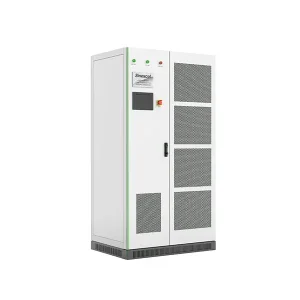
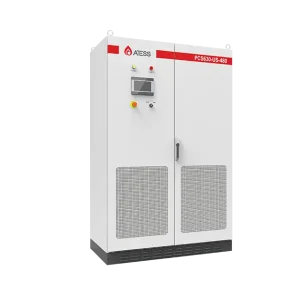
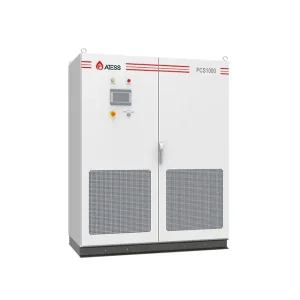
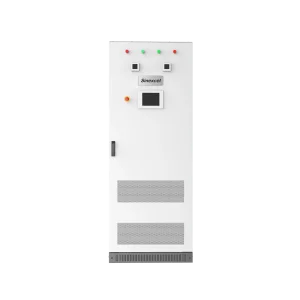
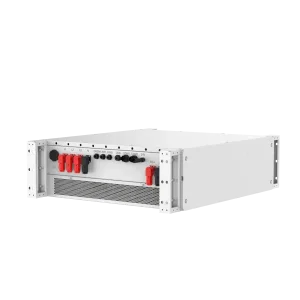
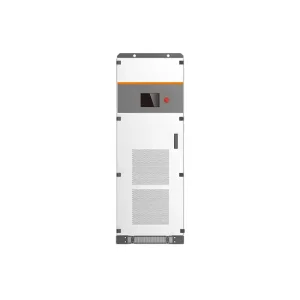
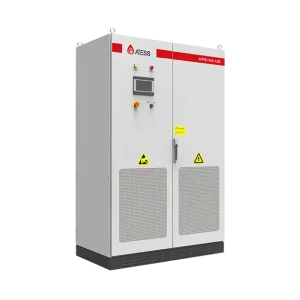
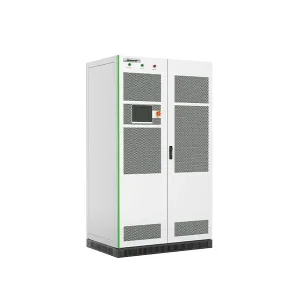
By integrating multi-string DCDC rack converters and smart transfer switch cabinets, industrial zones can dynamically balance local consumption, storage, and grid feedback, converting energy centers from cost sinks into profitable utility assets.
Explore C&I SolutionsBy capturing surplus daytime solar energy and discharging it during peak utility pricing cycles, our integrated BESS (Battery Energy Storage Systems) drastically reduces peak demand penalties for factories.
Designed with customized structural spans, our lightweight flat PV modules allow adequate photosynthetically active radiation (PAR) to penetrate to crops below while providing wind protection and reduced soil moisture evaporation.
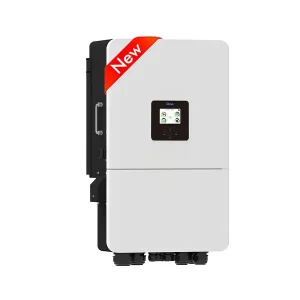
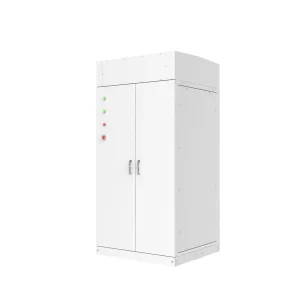
For remote operations or mines, we implement high-voltage hybrid string inverters and energy switchgear capable of transition-free islanding, protecting sensitive machinery from voltage dips.
Operating at the apex of automation, vertical integration, and structural quality control systems.
Our state-of-the-art production base leverages Industry 4.0 smart manufacturing paradigms. By implementing fully automated robotic assembly, inline laser-assisted thermal processing, and machine-learning-driven optical inspection (EL testing), we maintain a massive 10GW annual manufacturing capacity for PV modules.
This deep vertical integration allows us to procure raw silicon materials under long-term secure contracts, mitigating localized shortages and stabilizing cost parameters. For foreign OEMs, this structural control translates directly to reliable lead times and consistent product performance.
Double inline electro-luminescence scanning isolates micro-cracks before lamination, guaranteeing zero defects.
Every single batch of wafers and EVA backsheets is tracked via barcode back to its source point.
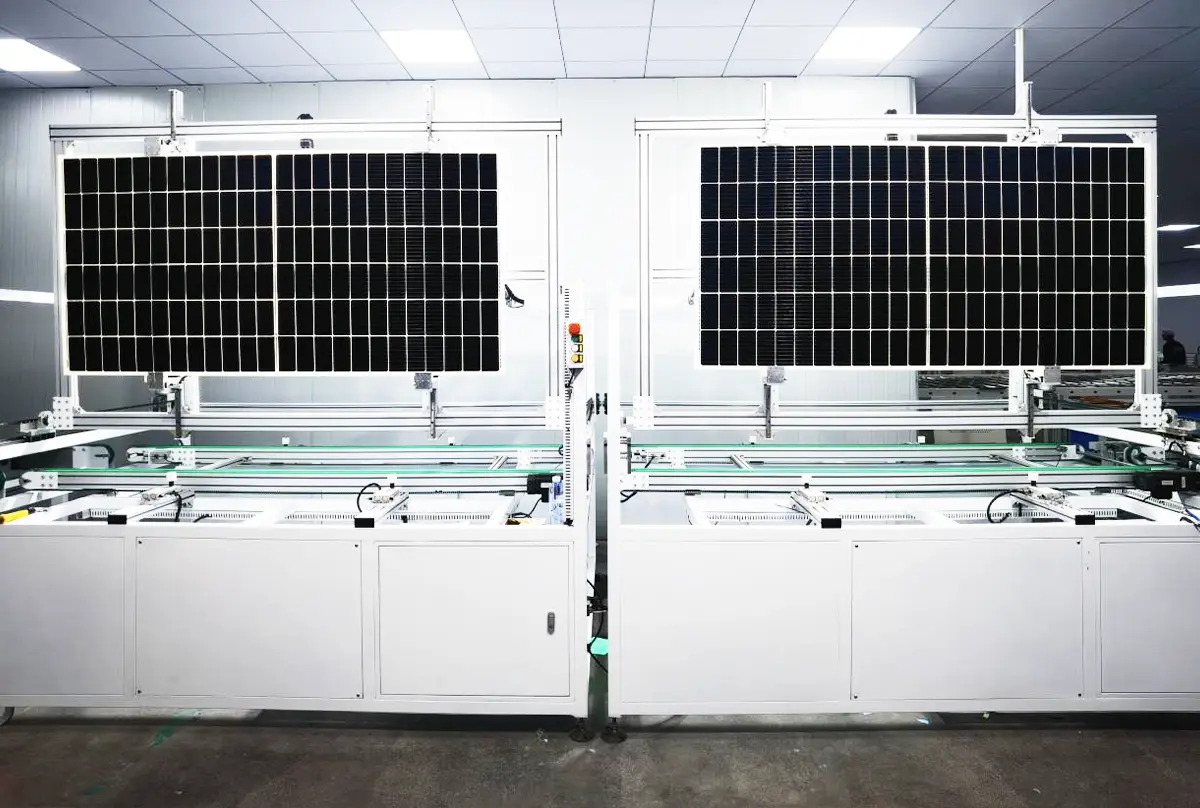
We offer robust supply chain support across three dedicated manufacturing divisions.
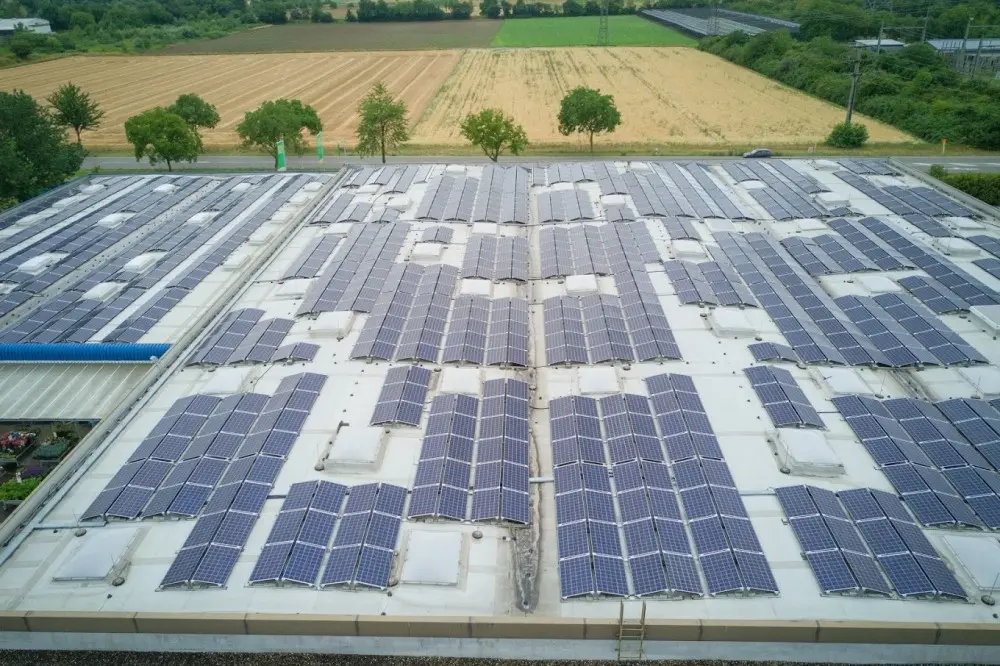
Leveraging cutting-edge cell-cutting and framing systems, we produce a comprehensive range of PV modules (N-type, TOPCon, HJT, Mono, Bi-facial) in both standard and bespoke sizes, ranging from 400W up to 700W+ for utility-scale sites.
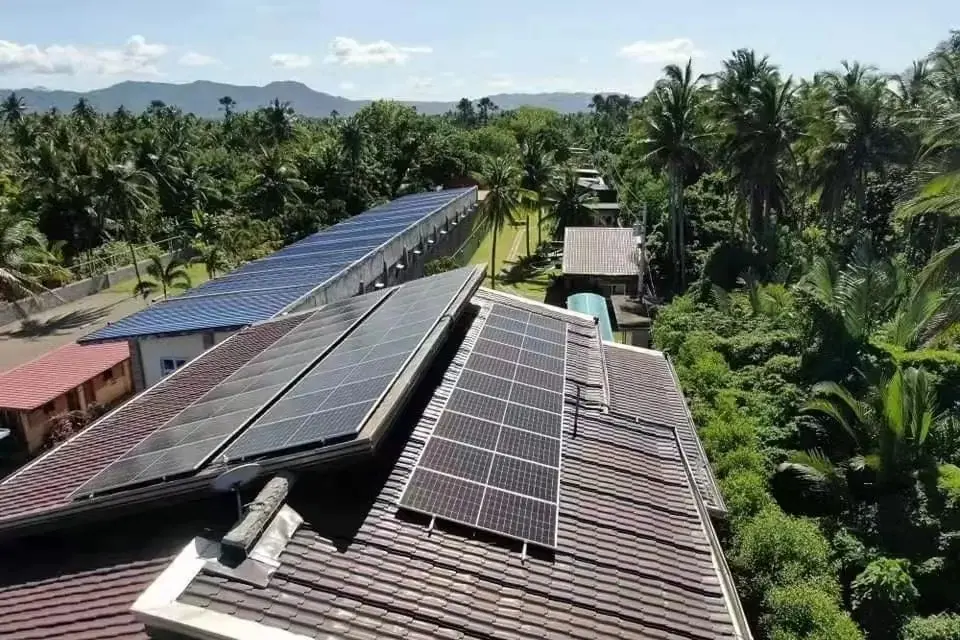
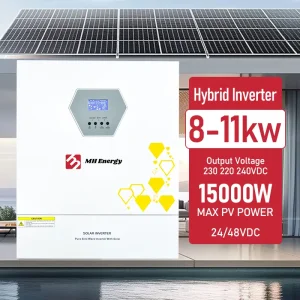
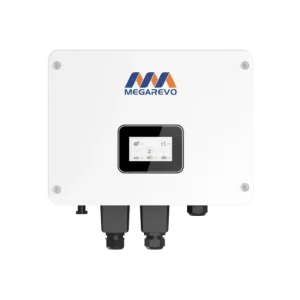
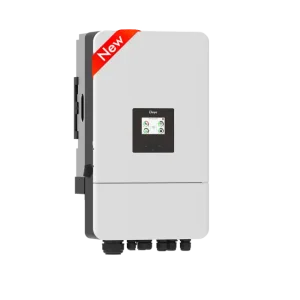
We manufacture highly efficient single-phase and three-phase solar PV, hybrid, and off-grid inverters (1KW to 110KW). Every model integrates real-time cloud-based monitoring, low voltage ride-through, and safety features.
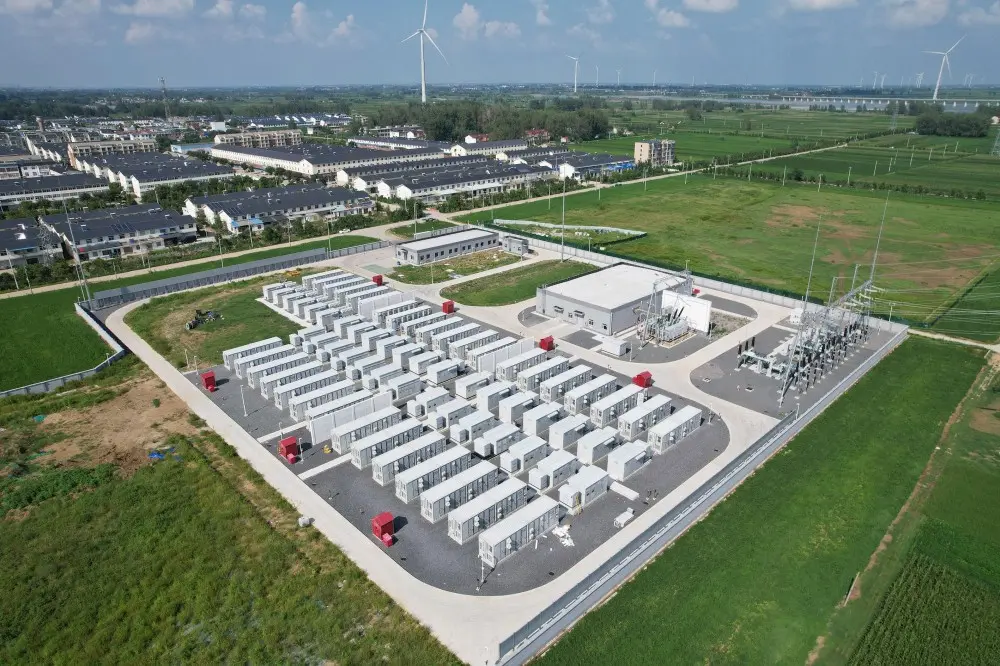
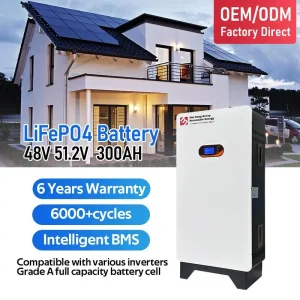
We produce premium LiFePO4 battery modules, spanning from 10kWh residential wall units to standardized 20ft and 40ft utility container systems. Led by a team of over 10 veteran system design engineers.
Helping developers, distributors, and EPCs simplify procurement, guarantee quality, and meet bankability targets.
Large-scale procurement programs require strict adherence to scheduling, compliance, and product bankability. We offer dedicated ODM services that let you customize solar modules and inverters to fit your grid requirements and local aesthetics without sacrificing performance.
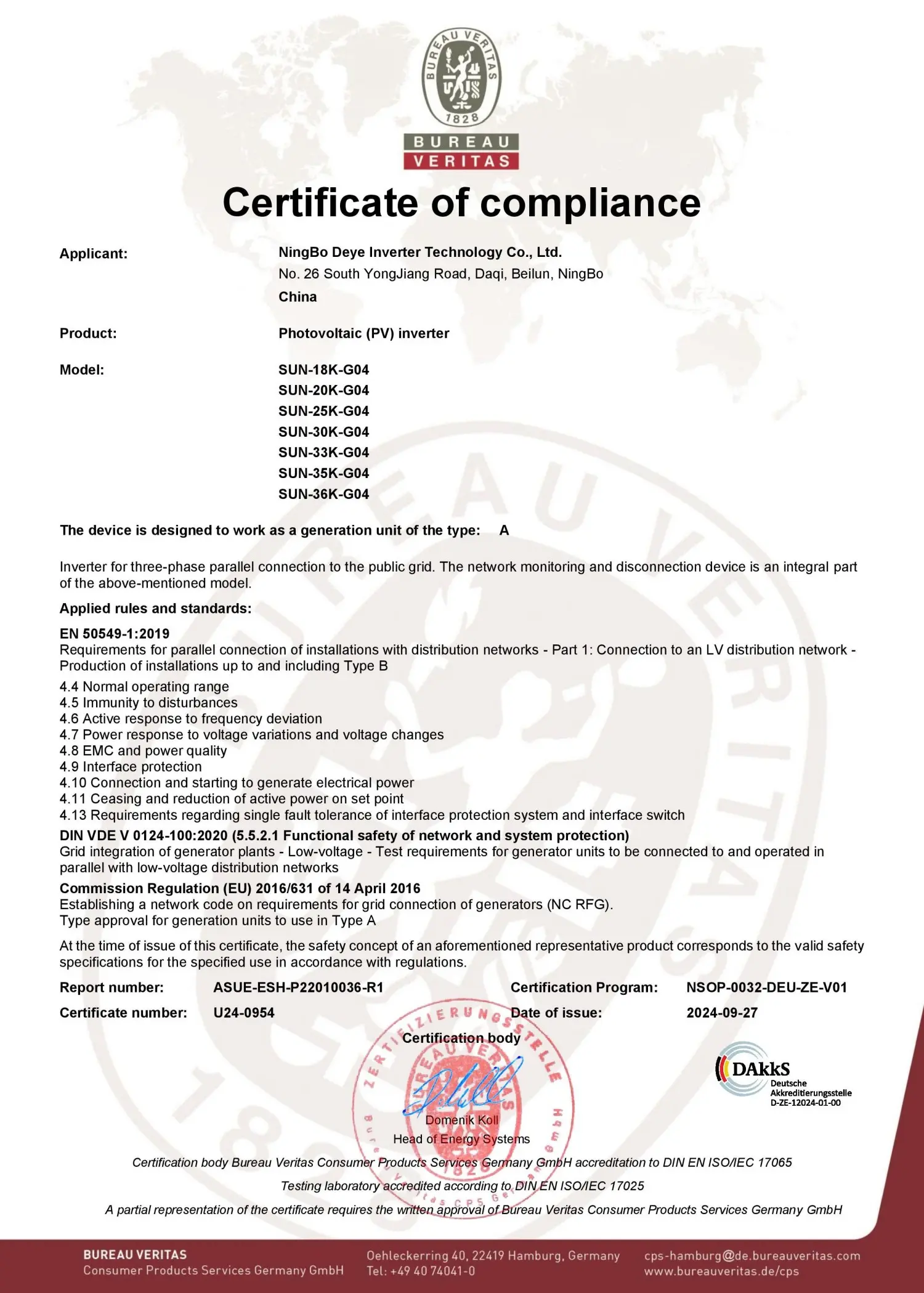
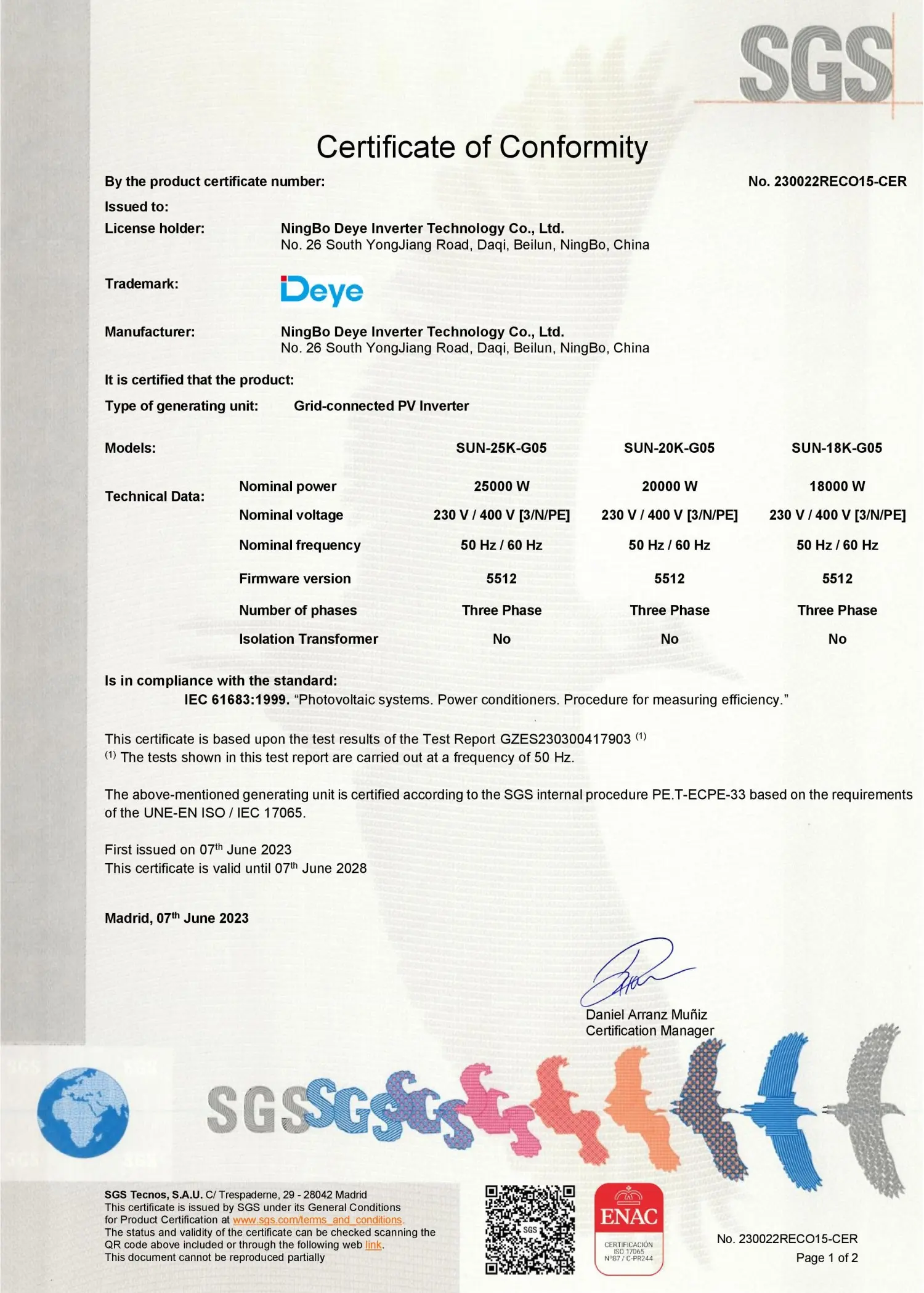
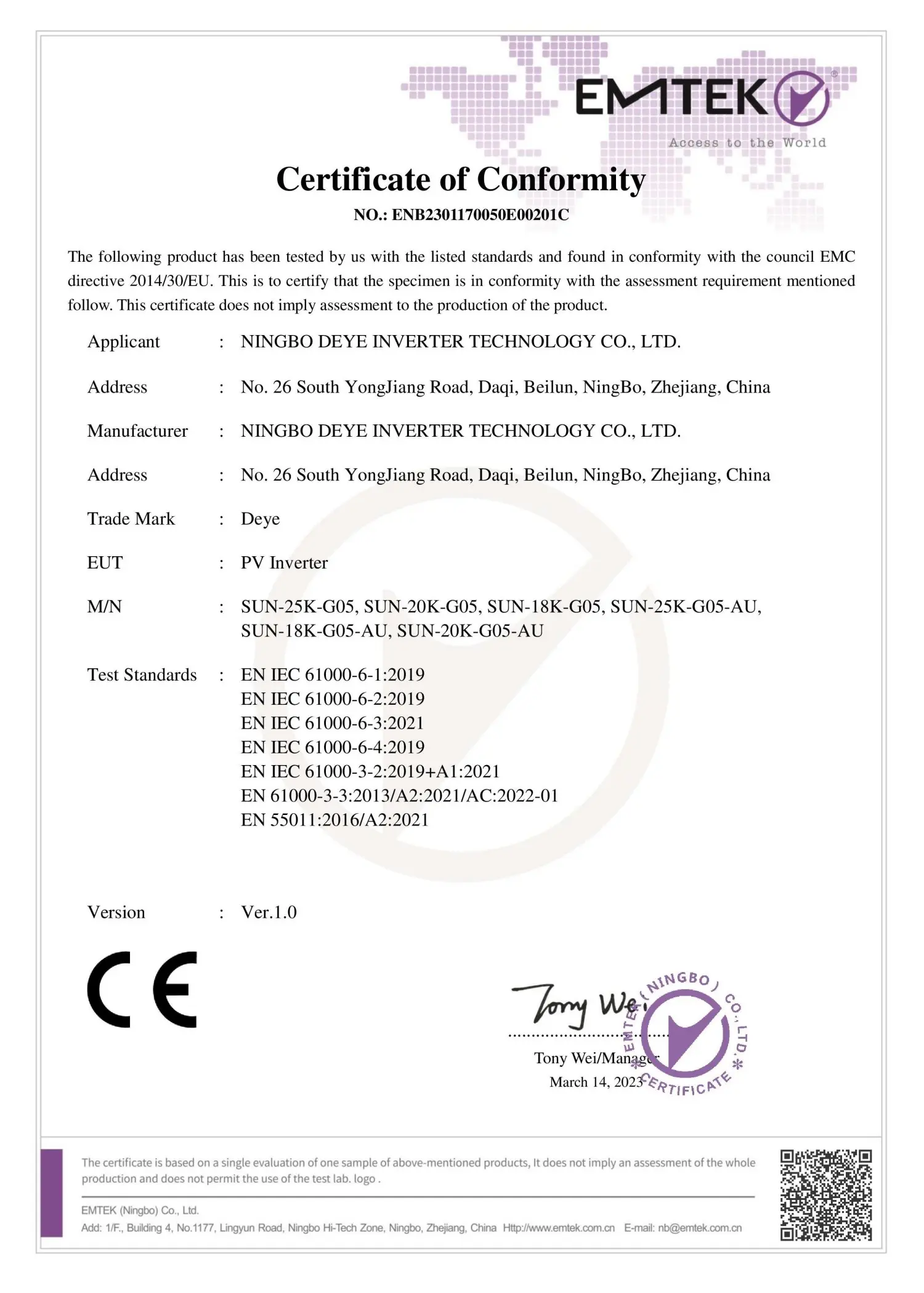
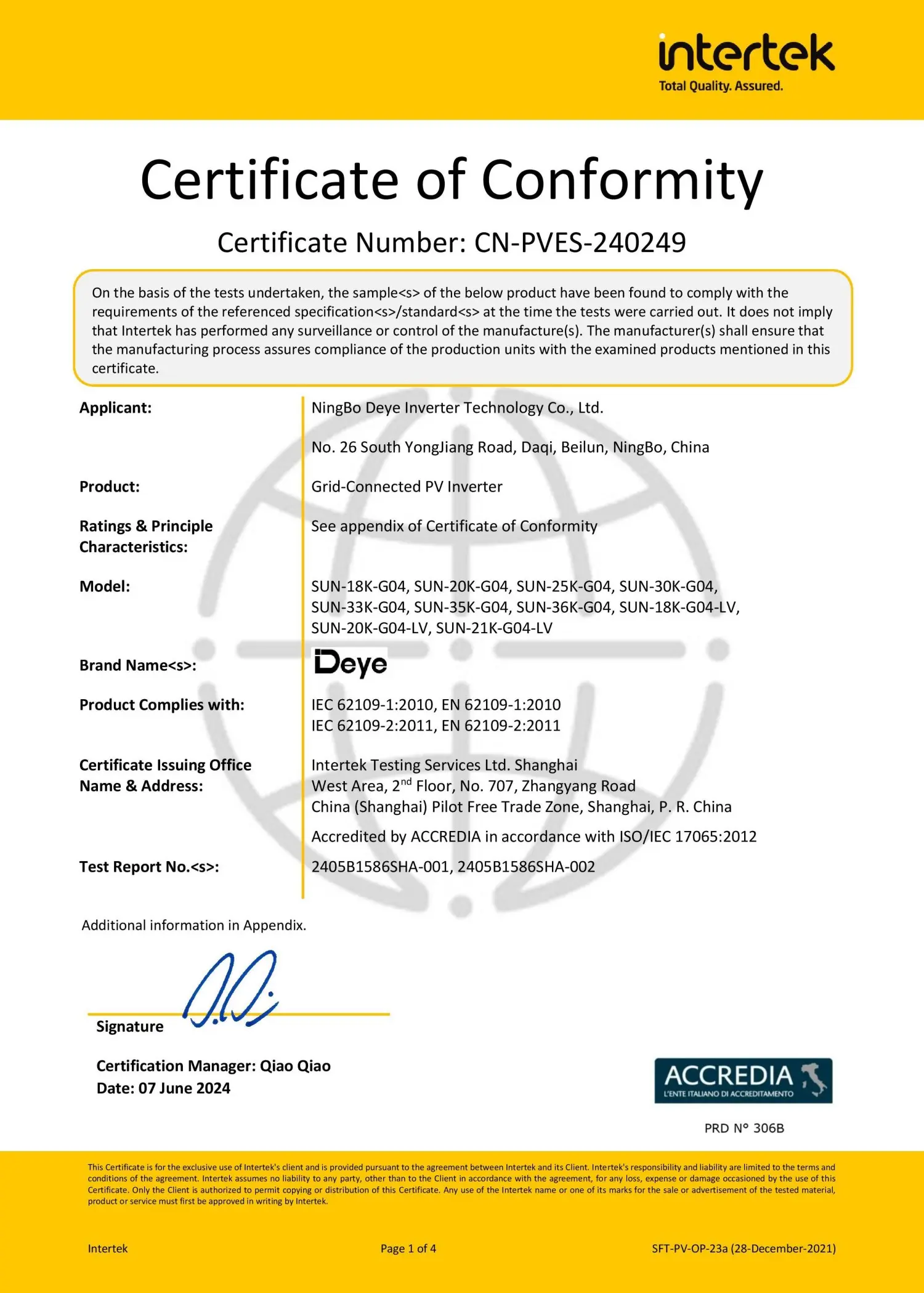
To succeed globally, renewable energy components must comply with a complex web of regional grid codes, safety directives, and environmental certifications.
Our engineering team works closely with international certification bodies like TÜV Rheinland, UL, and CE. We update our products to meet standards such as UL 1741, IEEE 1547, and Germany’s VDE-AR-N 4105. This ensures our flat solar panels and hybrid storage solutions connect quickly and safely to local distribution networks.
We also provide remote and on-site technical support to help you configure energy storage systems and commission high-capacity string inverters.
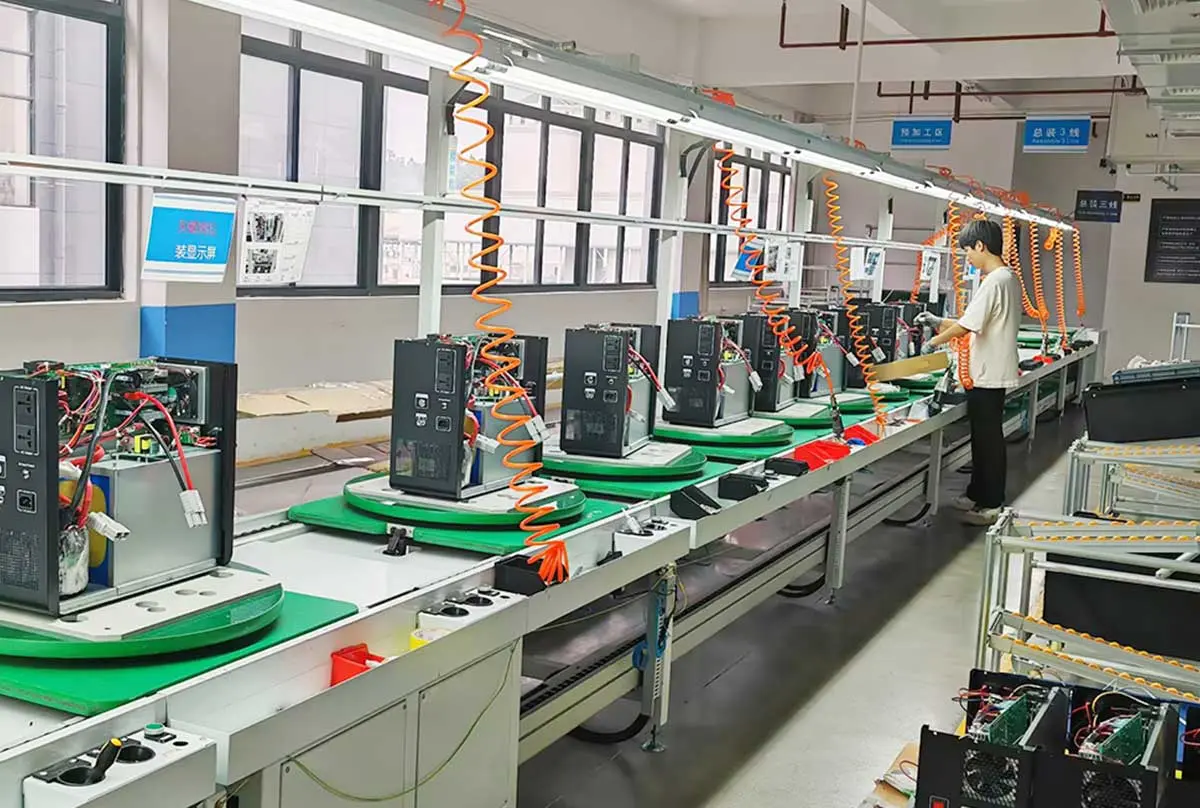
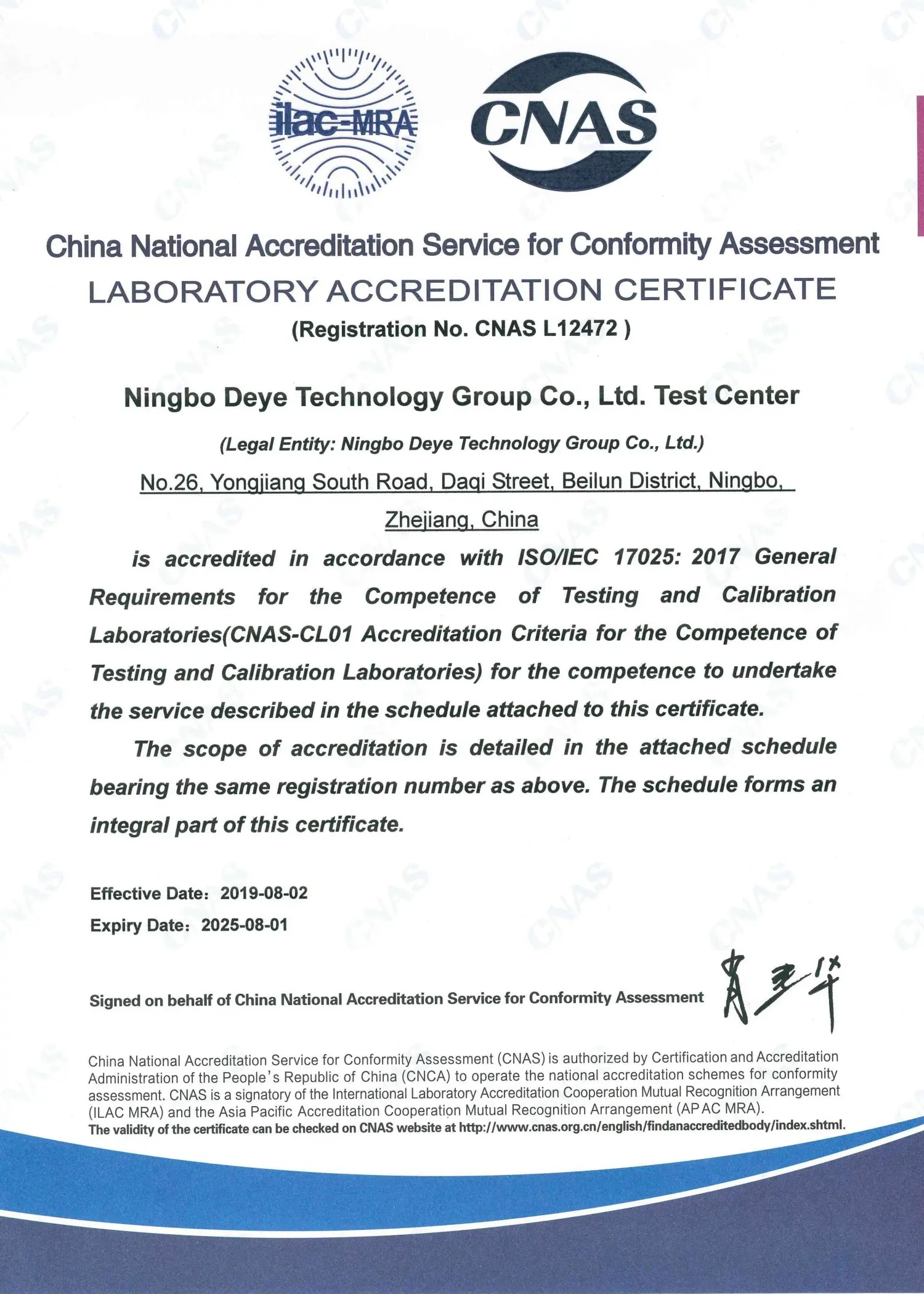
Our panels, inverters, and battery systems are certified to meet international standards for quality, reliability, safety, and efficiency.


















Get detailed answers about custom designs, engineering standards, and manufacturing schedules.
Ensuring complete hardware harmony across generation, management, and long-term storage assets.
 MH Energy