Explore our Tier-1 manufactured components, integrating smart transfer switches, battery storage inverters, and high-efficiency solar modules.
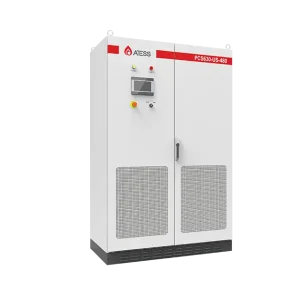
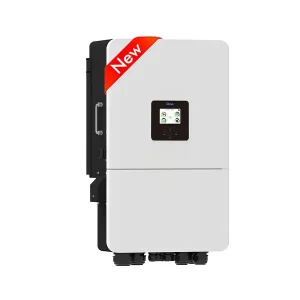
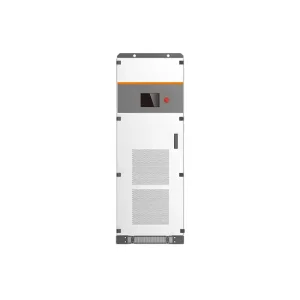
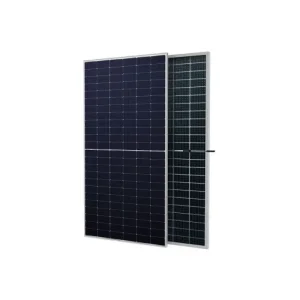
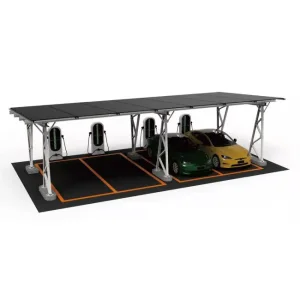
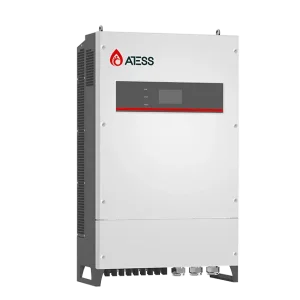
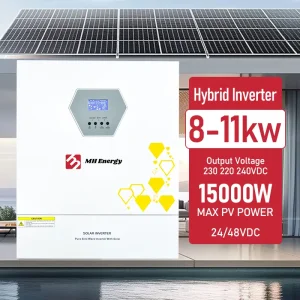
Global energy networks are undergoing a foundational transformation. The traditional separation between solar photovoltaic (PV) generation, energy storage, and industrial consumption is collapsing. To satisfy modern dispatchability requirements, modern systems rely on centralized Power Conversion Systems (PCS) equipped with dynamic bidirectionality.
At the center of this technological leap is the integration of wide-bandgap semiconductors (such as Silicon Carbide/SiC and Gallium Nitride/GaN) that optimize thermal dissipation, reduce switching losses, and enable space-saving form factors. Whether deploying a hybrid system with off-grid capability, or configuring a high-capacity liquid-cooled utility system, procurement officers must balance efficiency against Levelized Cost of Storage (LCOS).
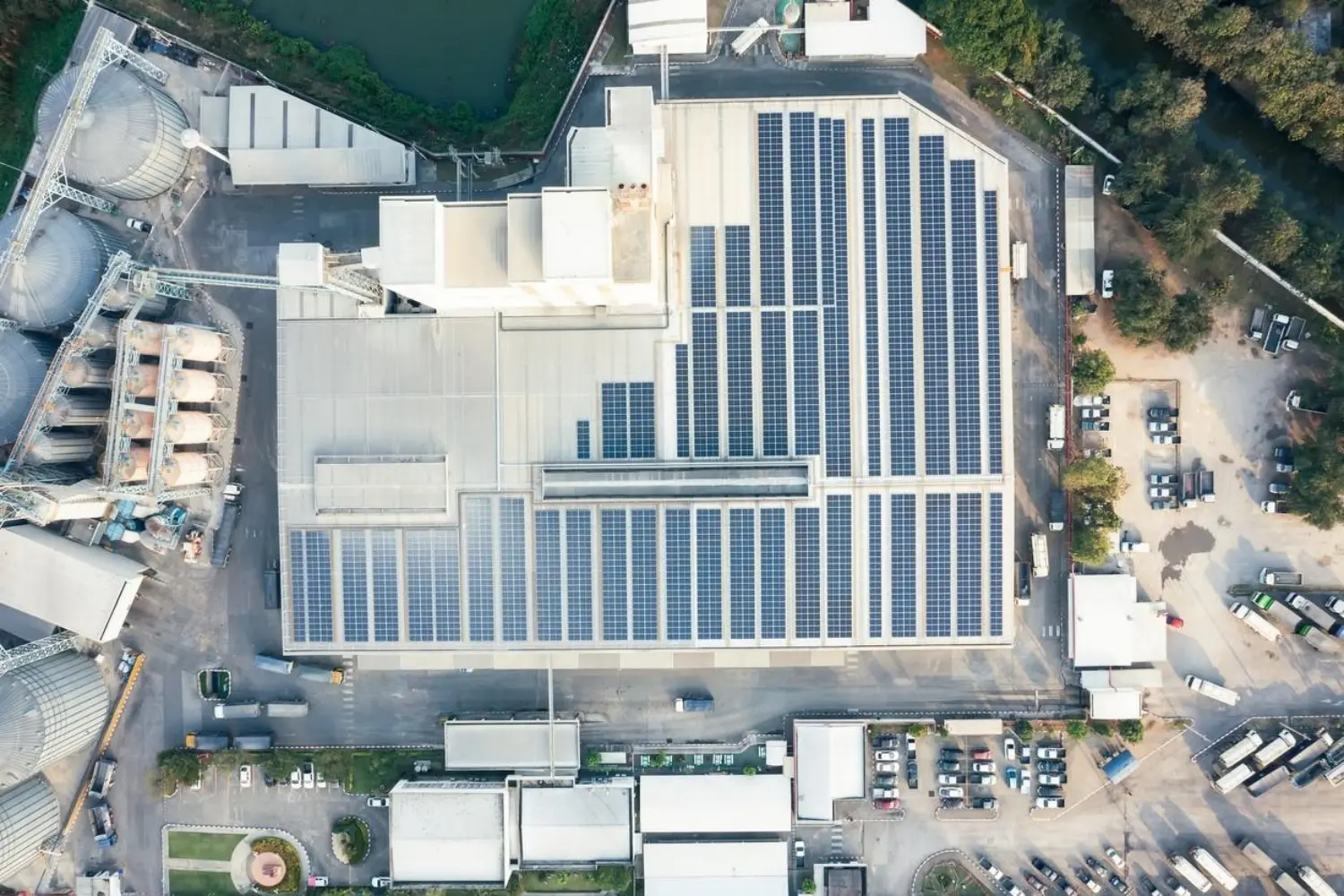
Our global operations, manufacturing scale, and engineering capacities demonstrate our commitment to project reliability.
How utility companies, engineering firms, and industrial developers mitigate procurement risks through standardized product specification.
Global grids demand compliance with local standards like IEEE 1547 and UL 1741. Our systems are engineered to prevent micro-grid isolation faults while offering rapid shutdown capabilities, automatic bypass safety logic, and insulation tracking.
Whether operating in desert solar fields at 55°C ambient temperatures or high-humidity marine installations, custom thermal controls including intelligent liquid-cooling modules prevent thermal derating and protect internal electronics.
System designers target longer life cycles. The intersection of Grade-A LFP lithium battery chemistries, high charge-discharge cycle efficiency, and dual-MPPT off-grid charging maximizes return on investment (ROI) over a 15-25 year operating envelope.
Engineered systems that mitigate grid strain, handle peak-shaving, and protect critical operations against outage risks.
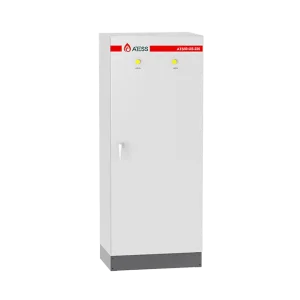
For manufacturing plants and industrial processing facilities, high peak demand charges contribute significantly to electricity costs. Our integrated energy storage solutions leverage high-capacity lithium battery stacks coupled with smart transfer switch cabinets to dynamically adjust power draws from the grid.
During peak tariff periods, the system switches to battery power, utilizing stored solar energy captured during low-demand periods. This practice, known as peak shaving, reduces monthly utility demand charges while providing a backup supply to ensure business continuity.
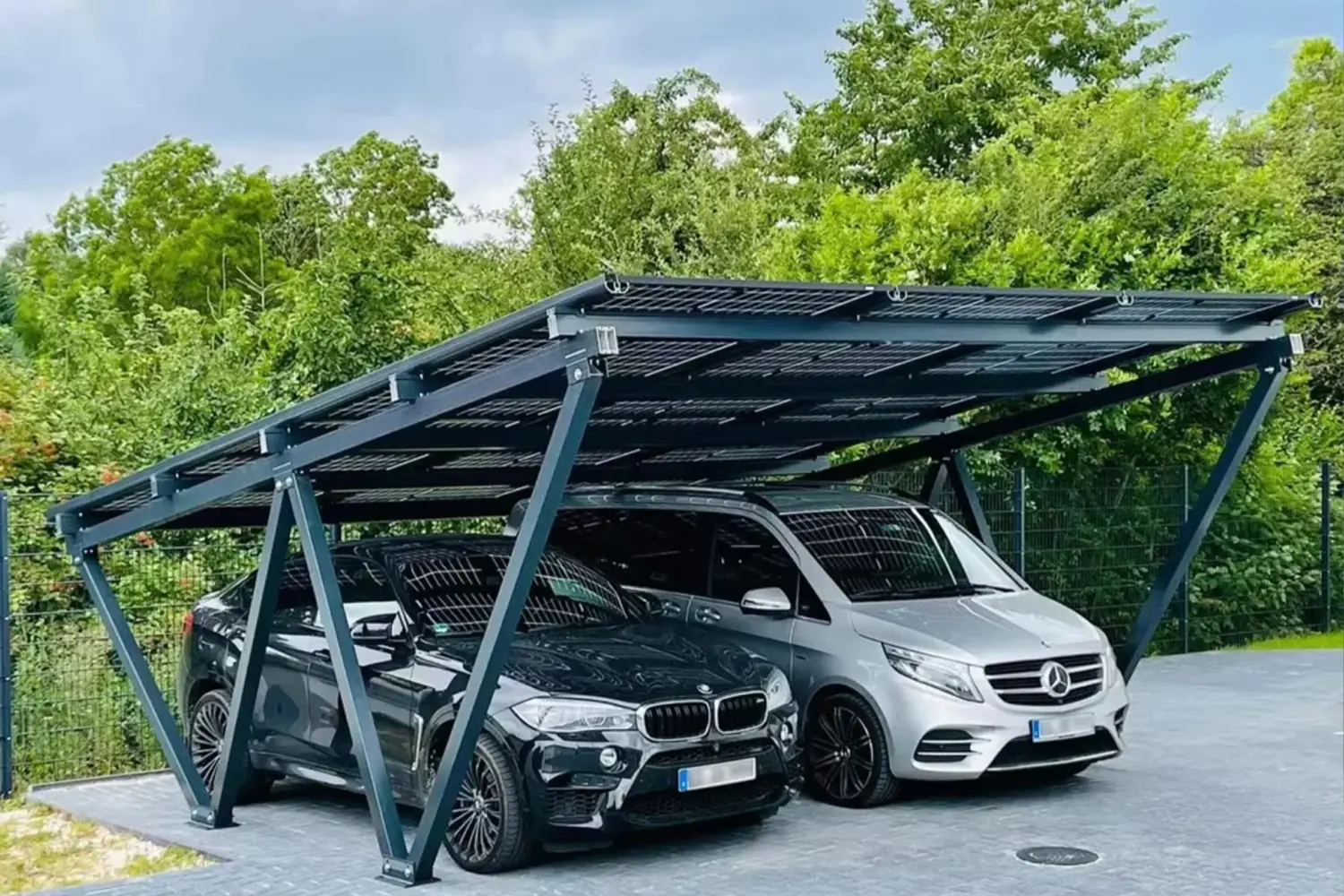
From base polysilicon processing to raw battery cell testing, we manage quality controls across the entire manufacturing cycle.
A detailed reference guide to typical system parameters and wholesale estimates across major product divisions.
| Equipment Category | Key Performance Indicators | Standard Certifications | Reference Price (FOB Base Unit) |
|---|---|---|---|
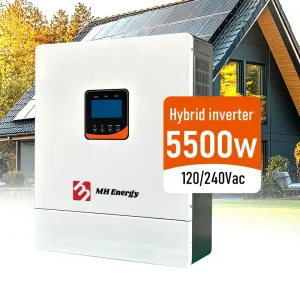
| C&I Hybrid Inverters (HPS-30K to 150K) | Dual MPPT, 208V/480V Configurable, 98.7% Max Efficiency | IEEE 1547, UL 1741, CE, TUV | Contact Procurement for Quote |
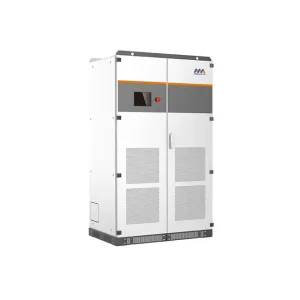
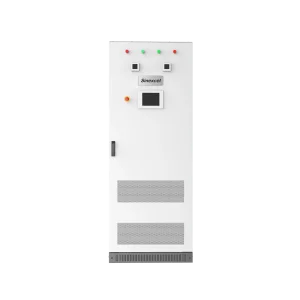
| High-Power PCS Cabinets (PCS100 to PCS1000) | Liquid-Cooled, Bidirectional Active Rectifier, Fast Response (<5ms) | CE, IEC 62109, Grid Code Compliant | Contact Procurement for Quote |
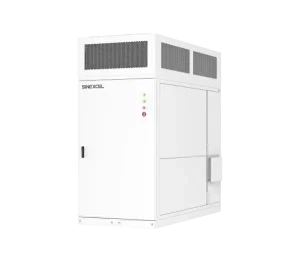
| C&I ESS Containerized Systems (20ft / 40ft) | Liquid cooling, Integrated BMS, Fire Suppression (NFPA 855) | UL 9540, UL 9540A, CE | Contact Procurement for Quote |
| Smart Bypass / ATS Switches | 50A to 150A Bypass capability, 220V Split Phase configuration | UL 1008, CE | Contact Procurement for Quote |
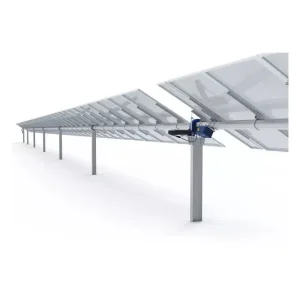
| N-Type TOPCon Mono Bifacial Panels | 550W - 700W+, Bifaciality up to 85%, Low LID Degradation | IEC 61215, IEC 61730, CE, TUV | Contact Procurement for Quote |
Inside our production facilities: how we maintain quality control, precision testing, and volume output.
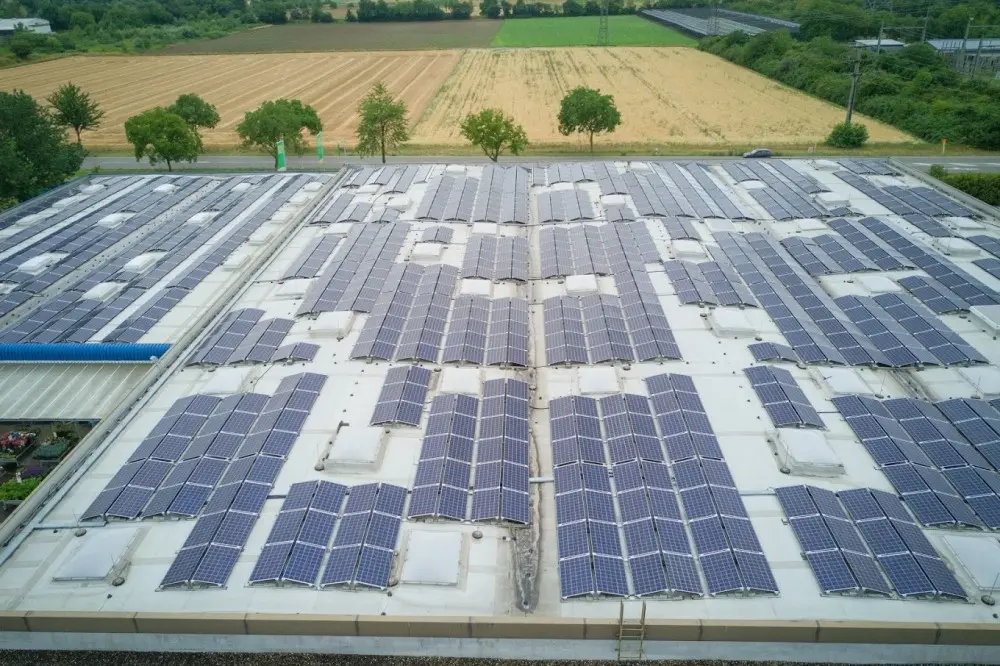
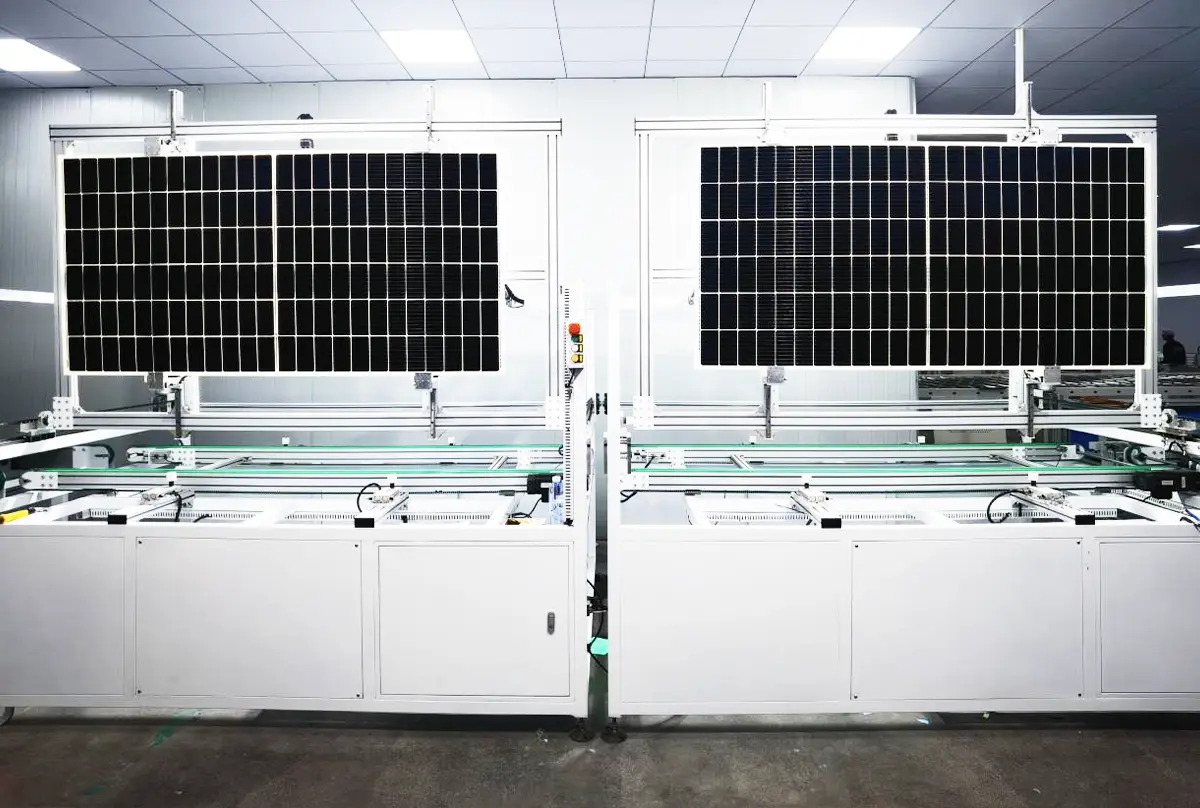
Our solar cell assembly facility utilizes automated stringer systems, multi-busbar technology, and advanced non-destructive cutting techniques. These methods reduce micro-crack risks and optimize active cell area efficiency. Every module undergoes double EL (Electroluminescence) testing to check for micro-defects prior to final lamination.
By leveraging TOPCon half-cell technologies, our panels maintain low temperature coefficients (-0.30%/°C), providing consistent energy generation even under intense heat loads. This stability enhances long-term ROI for commercial solar parks and utility-scale grid arrays.
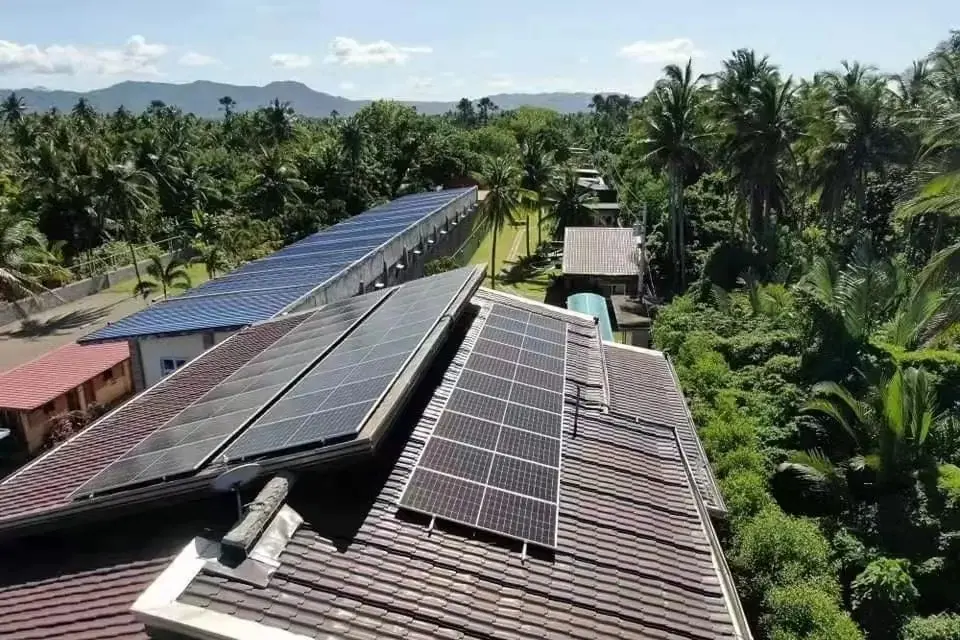
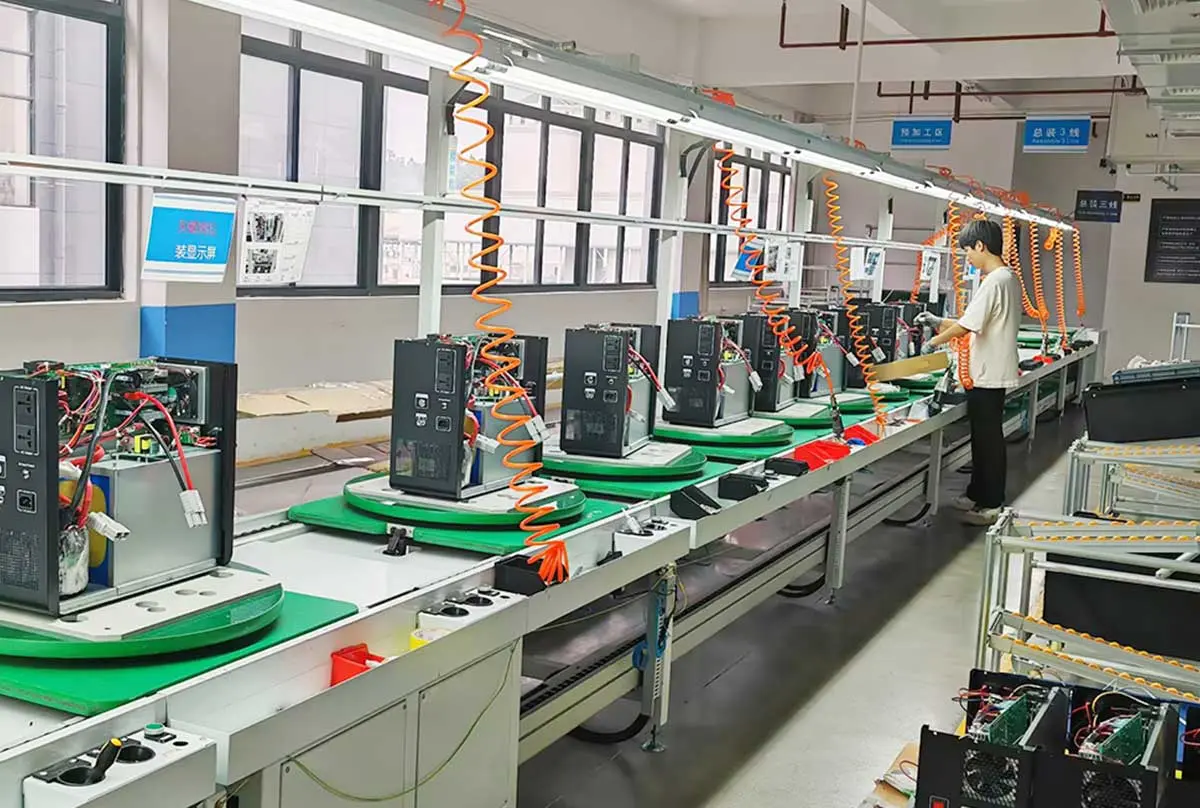
Modern inverters require stable grid synchronization. Our assembly plant focuses on DSP control platforms that execute MPPT tracking algorithms. High-power multi-level circuit designs help lower harmonic distortion (THD < 3%) and manage voltage fluctuations.
By integrating active thermal management, our solar and energy storage inverters operate reliably under high load conditions. The control boards are protected by a thick conformal coating, preventing damage from dust and humidity in harsh industrial environments.
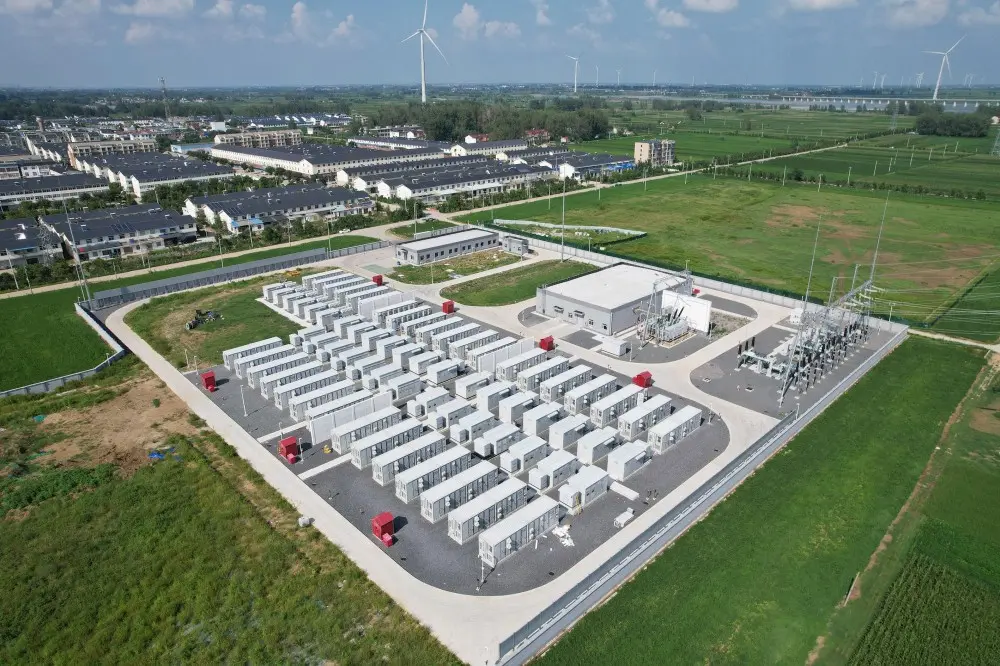
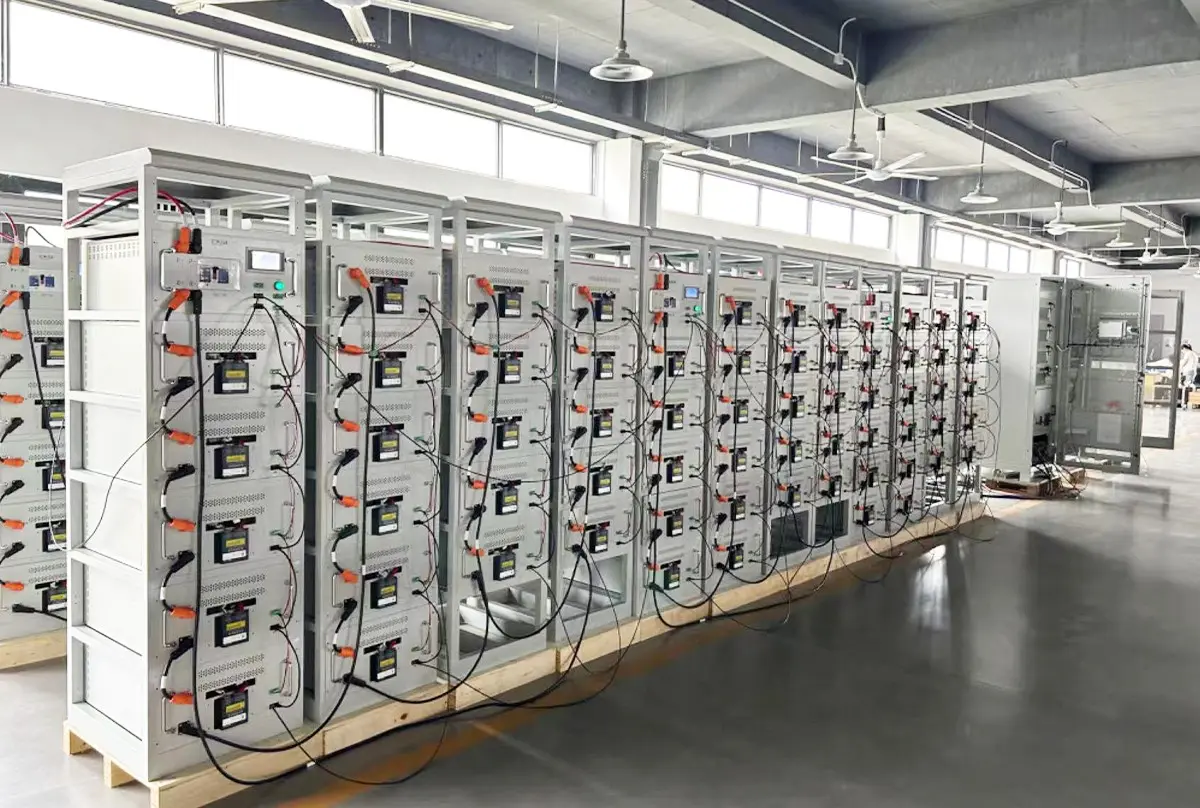
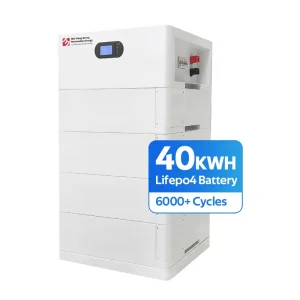
Safety is the primary metric for battery energy storage. Our manufacturing lines assemble high-density lithium iron phosphate (LiFePO4) prismatic cells into module groups, which are then integrated with a multi-level Battery Management System (BMS).
The BMS tracks cell temperatures, voltage balancing, state of charge (SoC), and state of health (SoH). If values deviate from safety limits, the system disconnects the affected module block via solid-state relays, keeping the rest of the installation operational.
Deploying energy infrastructure requires adherence to local electrical regulations and grid standards. Our manufacturing lines hold global safety certifications, verifying compliance across multiple regions.
We supply engineering documents, test data, and localized installation support to help speed up project commissioning and interconnection approvals. Our team of support engineers is available to assist with setup and system optimization.
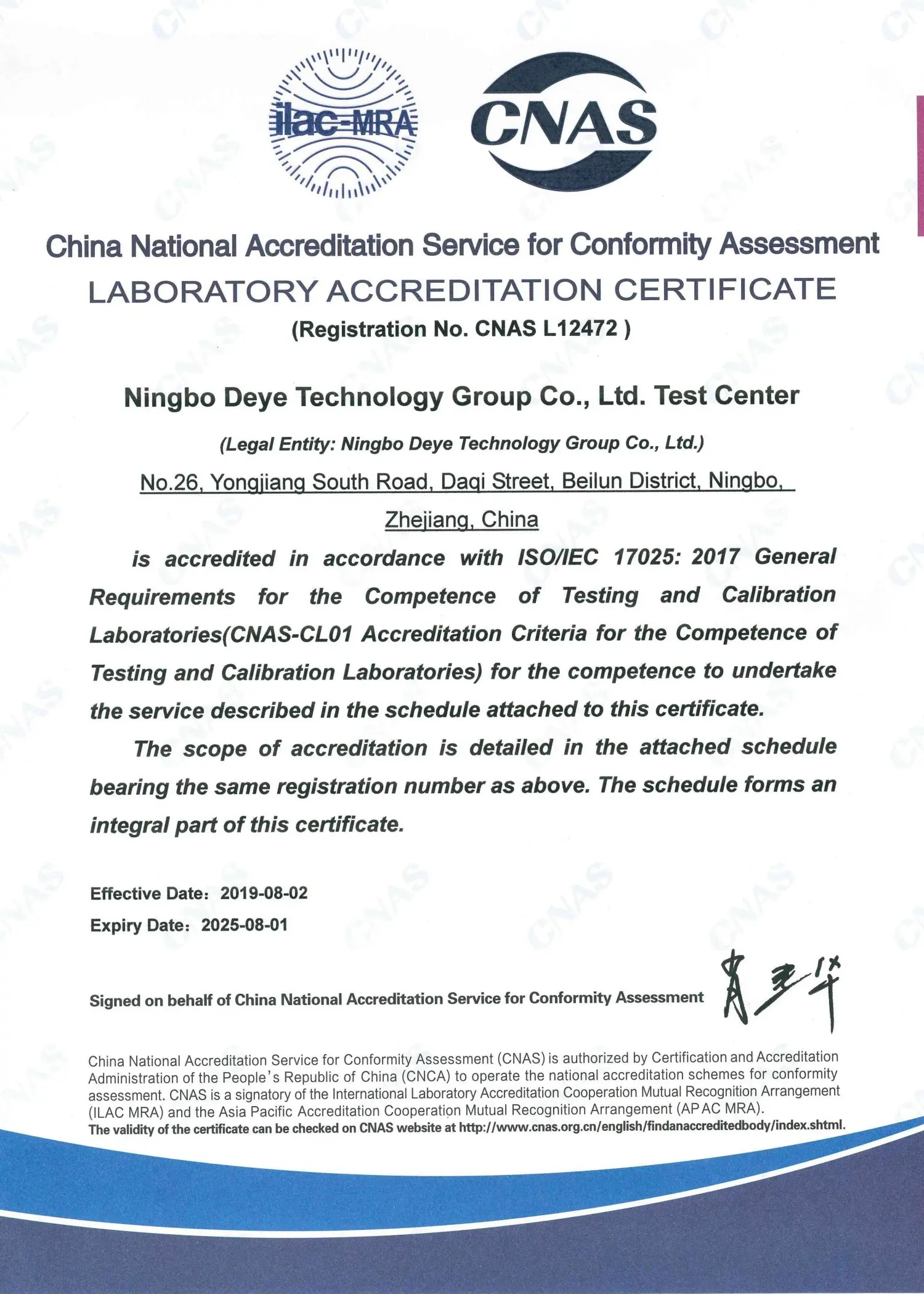

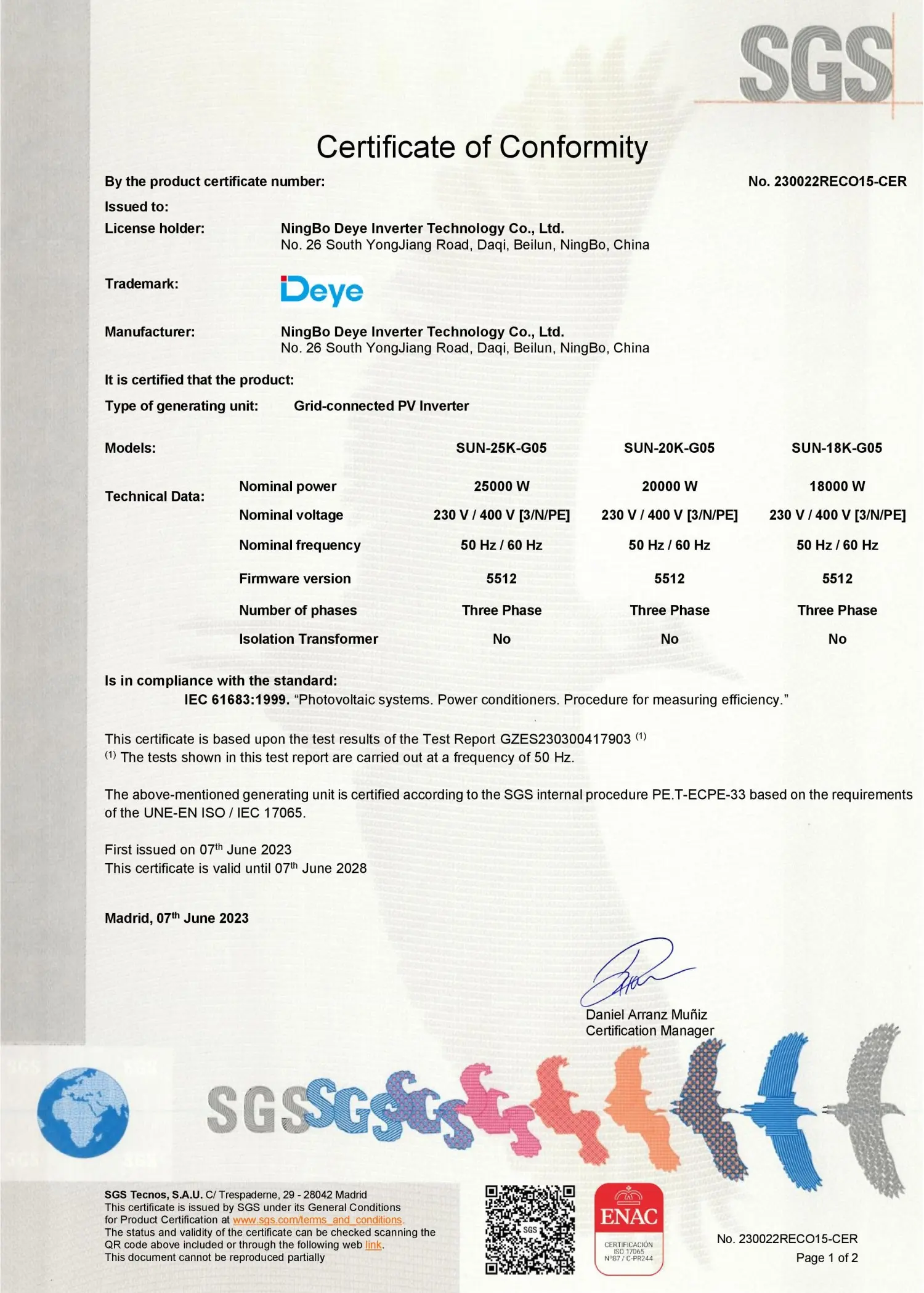
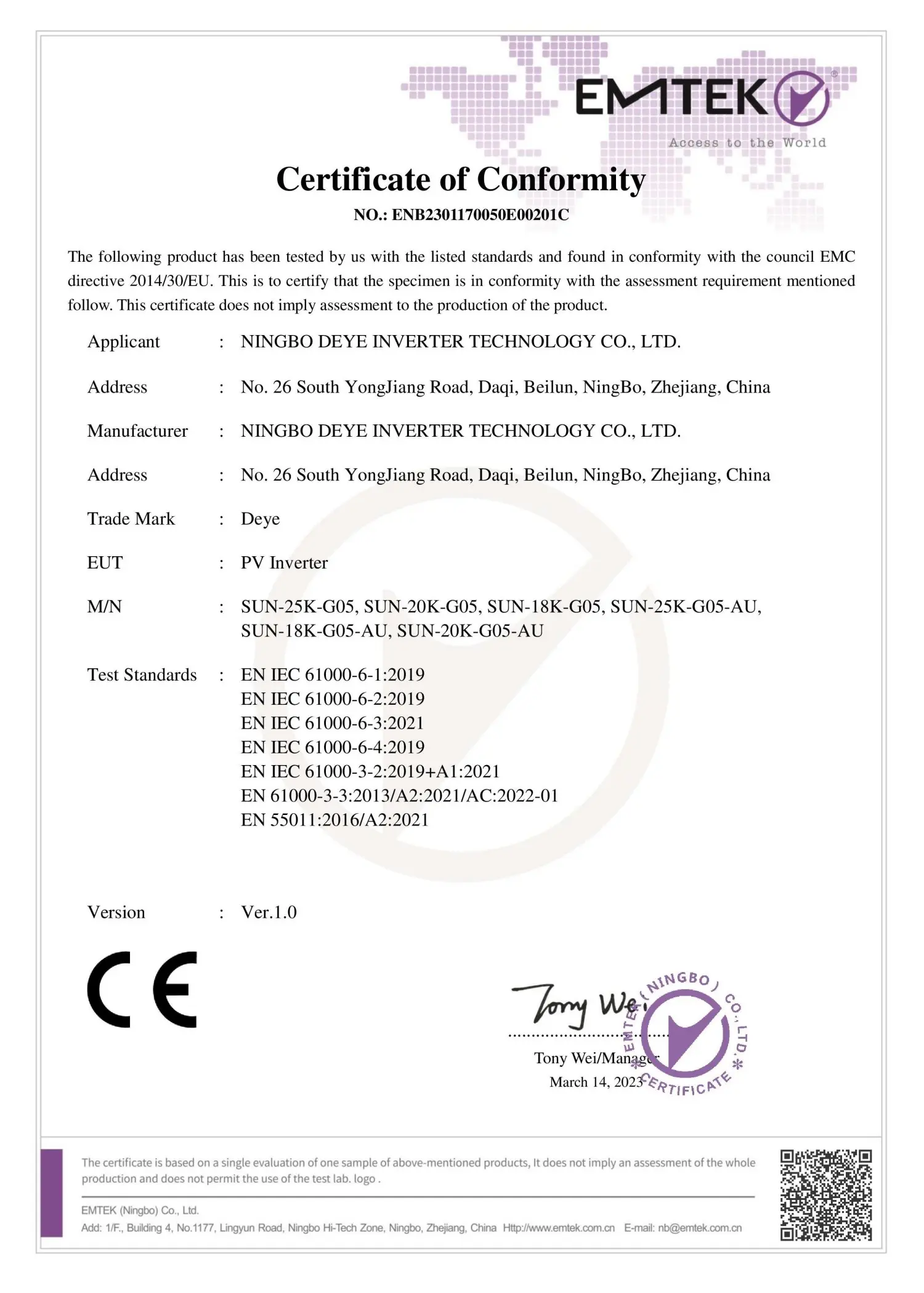

Building reliable energy networks together. We collaborate with international industry partners to deliver stable energy installations.


















Where power electronics are heading: intelligence, grid integration, and dynamic load control.
By transitioning key product topologies to Silicon Carbide (SiC) modules, our engineers aim to increase switching speeds and reduce thermal loads, leading to smaller footprints and higher power density.
Future iterations of our energy storage solutions will feature predictive EMS software that uses local weather forecasts and historical tariff trends to optimize charge-discharge profiles.
We are integrating bidirectional charging protocols into our residential and industrial inverters, preparing our power systems to interface with commercial EV fleets as backup power resources.
Technical details, purchasing terms, and system configuration guidelines.
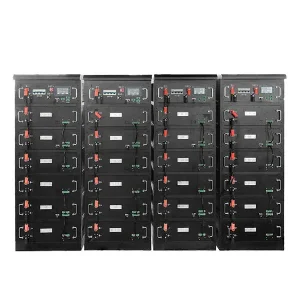
Complete your design with modular liquid-cooled cabinets, advanced battery stacks, and mounting hardware.
 MH Energy