In the transition towards distributed energy architectures, micro solar panels have emerged as critical building blocks for low-power generation, IoT deployment, sensor networking, and remote telemetry. Unlike utility-scale solar projects, micro solar design requires ultra-high customizability, robust material engineering, and precise voltage outputs to survive in diverse and harsh outdoor environments.
As a leading vertically integrated solar energy manufacturer, MH Solar Energy integrates the entire clean tech value chain. From the cleanroom assembly lines of custom micro PV modules to high-capacity hybrid solar inverters and lithium iron phosphate (LiFePO4) energy storage batteries, our factories provide global enterprise procurement agents, hardware engineers, and systems integrators with complete off-grid power solutions. Operating with a 10GW annual PV manufacturing capacity, we synthesize efficiency, precision engineering, and rigorous compliance to satisfy evolving global energy demands.
Tailored solar and energy solutions designed to cut utility expenditure, ensure grid autonomy, and power your commercial, industrial, or residential facilities.
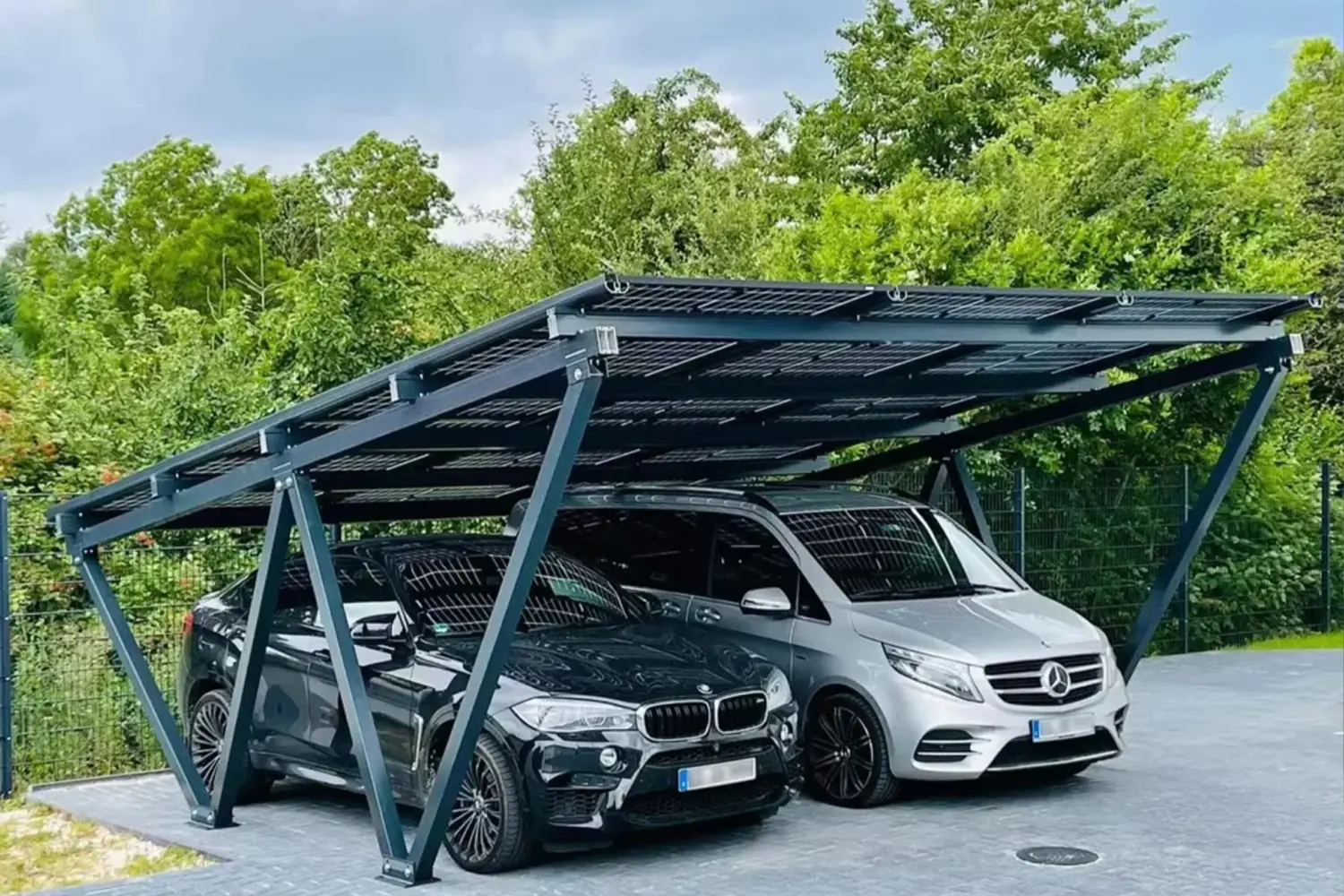
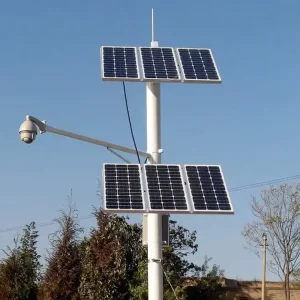
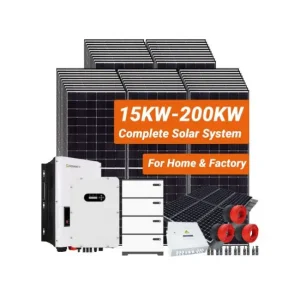
Off-grid systems act as standalone power stations in isolated regions where grid extension is physically impossible or financially unviable. Our off-grid solutions rely on high-efficiency monocrystalline PV modules coupled with smart, parallel-functioning off-grid inverters. These architectures guarantee continuous power loop availability for remote residential homesteads, mobile field telecommunication nodes, and smart agricultural hubs.
By using grade-A half-cell PERC or TOPCon bifacial modules, residential systems realize optimized performance even in limited spaces and low-light environments. The bifacial properties enable energy generation from the rear side, maximizing power output by up to 25% depending on the surface albedo.
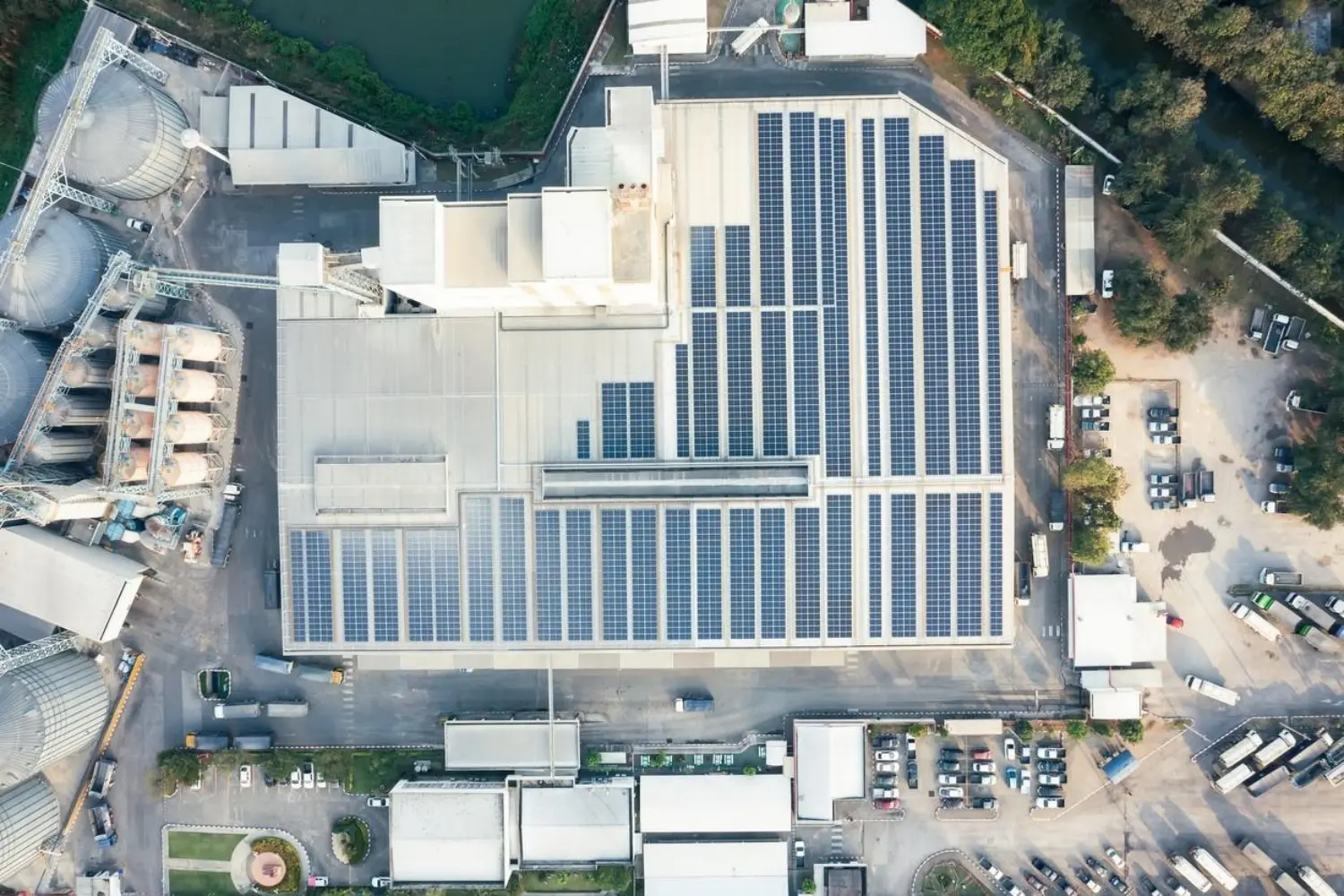
Excessive electricity costs challenge manufacturing enterprises, which require high energy consumption. Addressing this involves ensuring daily electricity needs are met with energy conservation and emission reduction. Solar energy systems provide a solution. Installing solar panels on factory roofs and integrating energy storage systems can efficiently meet electricity demands, promoting cost savings and sustainable development.
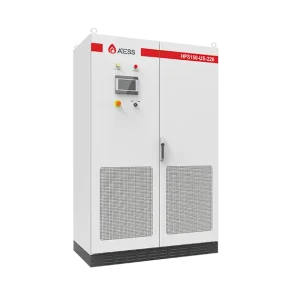
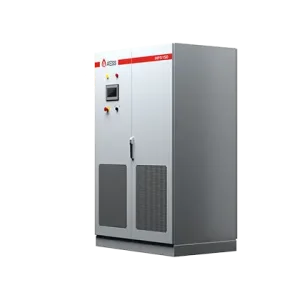
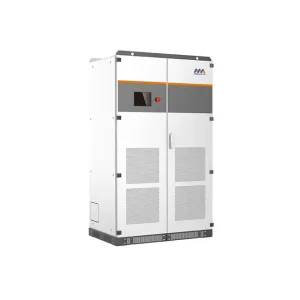
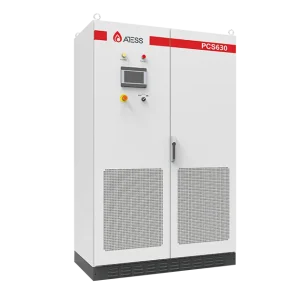
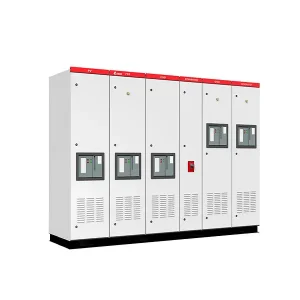
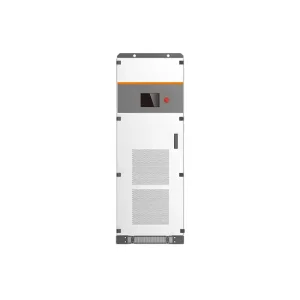
MH Solar's commercial systems utilize customized mega-series isolated power conversion systems (PCS) that safely bridge the utility grid, localized solar generation, and battery arrays, helping industries reach carbon neutrality goals while protecting factory equipment from grid harmonics and surges.
Learn More SolutionsThe manufacturing process of micro solar modules has experienced significant transformation. While traditional designs relied on standard polycrystalline cells encased in low-durability epoxy resins, modern industrial applications demand high-efficiency monocrystalline cells encapsulated with advanced materials like PET (Polyethylene Terephthalate), ETFE (Ethylene Tetrafluoroethylene), or tempered glass. These newer materials provide resistance to UV degradation, chemical exposure, and mechanical stress.
ETFE has become the industry standard for high-end micro solar designs. Due to its polymer structure, ETFE features high light transmittance (up to 95%), self-cleaning properties, and a lifespan that is double that of conventional epoxy resins. Additionally, it remains stable in extreme marine and desert environments, resisting cracking and yellowing under intense UV exposure.
As the solar cell industry transitions away from P-type PERC, the demand for N-type cell variants in the micro solar sector is growing. N-type TOPCon (Tunnel Oxide Passivated Contact) and HJT (Heterojunction Technology) technologies yield higher conversion efficiencies (typically exceeding 24.5%), lower temperature coefficients (-0.30%/°C), and virtually zero Light-Induced Degradation (LID). This shift enables smaller, more compact micro panels to generate greater power outputs per square centimeter, which is a key requirement for space-constrained IoT devices.
The future of micro solar technology lies in its integration with Internet of Things (IoT) hardware and micro-Battery Energy Storage Systems (BESS). These systems feature integrated MPPT (Maximum Power Point Tracking) charge controllers directly on the PV module's printed circuit board (PCB). This minimizes transmission line losses and allows for plug-and-play connection to sensors, municipal infrastructure, and smart monitoring electronics.
The global commercial and industrial sectors are facing volatile grid electricity prices, increasing corporate sustainability mandates, and the threat of grid instability. In regions like North America, Europe, and Australia, distributed C&I energy systems are changing from optional clean-energy projects into core risk-management tools. Businesses use localized energy generation coupled with micro-grids to offset peak demand charges and secure backup power during grid blackouts.
China is a key player in the global solar supply chain, manufacturing over 80% of the world's solar components. At MH Solar Energy, our manufacturing centers leverage this localized vertical integration to offer customers reliable pricing, prompt production runs, and rapid scale-ups.
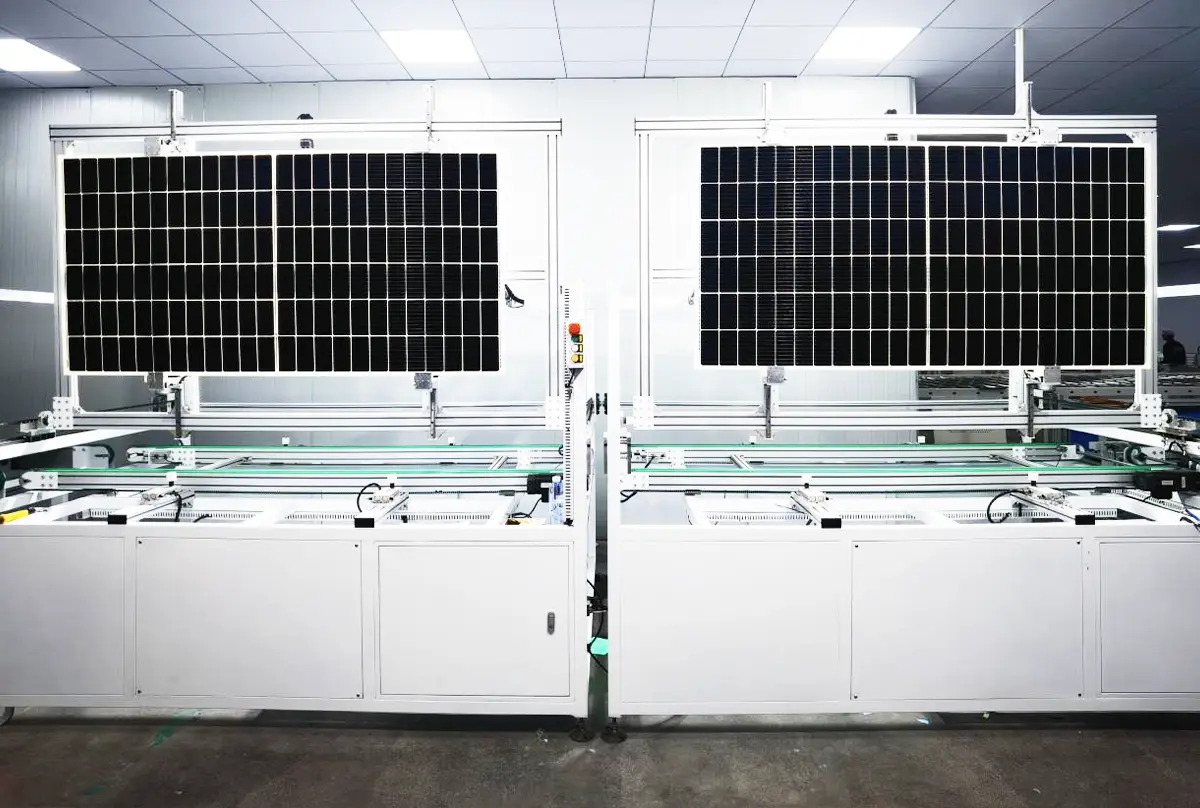
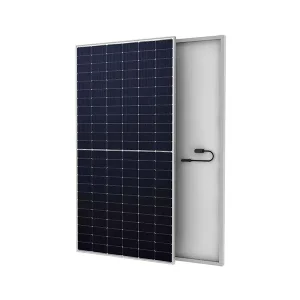
Full range type and capacity of PV modules. N type, TOPCon, P type, HJT, BC. Mono, Bi-facial. Standard size, Customized size. 400W to 700W+
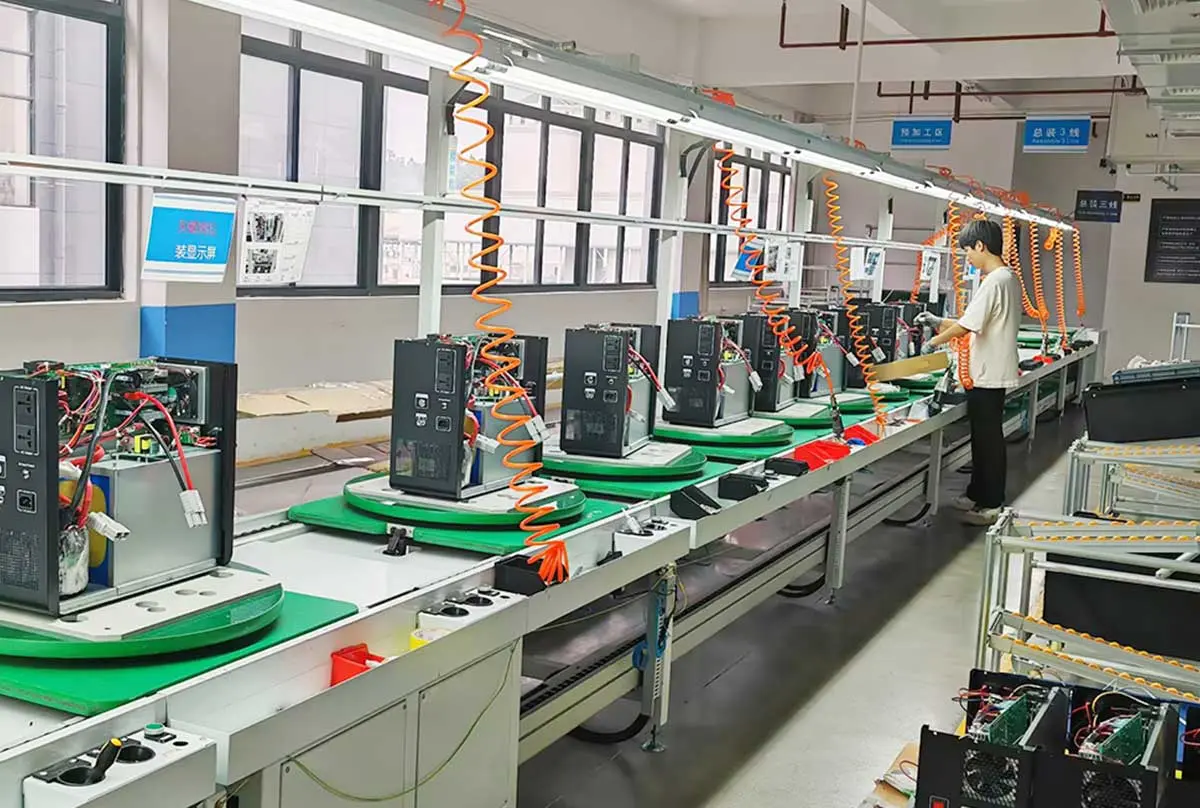
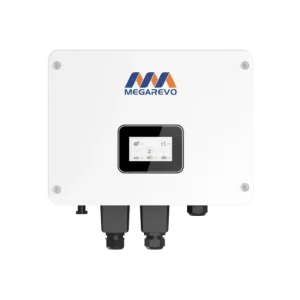
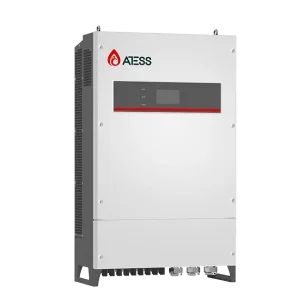
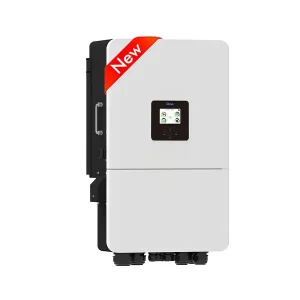
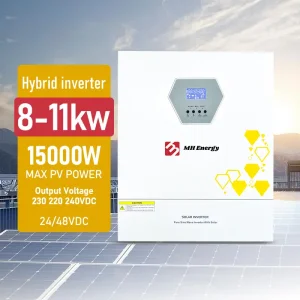
We offer high-efficiency single-phase and three-phase Solar PV, Hybrid, and Off-grid inverters ranging from 1KW to 110KW. All inverters feature integrated smart monitoring systems.
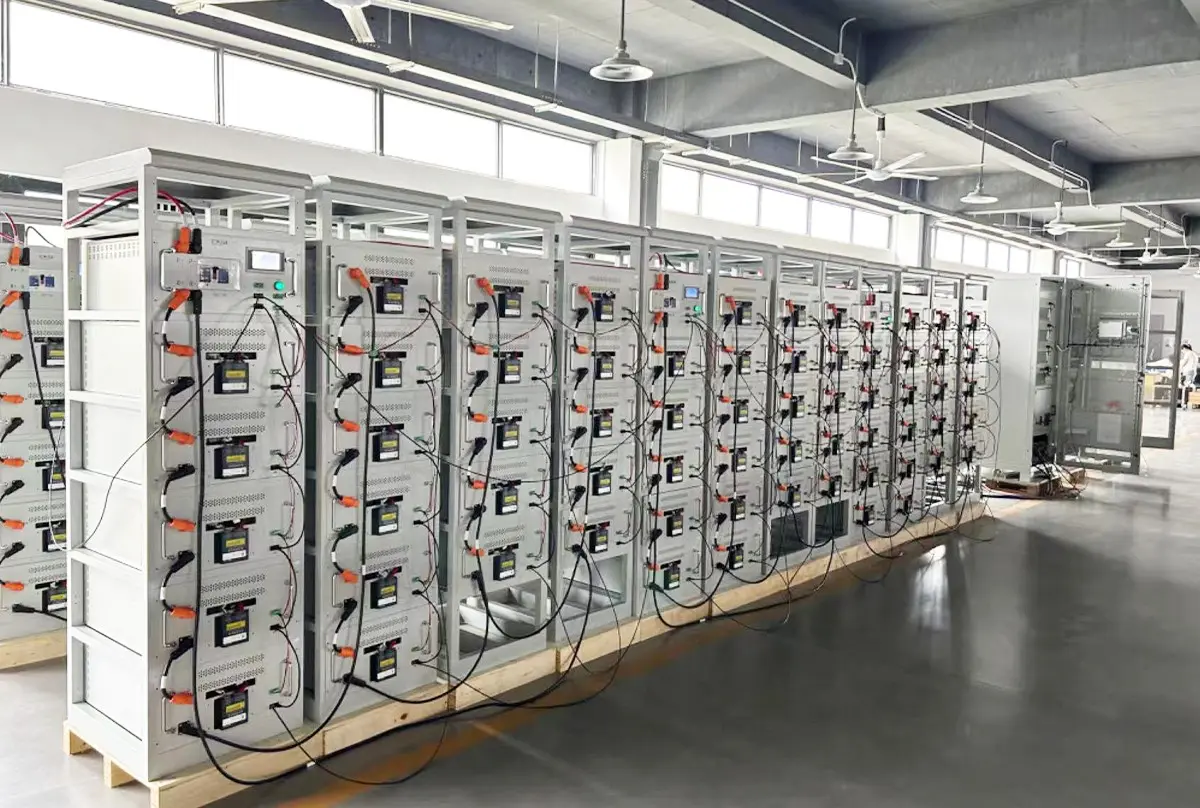
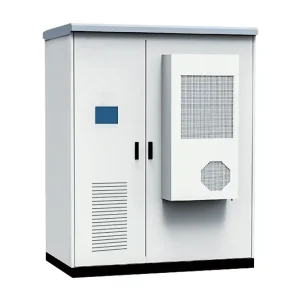
Specializing in lithium battery energy storage for residential and large-scale applications, alongside EPC integration and photovoltaic system manufacturing.
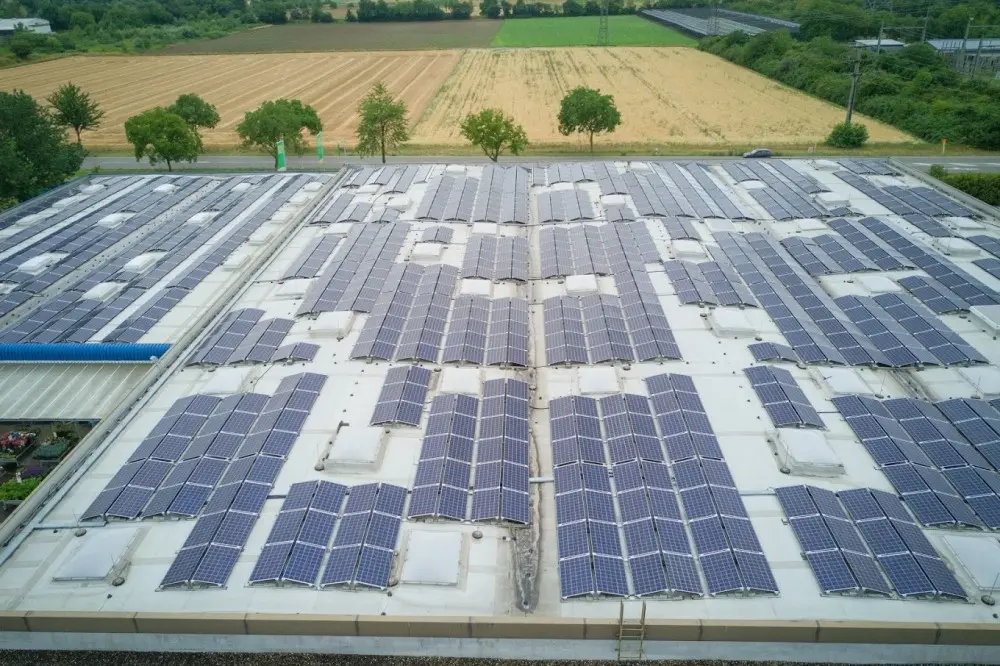
Our photovoltaic module factory, with a production capacity of 10GW per year, meets the growing demand for installations. Leveraging cutting-edge industry technologies, we lead in both PV module equipment and production. Rigorous manufacturing and testing processes ensure high-efficiency power generation, maximizing returns for our customers.
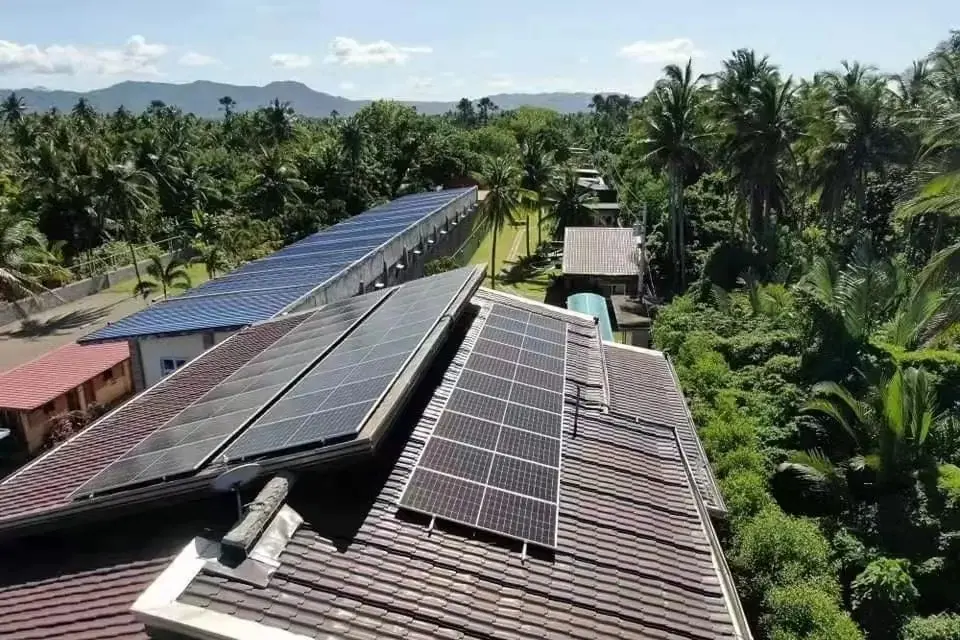
Our inverter factory provides a range of products compatible with various power levels, catering to diverse customer needs. From off-grid and hybrid systems to grid-tied systems, our inverters deliver efficient energy conversion. High compatibility ensures seamless integration with energy storage products.
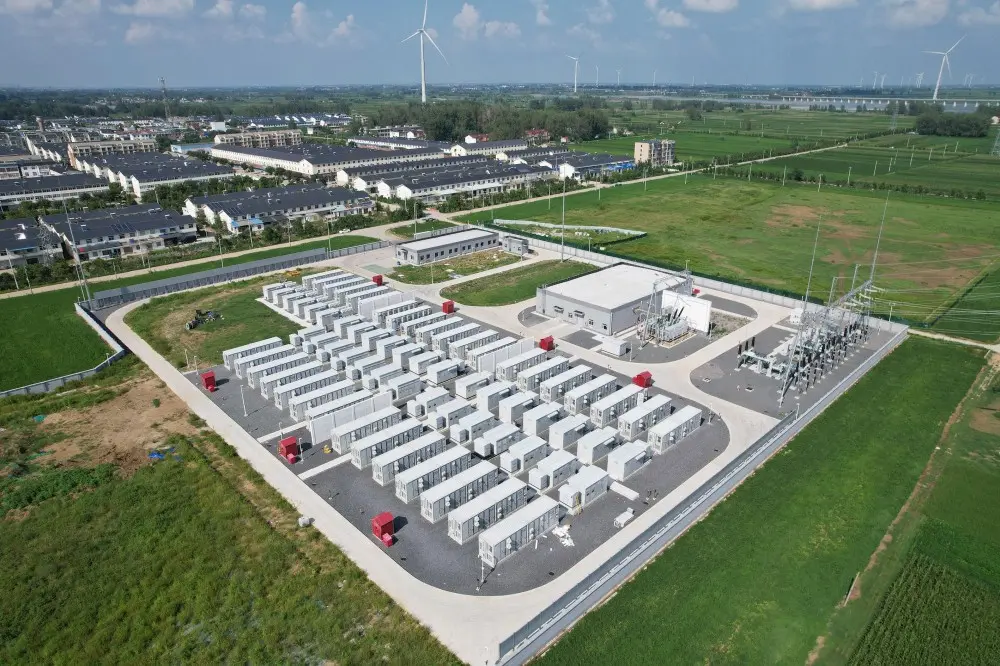
With over 20 years of expertise in the electrical industry, our industry-leading lithium battery factory boasts high-standard production lines and unique technologies to offer safe, reliable, and efficient battery solutions. From 10kWh home battery packs to 20ft and 40ft energy storage containers, our team of over 10 experienced engineers provides comprehensive system solutions, designs, and both online and on-site technical support.
We offer OEM and ODM services, not only tailored to specific projects but also to support your solar and energy business needs. Whether you require custom micro solar panels with unique voltage profiles, custom branding on residential battery enclosures, or proprietary monitoring software integration for industrial inverters, our engineers deliver tailored support from initial prototype to final production run.
Micro solar panels are key components for distributed and automated networks. Their high customizability allows engineers to optimize power outputs for localized configurations:
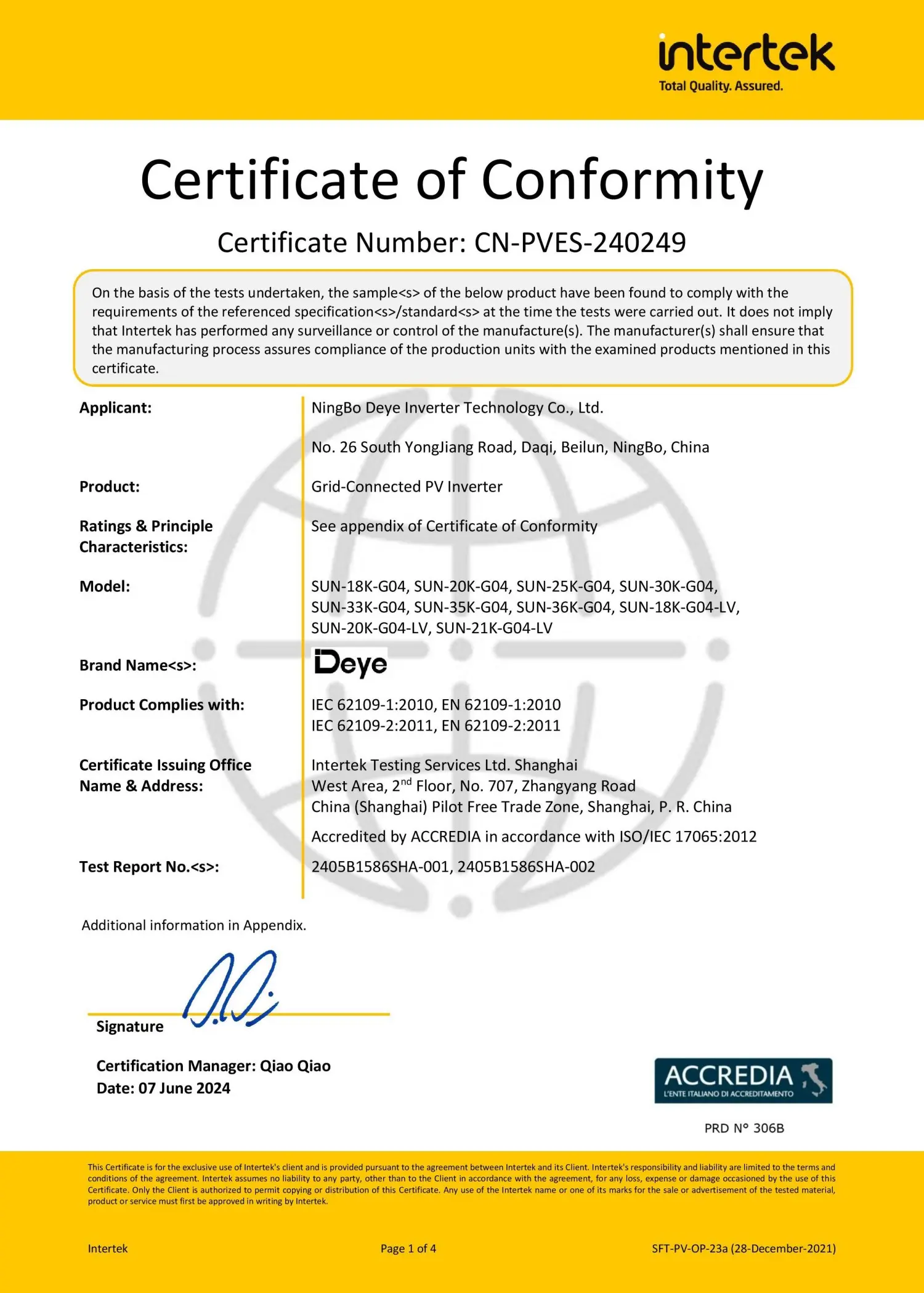
Navigating varying regional standards requires verified certifications. Our products, including PV modules, inverters, and lithium battery cabinets, are certified to meet international standards for quality, safety, and operational efficiency.
Our compliance framework includes key certifications such as CE, IEC, UL, and UN38.3. These credentials simplify customs clearance, help meet safety criteria, and facilitate project approvals from localized electrical grids and regulatory bodies.
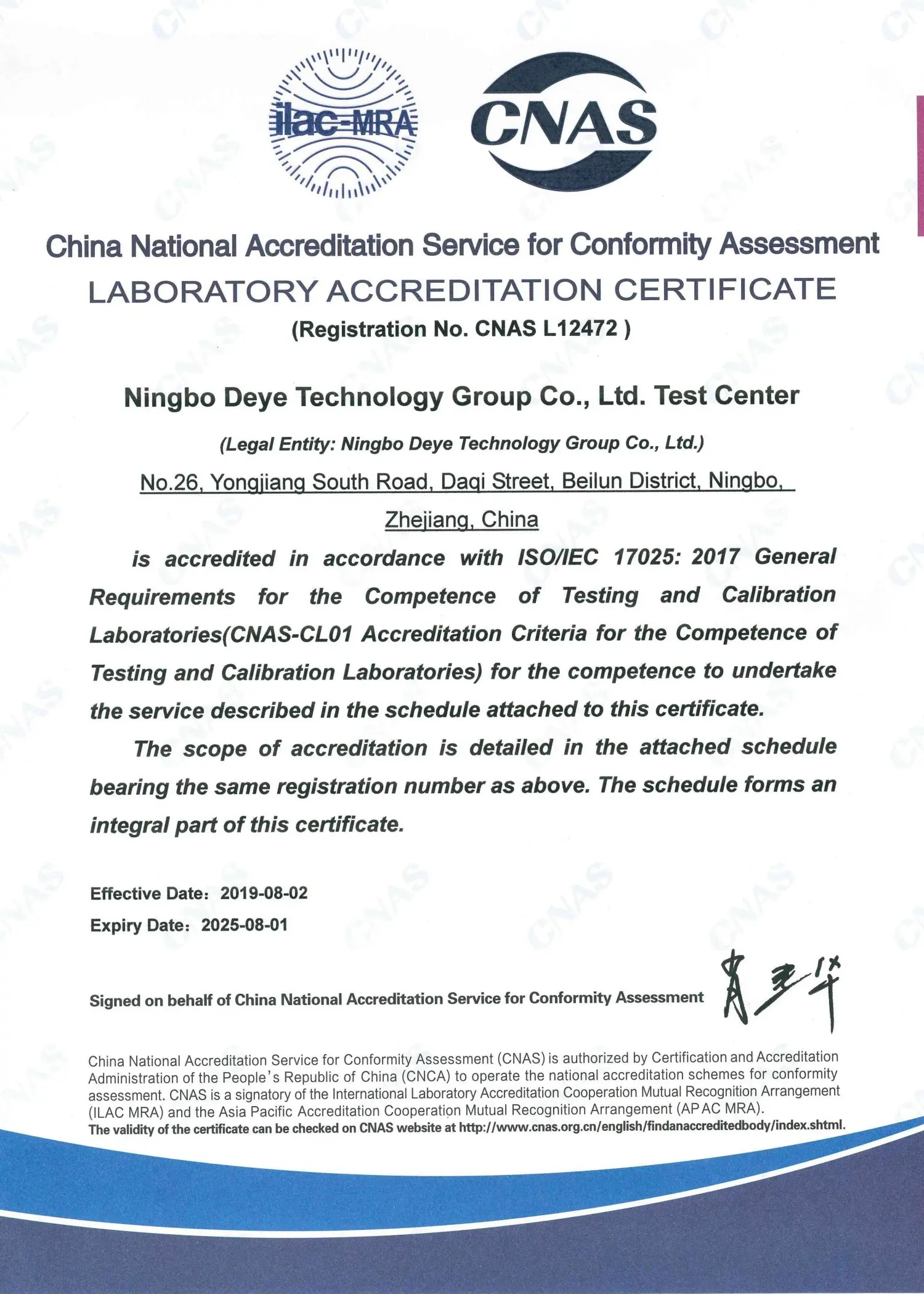
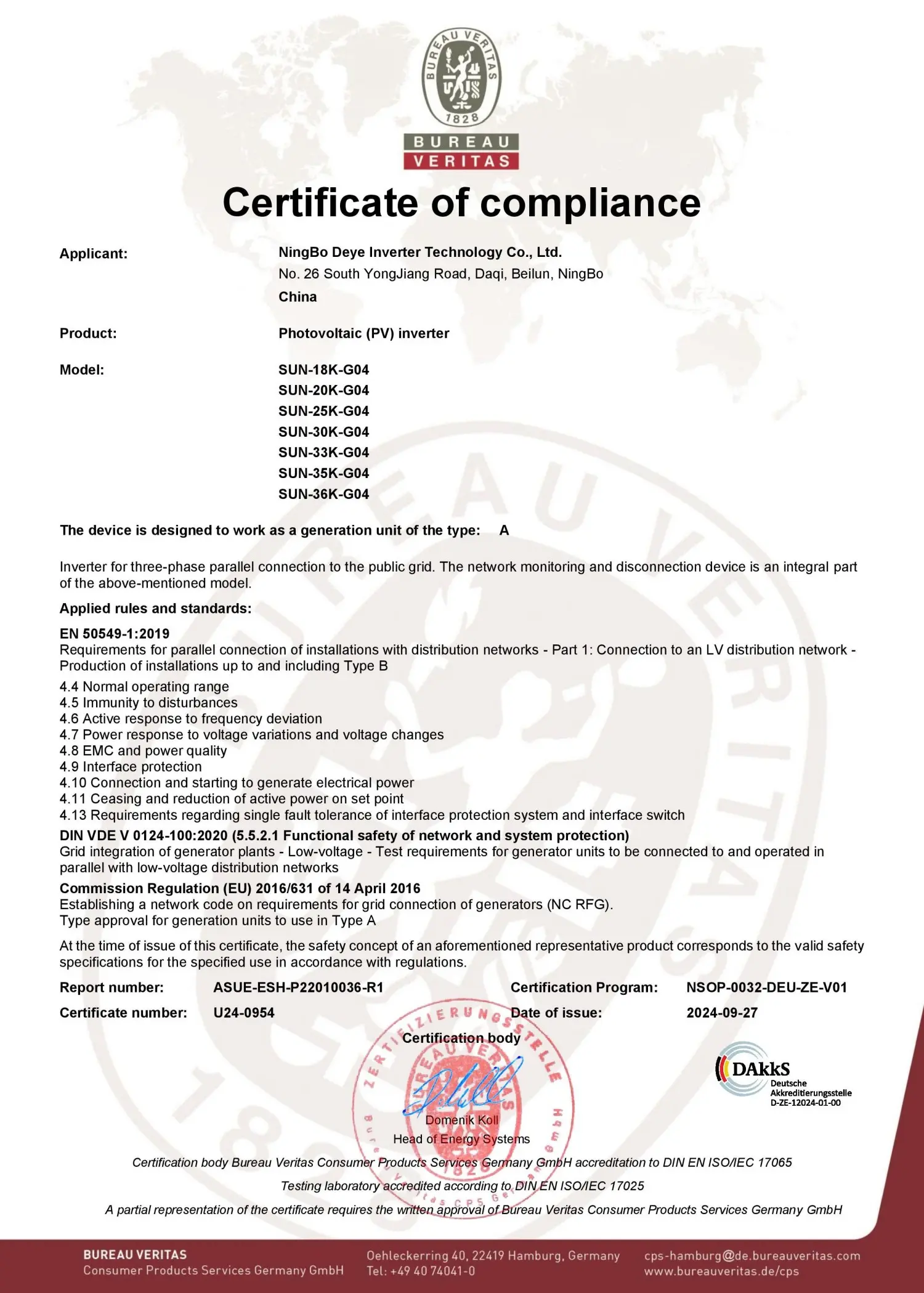
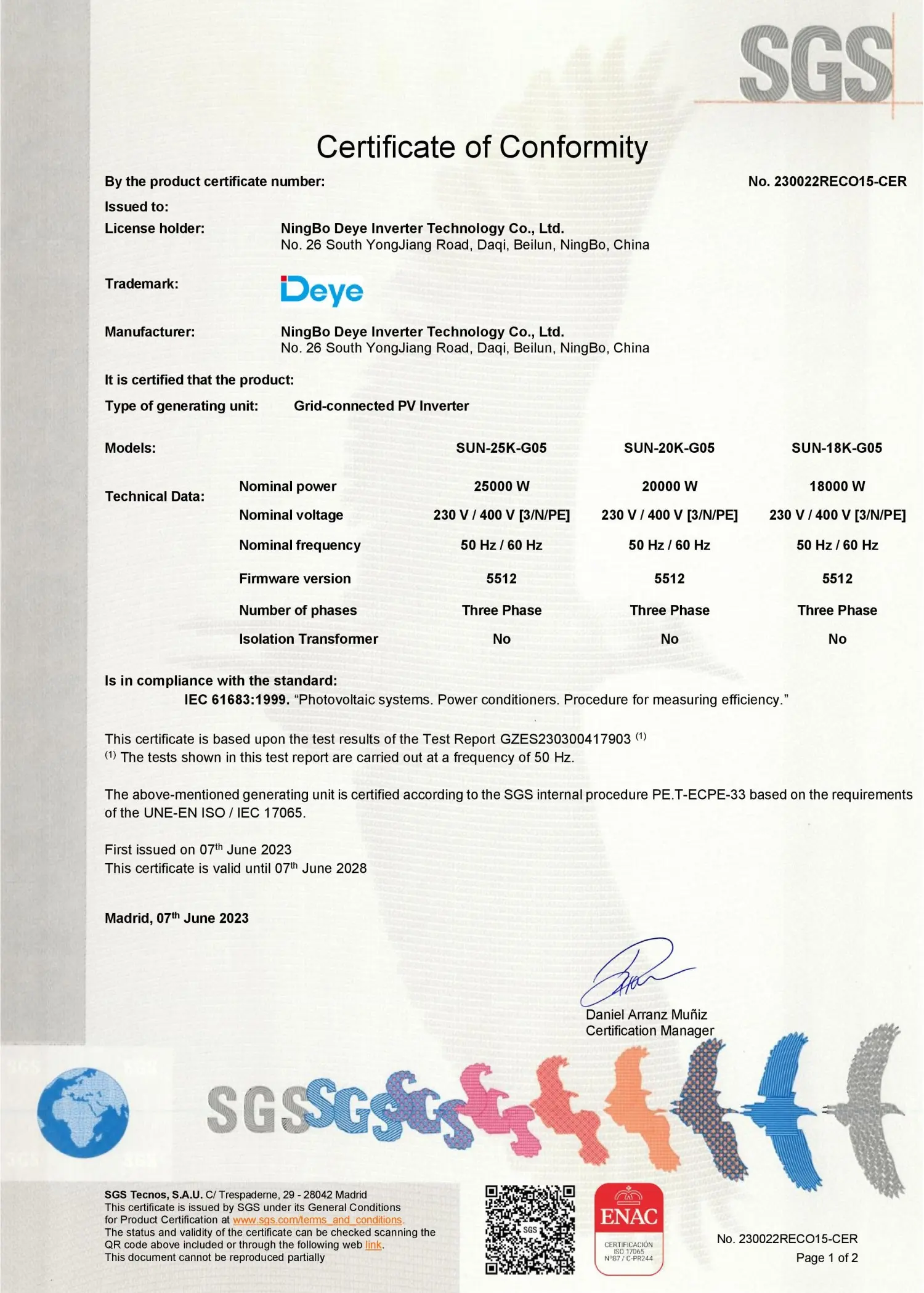
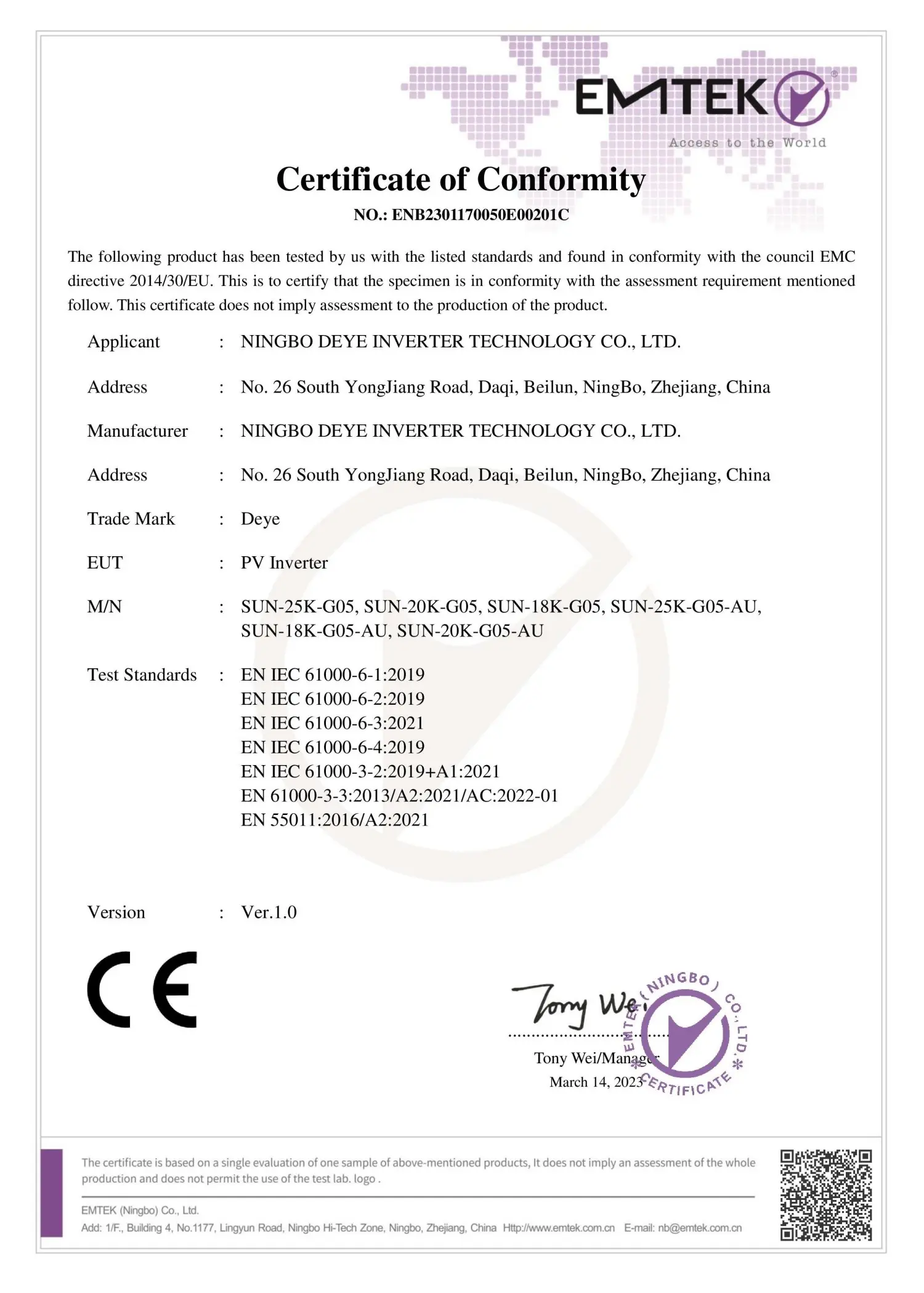
PET encapsulation utilizes a polyester film, which is cost-effective but prone to UV yellowing and degradation, typically offering a operational life of 3 to 5 years. ETFE (Ethylene Tetrafluoroethylene) encapsulation features an advanced polymer structure with light transmittance up to 95%, UV resistance, self-cleaning capabilities, and an operational lifespan of 10+ years under harsh outdoor or marine conditions.
Yes, our engineering team specializes in custom designs. We can adjust the laser-scribed cell configuration to match specific output requirements (e.g., Voc, Vmp, Isc) and design the dimensions, backing plates (PCB, FR4, or glass), and termination methods (flying leads, solder tabs, or waterproof connectors) to meet your product specifications.
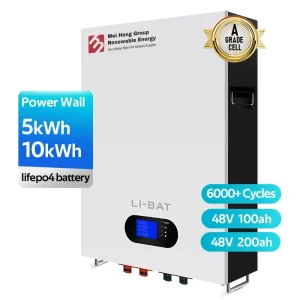
Our energy storage solutions rely on Grade A Lithium Iron Phosphate (LiFePO4) chemistry. LiFePO4 offers thermal stability, safety, and cycle lifespans exceeding 6000 cycles at 80% Depth of Discharge (DoD) before the cell capacity drops to 80% of its nominal value, compared to cobalt-based lithium-ion alternatives.
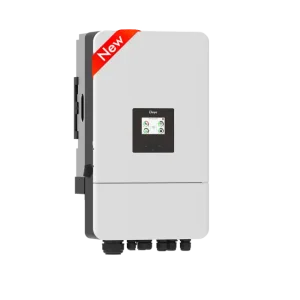
Our hybrid inverters feature dual-MPPT trackers and support parallel setups. This design allows multiple units to synchronize their phases, enabling scaling from small residential applications up to megawatt-scale industrial microgrids. They offer compatibility with both lead-acid and lithium battery systems and integrate with localized monitoring software for real-time remote diagnostics.
Every production run undergoes strict quality control. This includes visual inspections of cells, output verification under simulated sun testers (IV curve testing), and Electroluminescence (EL) imaging tests before and after the thermal lamination process. These steps help identify and exclude micro-cracks, shading issues, and electrical contact defects before shipment.
At MH Solar Energy, we believe in creating solutions that lead to a sustainable future by collaborating with reputable brands and supply chain partners.


















 MH Energy