Explore our premium factory-direct Tier-1 solar modules, high-voltage battery storage units, and intelligent hybrid inverters configured for global deployment.
The global solar energy ecosystem is undergoing a dramatic shift. Energy developers, Engineering, Procurement, and Construction (EPC) contractors, and industrial developers are moving away from older P-type PERC (Passivated Emitter and Rear Cell) technology. Instead, they are turning to advanced N-type cell structures, specifically TOPCon (Tunnel Oxide Passivated Contact) and HJT (Heterojunction Technology). This shift is driven by the search for higher power density, lower degradation, and superior temperature coefficients.
Buying from direct photovoltaic cell manufacturers and factories is no longer just about lowest cost per watt. Modern procurement strategies focus on vertical supply chain integration, technical reliability, and structural bankability. Factory capacity is critical: buyers need gigawatt-scale production lines that utilize AI-driven optical inspections, inline EL (Electroluminescence) testing, and automated cell sorting to ensure uniform quality across large product batches.
Tailored solar and energy solutions designed to lower levelized cost of energy (LCOE), enhance system reliability, and power commercial operations globally.
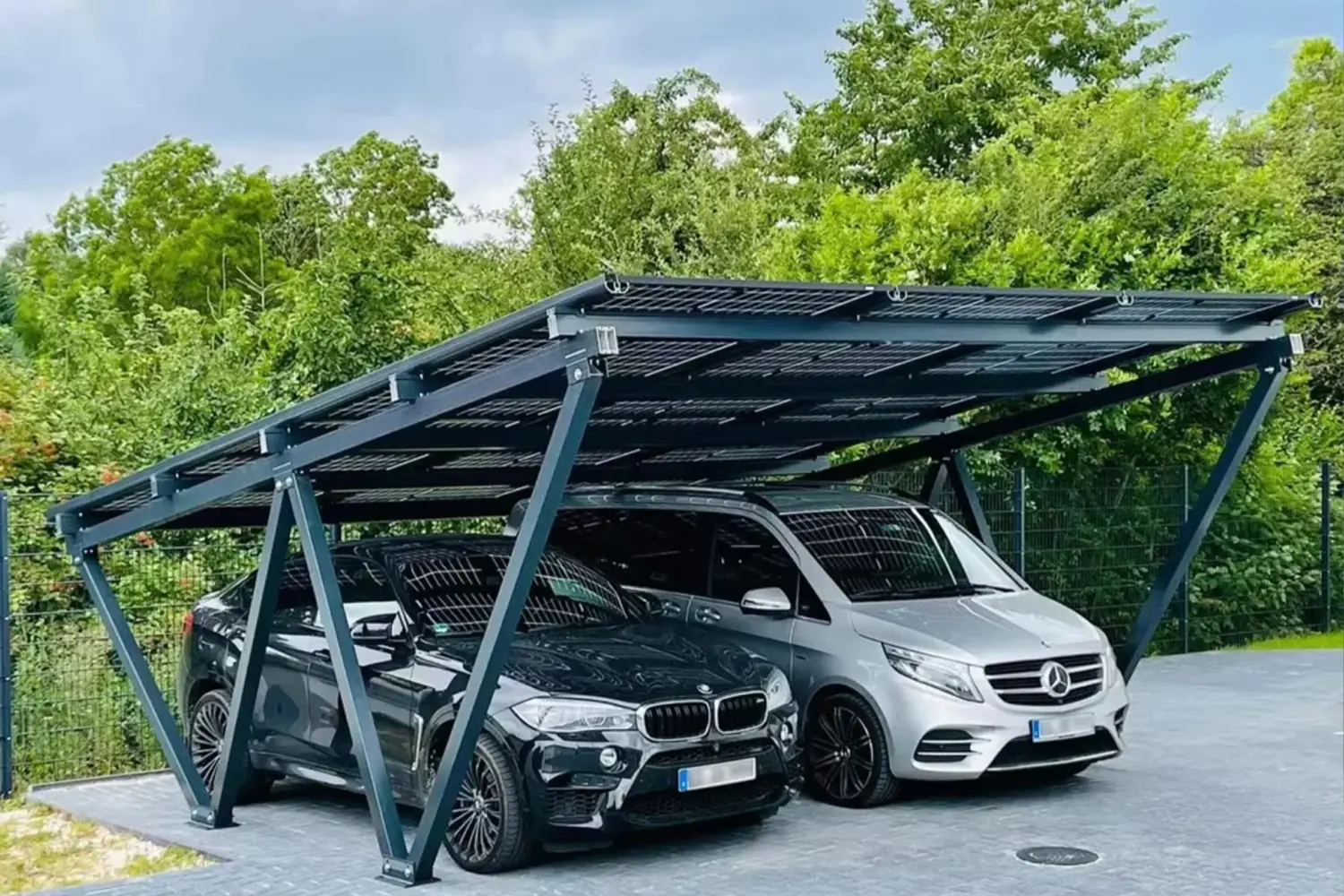
For remote areas, mining installations, and agricultural projects, grid connections are often unreliable or unavailable. Our off-grid photovoltaic configurations combine high-efficiency solar modules with rugged, intelligent hybrid inverters and low-voltage or high-voltage energy storage systems. This setup provides continuous power and isolates critical operations from grid instability.
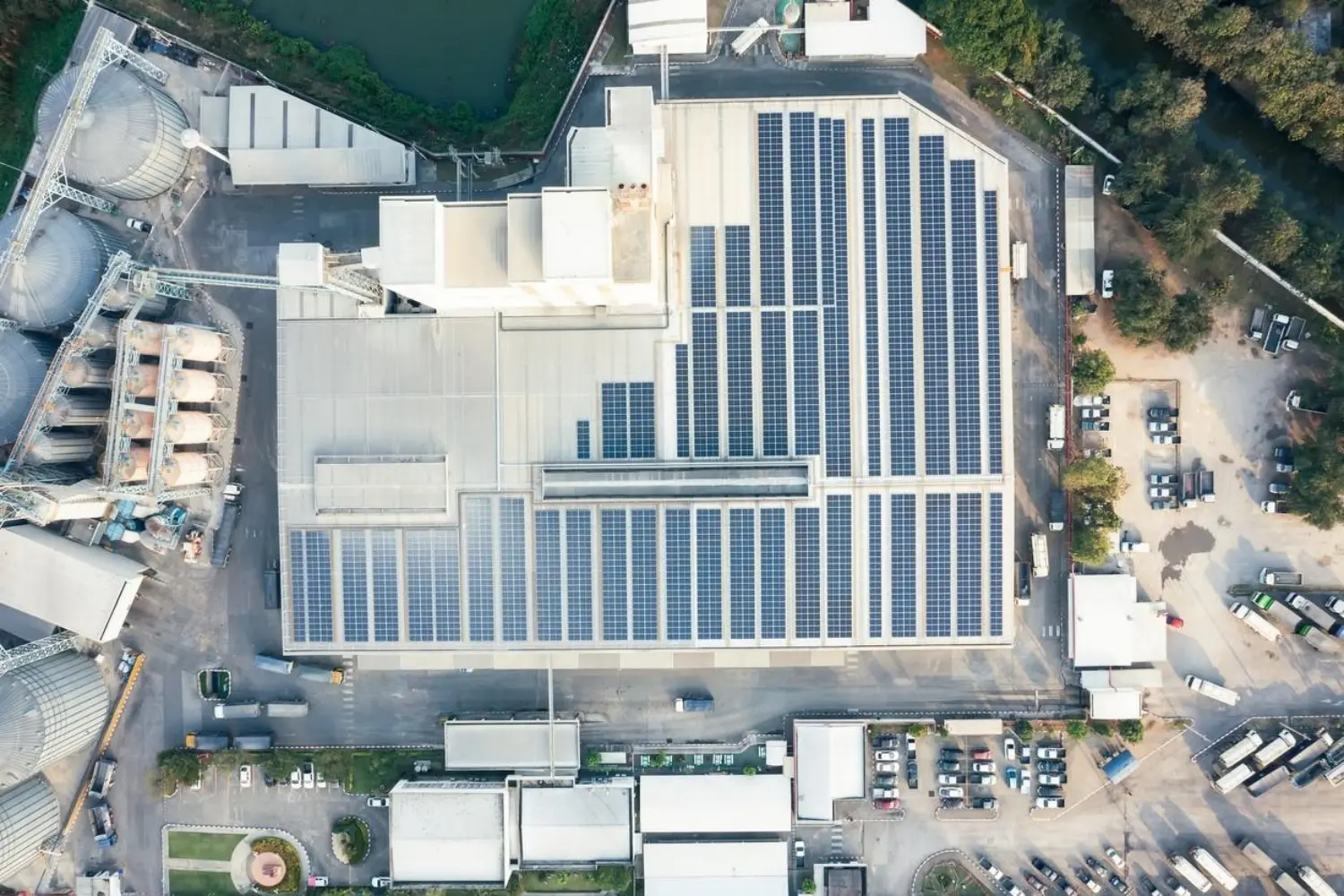
High electricity prices challenge manufacturing enterprises that consume significant energy. Installing solar panels on factory roofs and integrating energy storage systems (ESS) can meet daily electricity demands. This transition lowers carbon emissions and creates a clear hedge against rising energy utility tariffs.
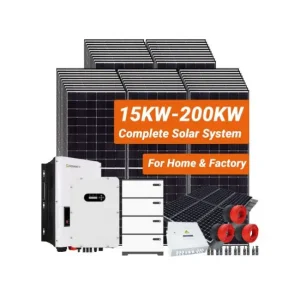
Our solutions integrate PV module production with multi-megawatt smart inverter and battery systems, giving industrial plants control over their energy usage.
We are fully immersed in the solar industry, integrating the entire solar and energy supply chain. Our reliable manufacturing makes us a trusted supplier for global operations.
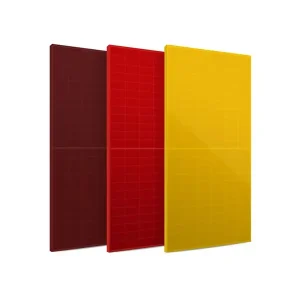
Full range of PV modules: N-type, TOPCon, P-type, HJT, BC. Options include monofacial, bifacial, standard sizes, and customized form factors, with power outputs ranging from 400W to 700W+.
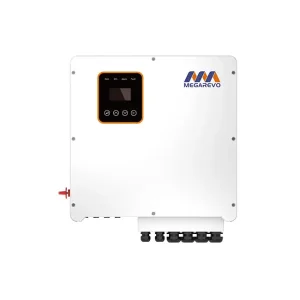
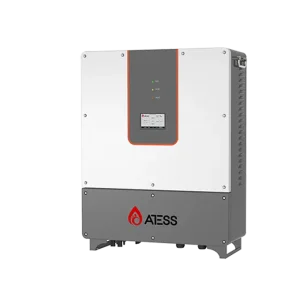
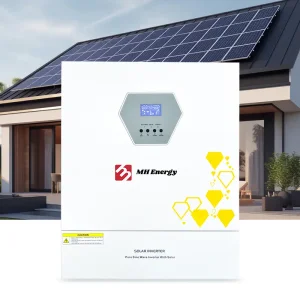
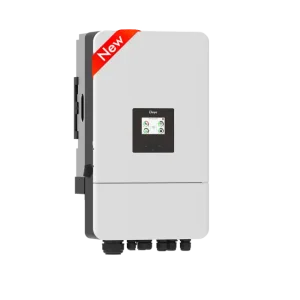
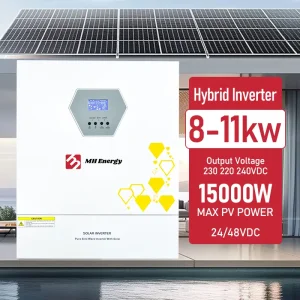
High-efficiency single-phase and three-phase solar PV, hybrid, and off-grid inverters from 1kW to 110kW. All units feature integrated smart monitoring systems.
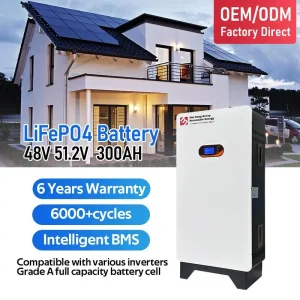
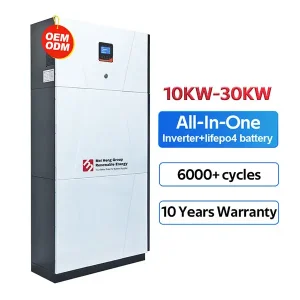
Specializing in lithium battery energy storage for residential and utility applications, alongside EPC integration and photovoltaic system manufacturing.
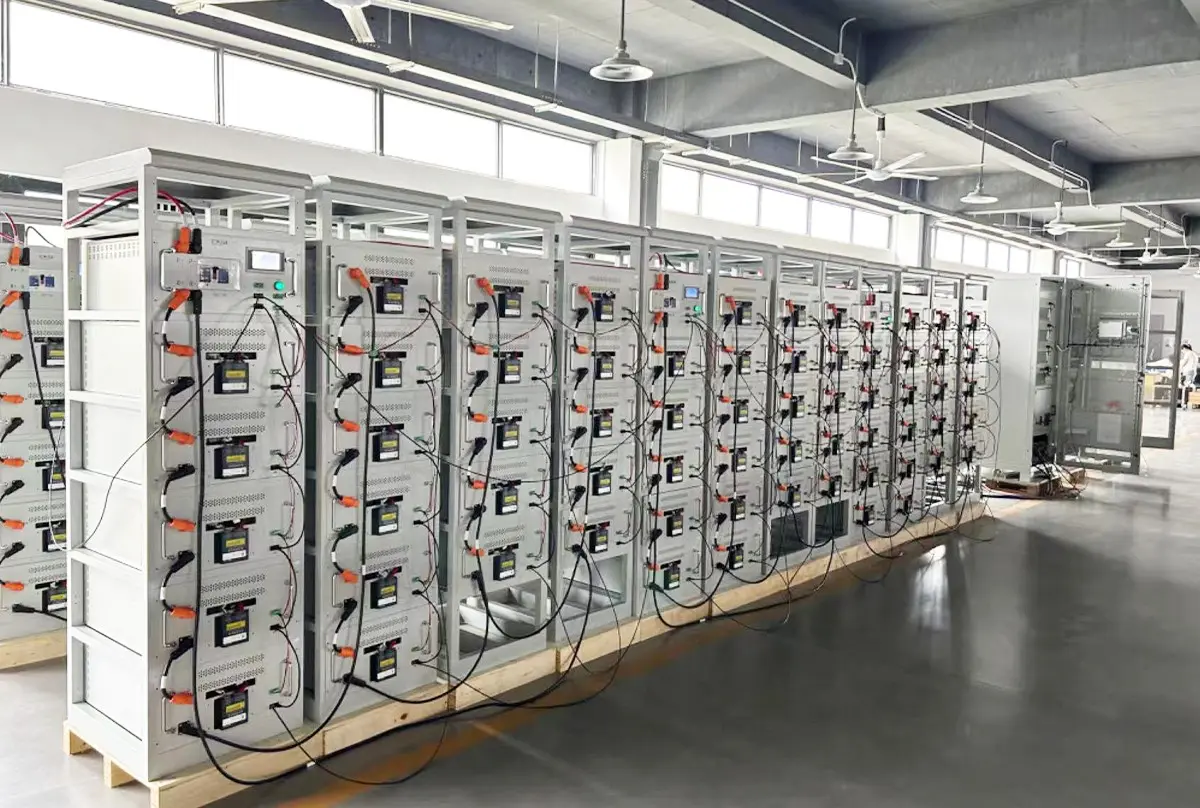
Our vertically integrated operations streamline international logistics, secure material supply, and provide reliable engineering backup.
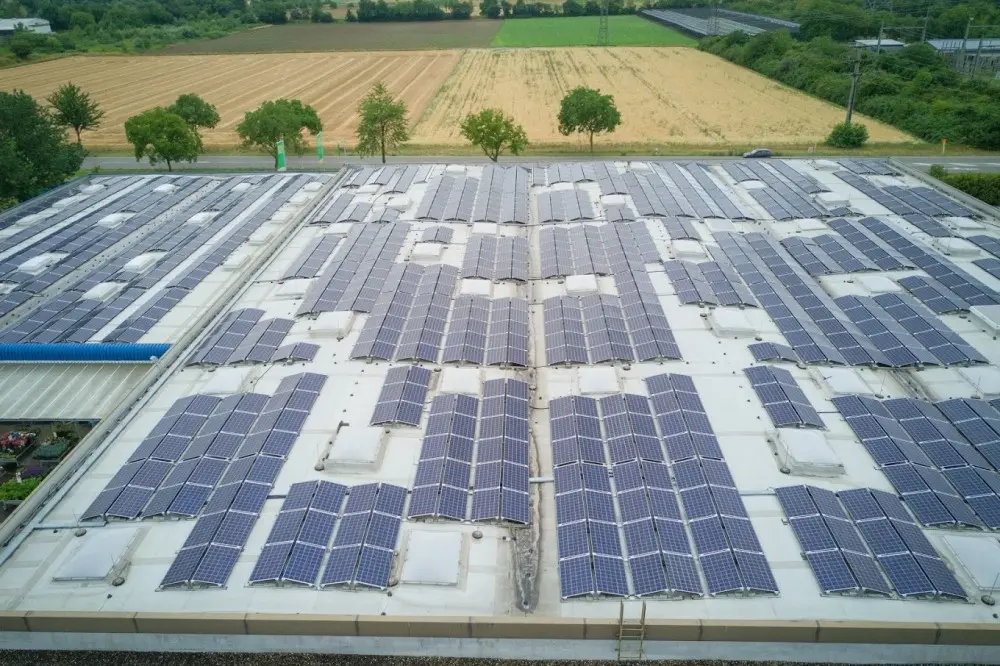
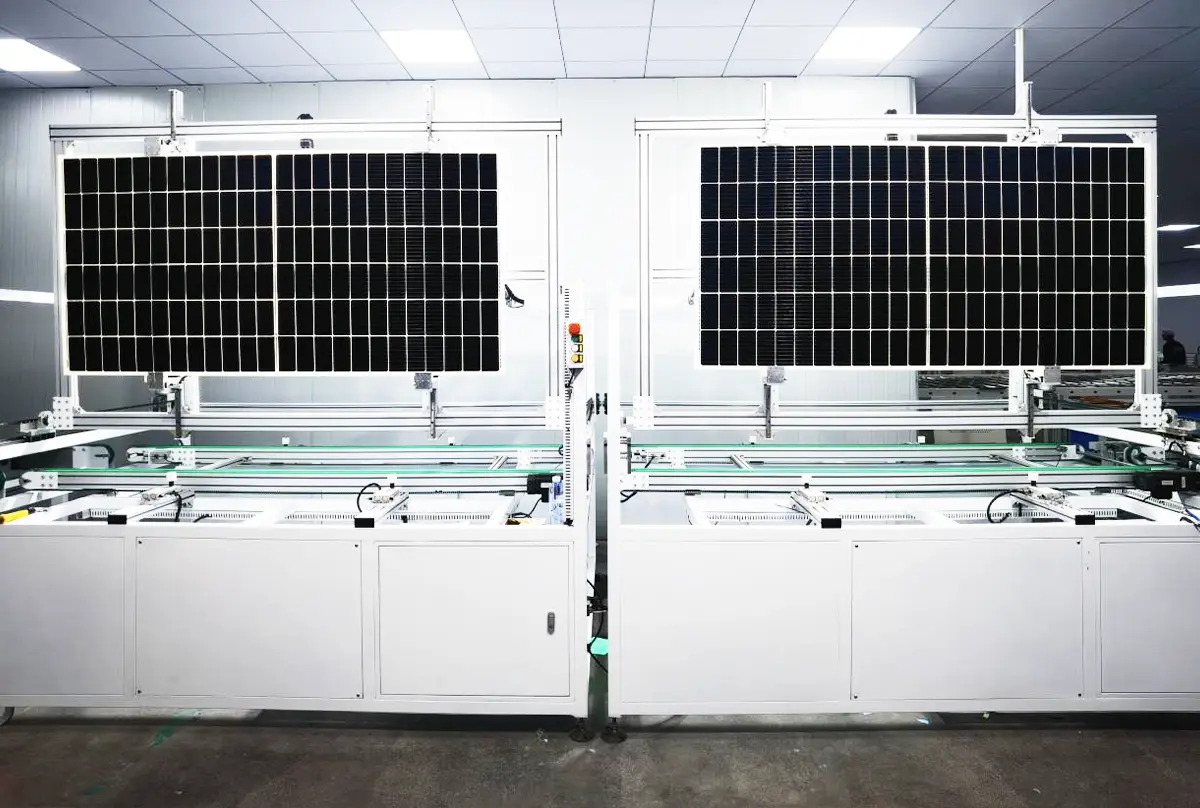
Our photovoltaic module factory features an annual production capacity of 10GW. We use advanced manufacturing equipment and techniques to produce reliable, high-efficiency panels. With inline optical inspection, laser cutting, and multi-busbar (MBB) sorting, we keep optical and electrical losses to a minimum.
This design ensures high-efficiency power generation, helping customers maximize the financial returns on their solar investments.
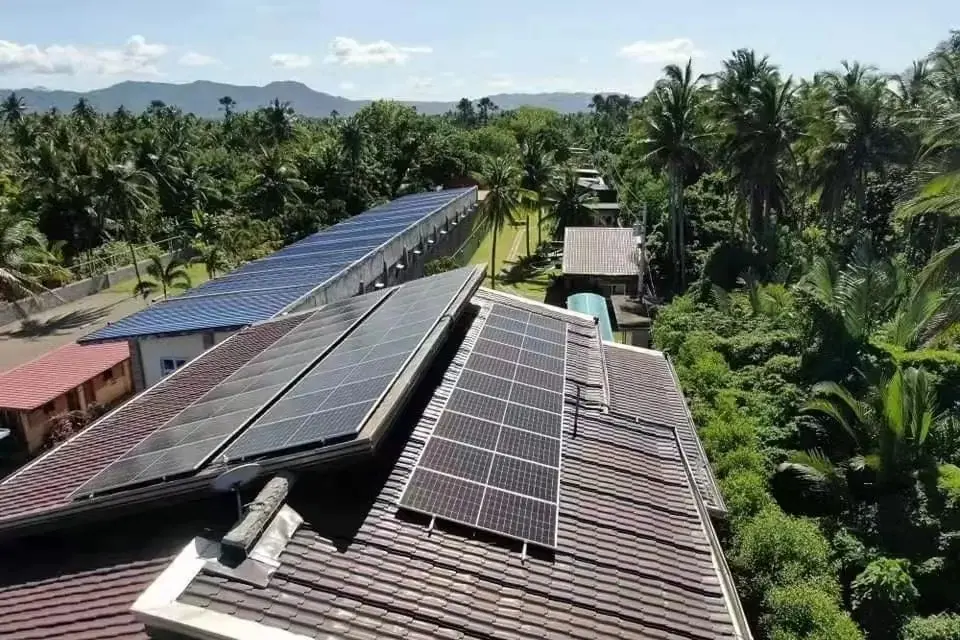
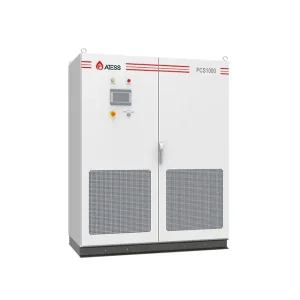
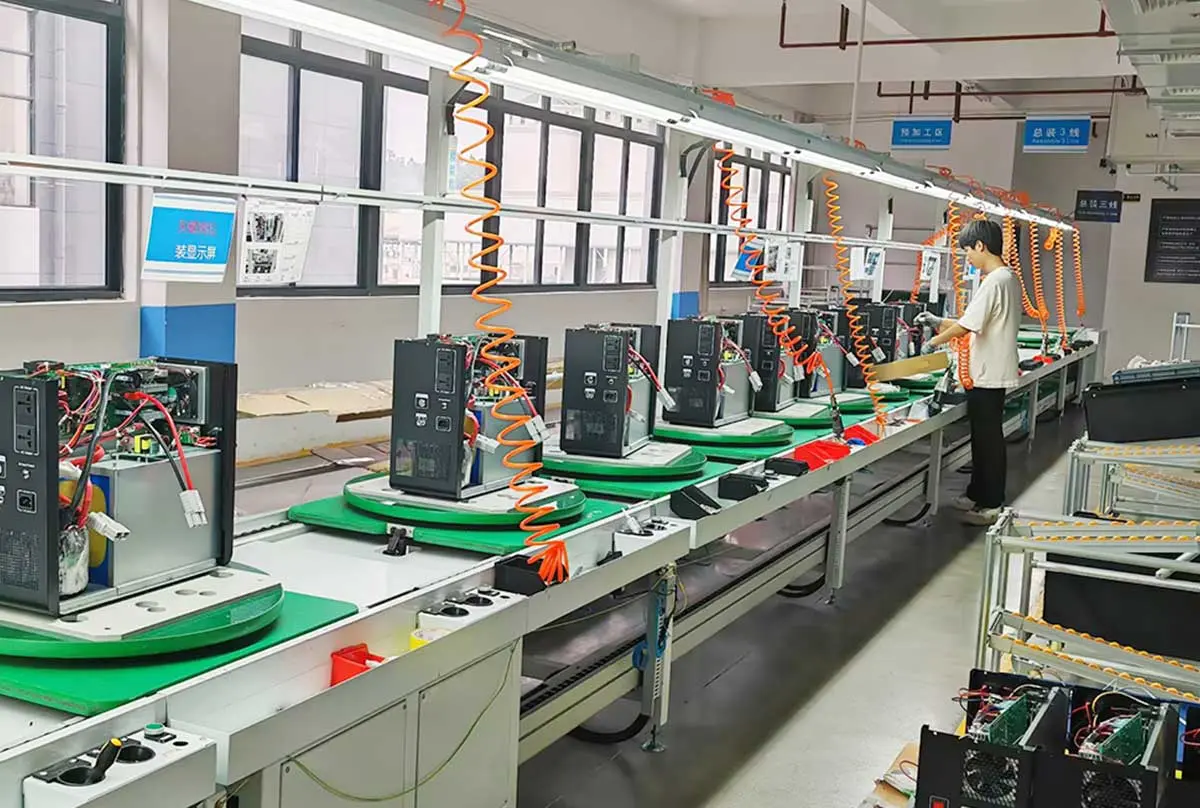
Our inverter factory supplies products configured for different electrical grids. From hybrid off-grid and grid-tied systems to commercial-scale units, our inverters convert energy efficiently with minimal thermal loss. High compatibility ensures seamless integration with energy storage products and battery management systems (BMS).
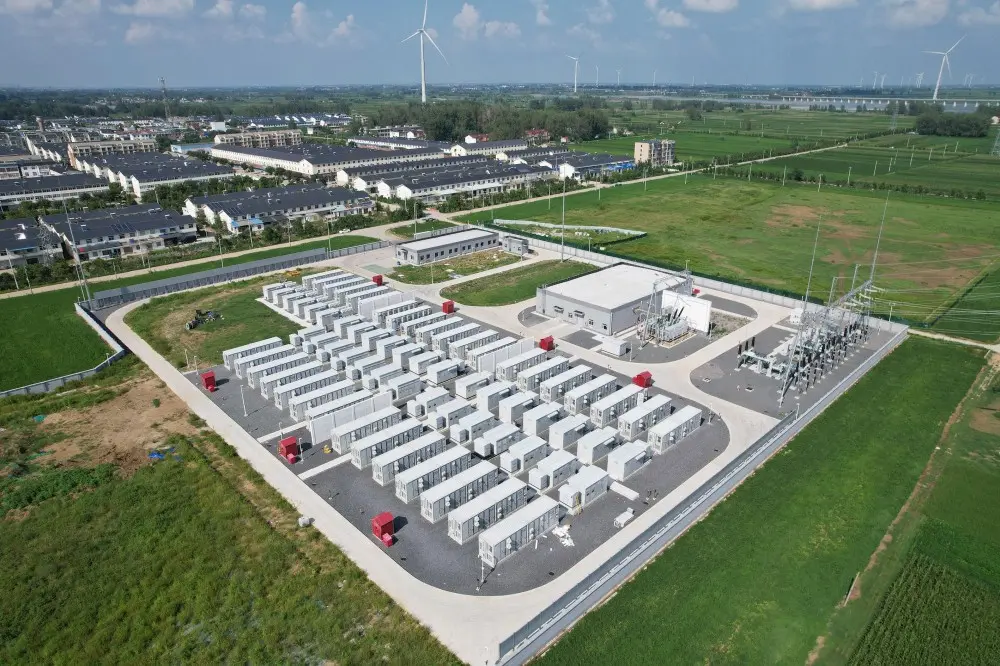
Backed by over 20 years of experience in the electrical and power industries, our lithium battery factory utilizes modern production lines to build safe, reliable battery systems. We manufacture solutions ranging from 10kWh home battery packs to 20ft and 40ft containerized utility-scale storage systems.
Our team of over 10 experienced engineers designs system architectures and offers complete online and on-site technical support to ensure safe installation and operation.
Our OEM and ODM capabilities allow us to modify structural profiles, electrical configurations, and battery management parameters for specific projects. Whether adapting modules to high-snow-load regions or altering inverter firmware to meet local grid codes, our factory engineering team coordinates design and production to support your solar business.
A technical guide to modern cell architectures and how they perform in different global climates.
The transition from P-type silicon wafers to N-type wafers is one of the most important recent developments in photovoltaic technology. P-type wafers are doped with boron, which makes them susceptible to Light-Induced Degradation (LID) when boron interacts with oxygen under sunlight. N-type wafers are doped with phosphorus, which eliminates this degradation mechanism and improves overall performance.
TOPCon (Tunnel Oxide Passivated Contact) cells add an ultra-thin silicon oxide layer and a doped polycrystalline silicon layer to the back of the cell. This structure minimizes electron recombination, boosting factory cell conversion efficiencies to 25% and higher. TOPCon fits well into existing manufacturing setups, helping suppliers scale up production quickly.
HJT (Heterojunction Technology) combines crystalline silicon with thin-film amorphous silicon. This design creates a clean energy transition with a very low temperature coefficient (down to -0.26%/°C). HJT also delivers a bifaciality rate of over 85%, making it ideal for utility-scale projects with high reflective ground conditions (albedo).
Environmental conditions affect cell performance. Solar installations face different challenges depending on the region:
Silicon solar cells are approaching their theoretical efficiency limit (the Shockley-Queisser limit of ~29.4%). To achieve further gains, manufacturers are researching Perovskite-Silicon Tandem Cells.
By layering a perovskite cell on top of a standard silicon cell, tandem modules can capture different wavelengths of light, pushing laboratory efficiencies past 30%. Our research and development teams continue to monitor these technologies to ensure our production facilities are prepared for next-generation solar manufacturing.
Analyzing how regional manufacturing hubs and integrated logistics support global project delivery.
China's photovoltaic industry benefits from concentrated manufacturing hubs in provinces like Jiangsu, Zhejiang, and Anhui. These regions host integrated supply chains that produce raw polysilicon, grow ingots, slice wafers, process cells, and assemble modules all within a short distance.
This geographic concentration reduces transportation times, lowers shipping costs, and allows for rapid collaboration during product updates. It also secures access to crucial components like solar glass, EVA/POE films, junction boxes, and mounting hardware, keeping production lines running reliably.
Timely delivery is essential for large solar projects. Our factories are located near major shipping hubs like Shanghai and Ningbo, enabling efficient international transport. We coordinate shipping routes and document customs details to manage trade regulations and prevent delays.
We work with global shipping lines to offer container options (like High Cube containers), track ocean freight, and manage customs clearance, helping modules arrive safely and on schedule.
At MH Solar Energy, we believe in creating solutions that lead to a sustainable future. We collaborate with leading technology and material brands to ensure system-level compatibility.


















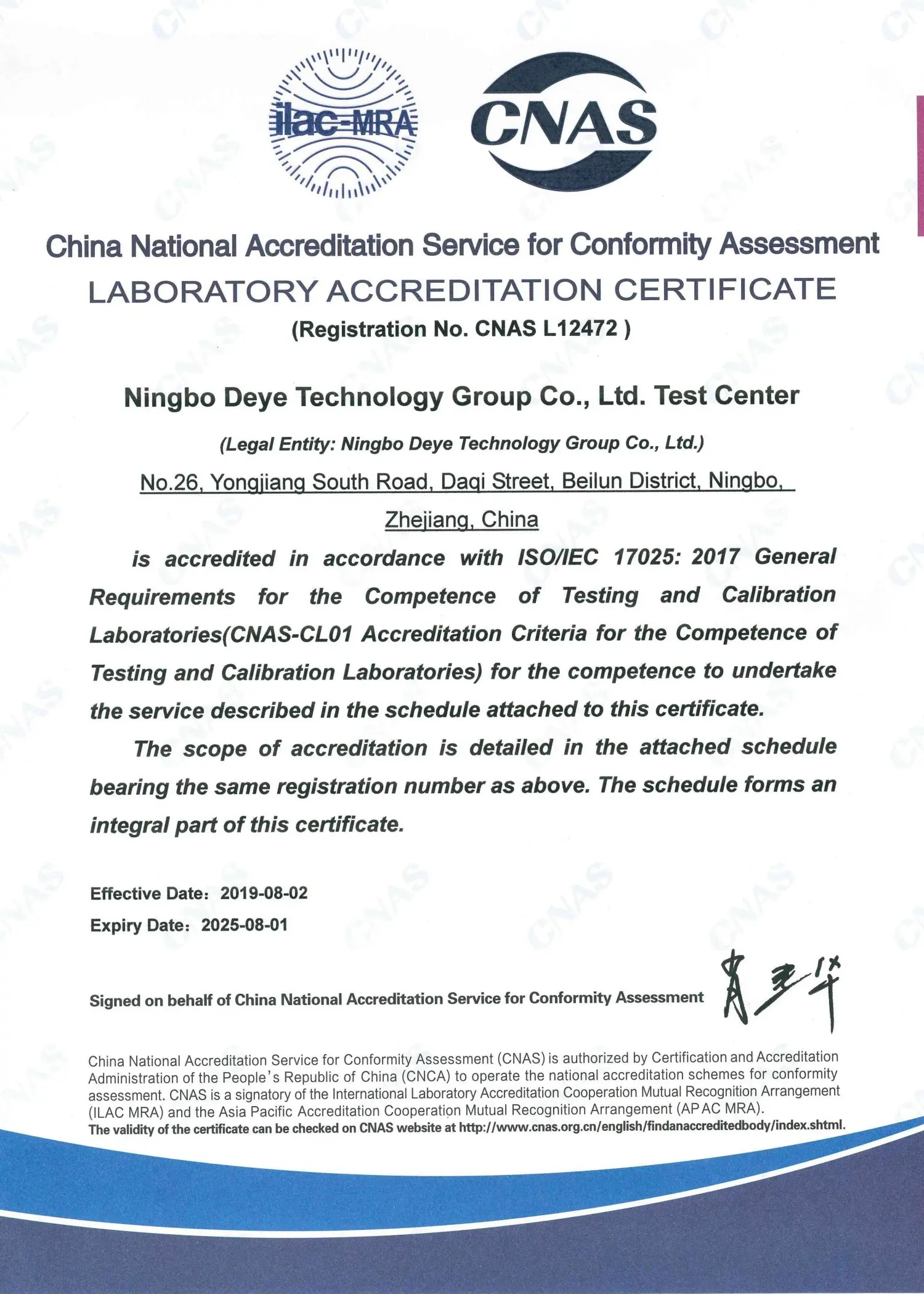
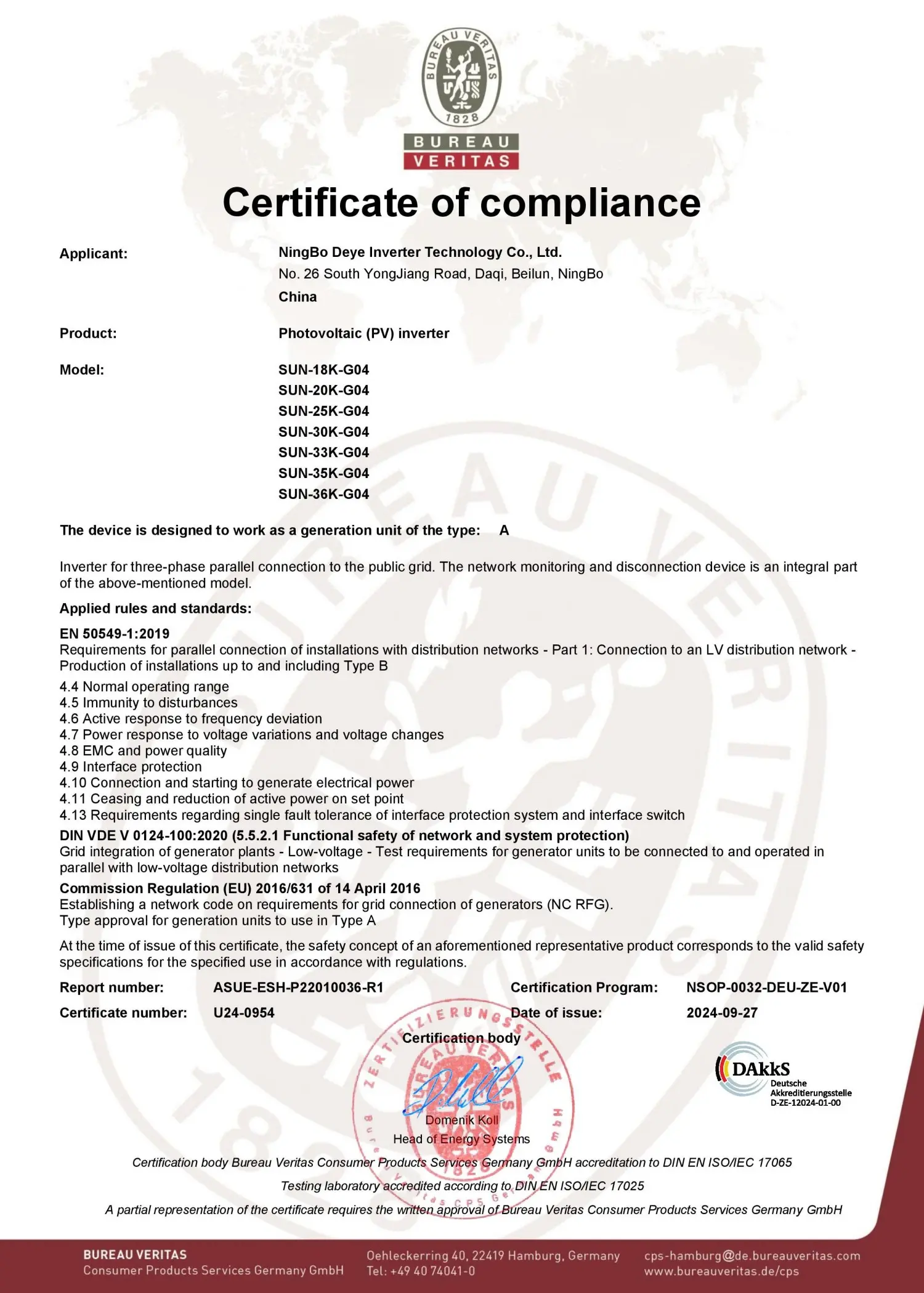
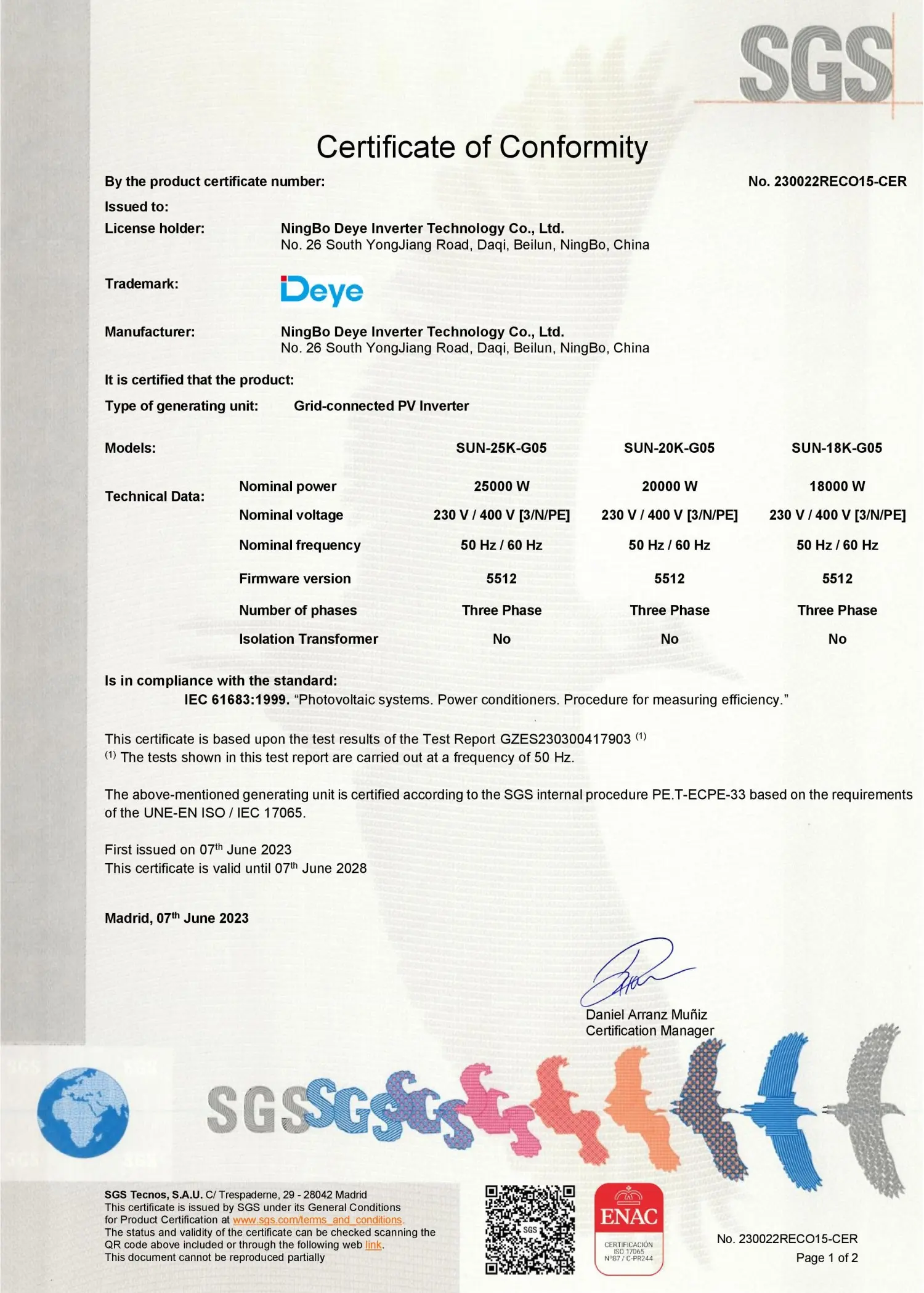
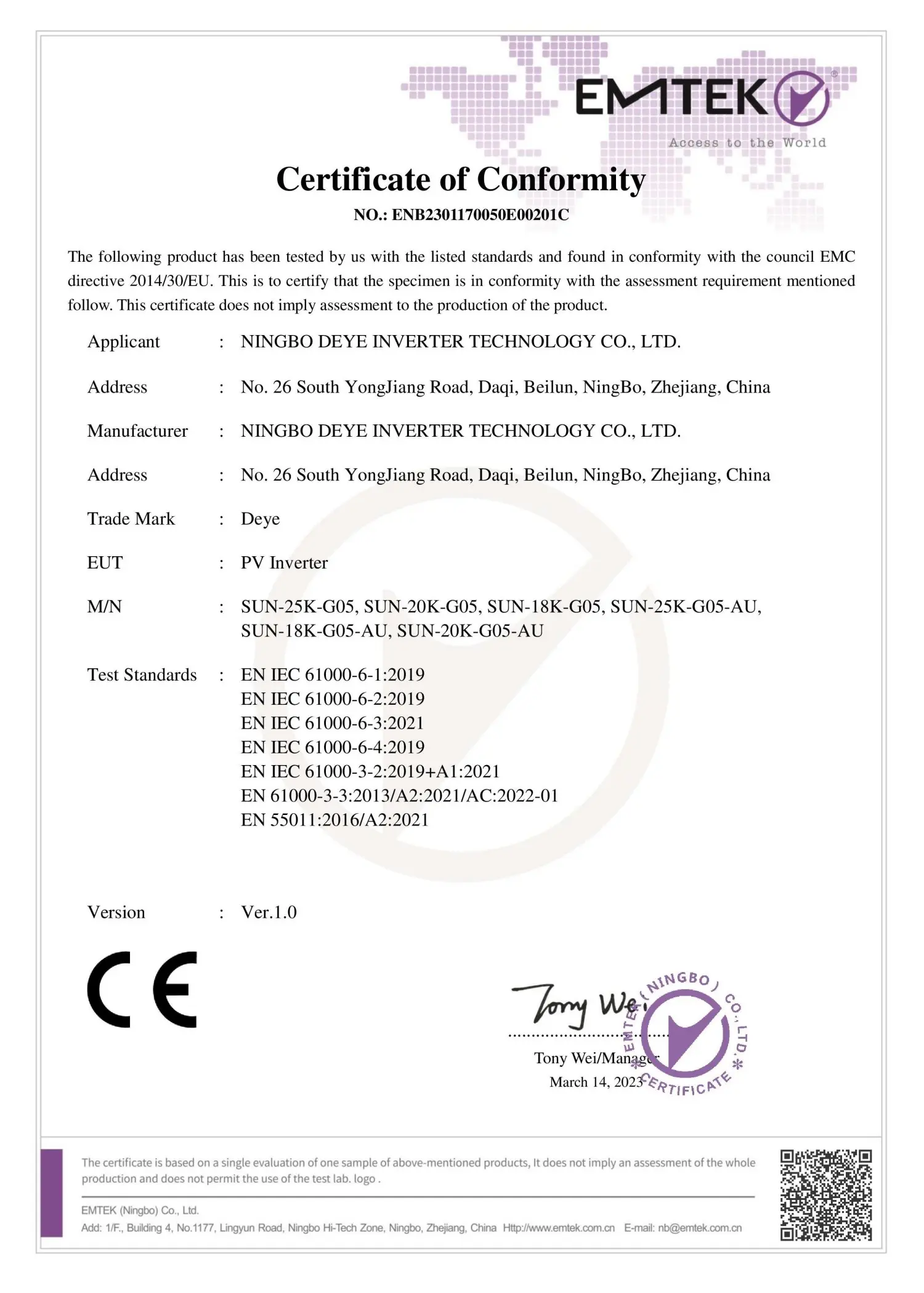
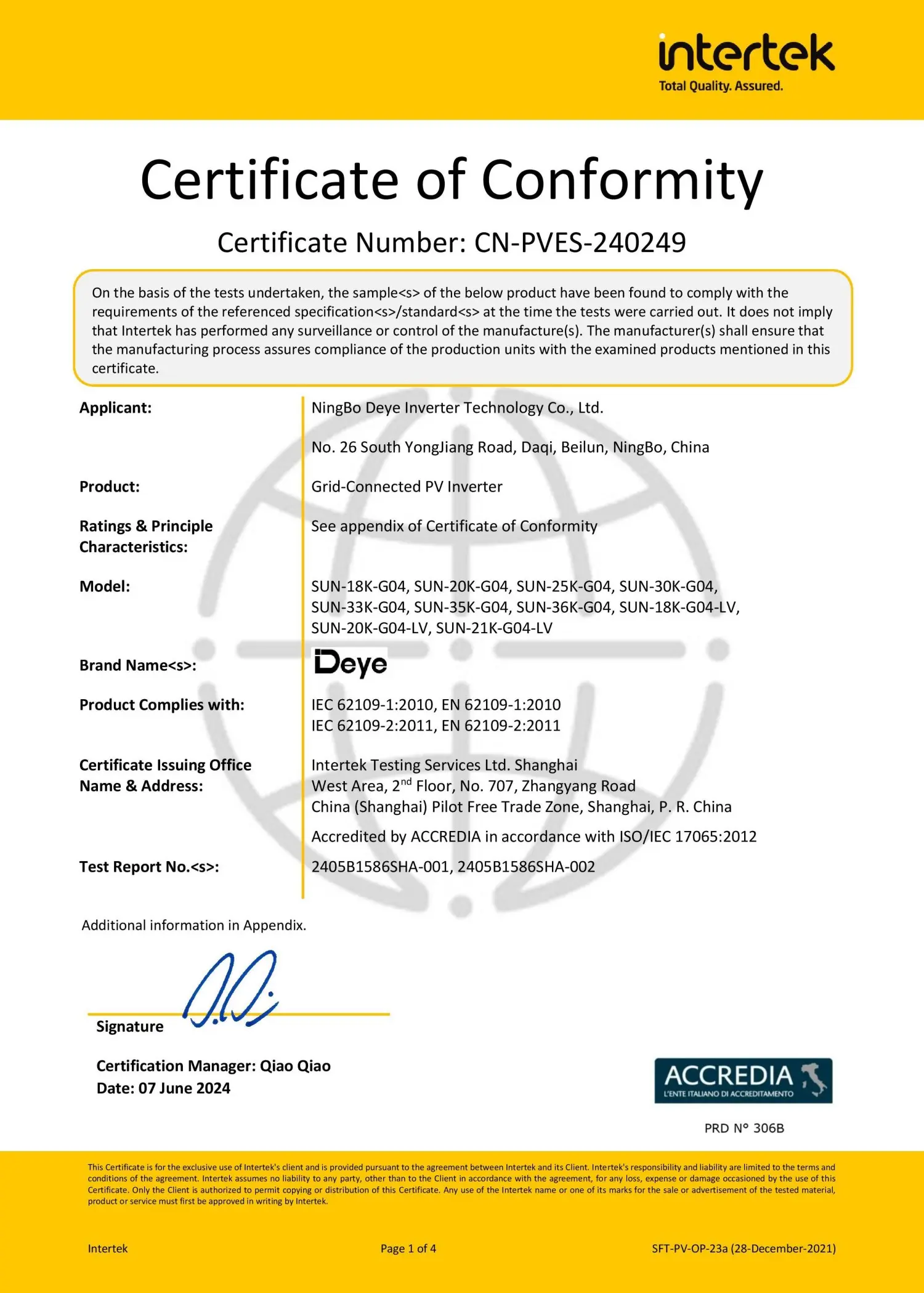
Our PV modules, inverters, and lithium batteries are certified to meet international quality, safety, and performance standards.
Our manufacturing facilities operate under ISO 9001 (Quality Management), ISO 14001 (Environmental Management), and ISO 45001 (Occupational Health and Safety) standards. Product certifications include:
These certifications verify that our products are designed to perform reliably over long-term project lifespans.
Detailed answers to common questions about factory sourcing, technology choice, and international logistics.
Buying from integrated manufacturers who control cell processing ensures better oversight of wafer quality, passivation, and metallization. This integration reduces issues like micro-cracks and helps ensure uniform cell efficiency within each production run.
N-type TOPCon cells feature an ultra-thin tunnel oxide layer that reduces electron recombination. This design increases overall cell efficiency to 25% or higher, provides a lower temperature coefficient (-0.30%/°C), and reduces initial light degradation (LID/LeTID), leading to higher lifetime energy production.
Our production facilities perform triple Electroluminescence (EL) testing—after cell stringing, lamination, and final framing—to identify internal micro-cracks. We also conduct high-voltage insulation tests, wet leakage tests, and flash tests to confirm accurate power ratings before shipment.
Our logistics team coordinates container loading, maritime transport, and customs documentation. We arrange appropriate packaging to protect modules during transit and provide the necessary compliance certificates (like CE, TÜV, and UL) to ensure smooth customs clearance at the destination port.
Yes. Through our OEM and ODM services, we can adjust dimensions, modify frame thicknesses, configure junction box cables, and offer different backsheet colors (such as all-black modules) to align with specific project requirements.
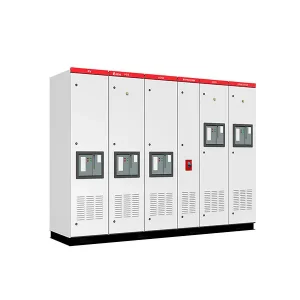
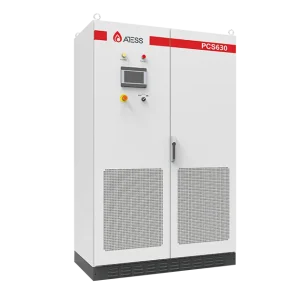
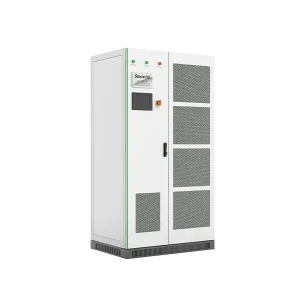
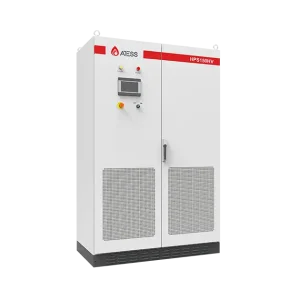
Select from our range of high-capacity lithium batteries, bypass cabinets, and high-performance hybrid inverters for industrial installations.
 MH Energy