Lithium Battery & ESS Solutions for DR Congo

Pioneering High-Efficiency Energy Storage Systems (ESS) Tailored for Industrial, Mining, and Commercial Growth Across Central Africa.

Send Inquiry Now

High-Efficiency Residential Lithium Batteries

Engineered for high temperature resilience, cyclic reliability, and seamless PV inverter integration across residential and small commercial setups in the DR Congo market.
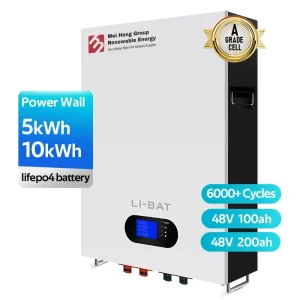
Grade A 10KWh Lithium Battery Powerwall

Grade A 10KWh Powerwall for DR Congo Residential Grid-Backup

Highly reliable wall-mounted lithium battery utilizing Tier-1 cells for sustained grid stabilization.
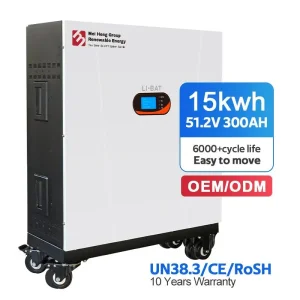
Low voltage Lithium battery Movable

Movable Low-Voltage Lithium Battery for Flexible Rural Power Stations

Portable, robust energy container optimized for off-grid operations and temporary rural settlements.
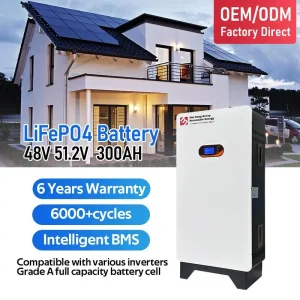
Stand type Lithium battery

Stand-Type Low-Voltage Battery for Kinshasa Telecom Stations

Space-efficient floor configuration with intelligent BMS, certified for high operational stability.
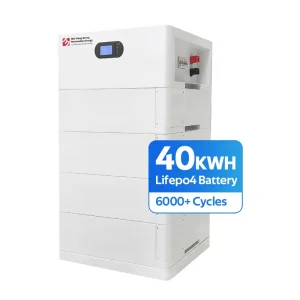
Stack Type Lithium battery

Modular Stack-Type Low-Voltage Lithium Battery for Scalable Growth

Scalable modules that interlock seamlessly, reducing cable routing issues in off-grid offices.

Commercial & Industrial Energy Realities in the DR Congo

The Democratic Republic of the Congo (DR Congo) holds a strategic position in global energy dynamics. While being a repository of enormous natural wealth—notably copper and cobalt—the country confronts significant domestic energy infrastructure challenges. The national utility, Société Nationale d'Électricité (SNEL), operates under substantial generation deficits, leading to chronic voltage instability and extended outages. This lack of grid availability restricts the productivity of both small-scale commercial enterprises and massive extraction infrastructures.

The Shift from Diesel to Battery Energy Storage Systems (BESS)

Historically, commercial and industrial (C&I) actors across regions such as Katanga, Lualaba, and Kinshasa relied heavily on high-capacity diesel generators. This model exhibits severe limitations:

  • High Operating Expenditure (OPEX): Escalating fuel pricing and volatile supply lines directly affect operational costs.
  • High Maintenance Requirements: Continual mechanical wear requires frequent interventions in remote, logistically challenging areas.
  • Carbon Footprint: Global environmental compliance demands a departure from unchecked fossil fuel dependency.

By implementing specialized Solar PV integrated with robust Lithium Iron Phosphate (LiFePO4) Battery Energy Storage Systems, enterprises are establishing autonomous microgrids. These configurations safeguard heavy-duty machinery from sudden frequency fluctuations, lower operational overheads, and guarantee continuous manufacturing capacity.

6,000+
Life Cycles @ 80% DoD
10 GW
Annual PV Capacity
> 95%
Inverter Conversion Eff.
24/7
Micro-grid Operationality

Robust Chemistry & Localized Technical Routing

Why Lithium Iron Phosphate (LFP) is the optimal electrochemical energy storage technology for Central African industrial climates.

Advanced Thermal Engineering

Tropical climates require specialized heat management. Our containerized ESS and outdoor cabinets integrate IP55-rated active air-cooling and smart liquid-cooling systems, maintaining internal battery cells at safe operational temperatures even in ambient temperatures above 40°C.

🛡

Enhanced LFP Safety Metrics

We rely on Lithium Iron Phosphate (LiFePO4) chemistry due to its high thermal runaway threshold and long lifespan. Unlike cobalt-based formulations, LFP does not support combustion, ensuring safety in mine sites and residential installations.

Three-Tier Cloud BMS Integration

Every system integrates a multi-level Battery Management System (BMS) that monitors cell voltages, internal resistance, and temperatures. This data connects to local SCADA networks and cloud monitoring platforms for preventive diagnostic maintenance.

All-In-One Solar & Energy Storage Configurations

Tailored solar and energy solutions designed to lower operational overheads, secure grid stability, and sustain continuous production.
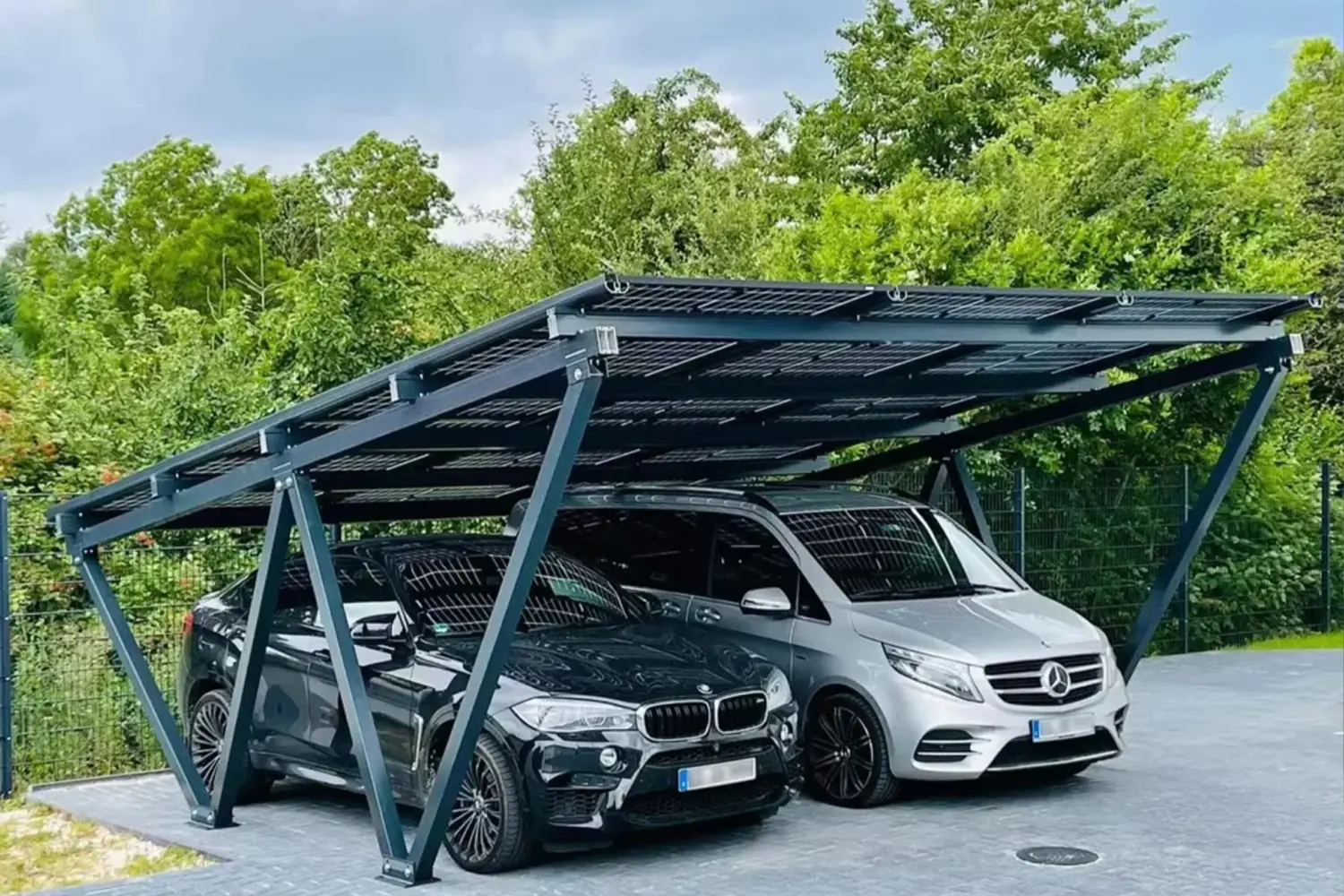
Off-Grid Solar Power Systems
Residential Solutions
Commercial & Industrial (C&I)
Utility Grid Storage
Off-grid Solar power system integration in DR Congo

Decentralized Mini-Grids & Off-Grid Power Solutions

For remote communities, agricultural cooperatives, and isolated exploration camps across DR Congo, establishing connection lines to the national grid is often financially impractical. Our off-grid systems integrate high-output solar arrays with modular LFP battery banks, delivering a continuous power supply that reduces reliance on diesel fuel.
  • Reliable power for remote hospitals, educational facilities, and communication hubs.
  • Reduces generator runtime, lowering maintenance demands.
  • Modular scalability supports expansion as site power needs grow.
Consult Project Options
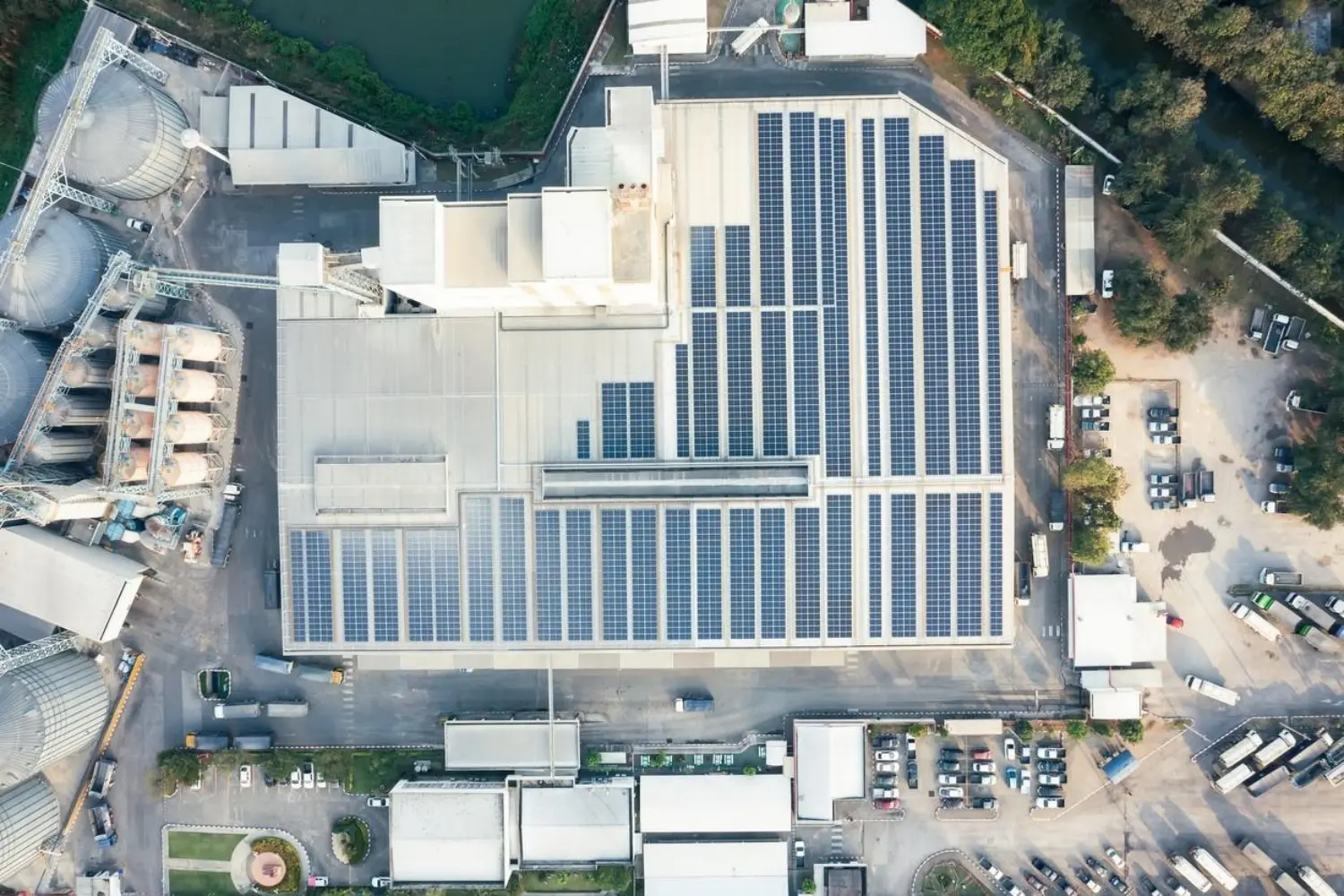
Commercial and Industrial solar power system

Commercial & Industrial Solar Power Integration

Industrial processing facilities and manufacturing sites require consistent energy inputs. High utility rates combined with sudden outages limit operational efficiency. By leveraging unused factory roof spaces for photovoltaic arrays and deploying high-capacity ESS containers, companies can optimize solar self-consumption and protect heavy machinery from voltage spikes.

  • Peak Shaving capabilities: Reduces peak demand charges by using stored battery power during periods of high consumption.
  • Seamless transition protocols: Keeps industrial production lines running during unexpected utility grid interruptions.
  • Improved Return on Investment: Reduces operational reliance on diesel fuel, creating a clear path toward sustainable operations.
Evaluate Your Site Capacity

Integrated Chinese Manufacturing & Global Delivery

Combining automated production facilities with direct transport routes to deliver reliable energy storage solutions to Central Africa.
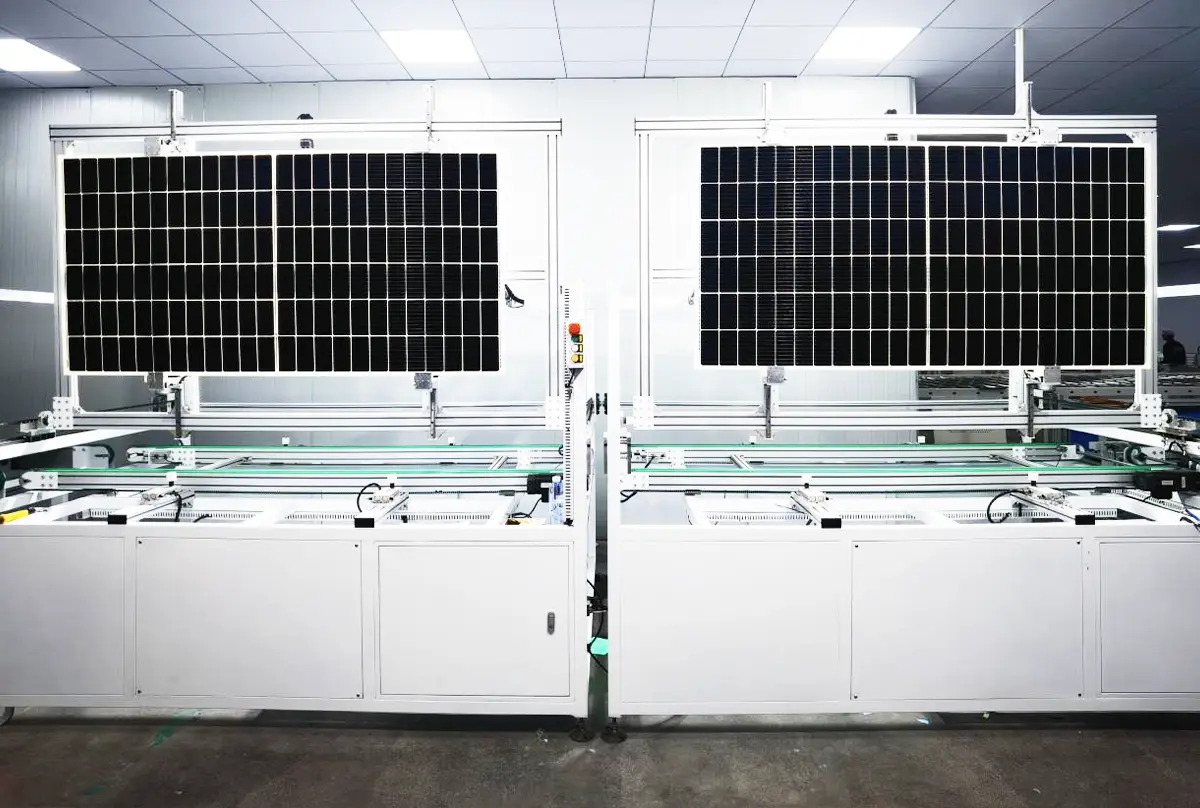
PV Module Factory

Solar PV Module Manufacturing

Our fully automated PV module plant produces up to 10GW annually. We construct N-Type TOPCon and HJT solar modules (400W to 700W+) designed for high conversion efficiency in low-light and high-temperature environments.
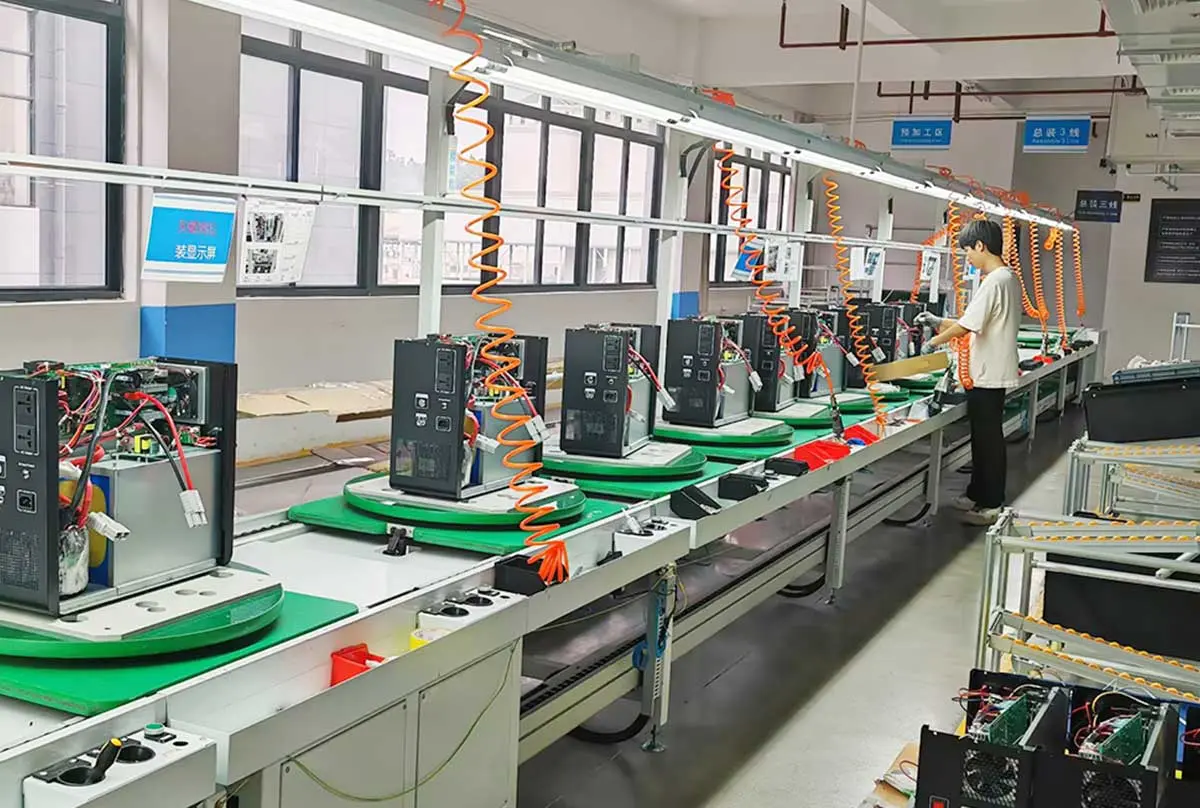
Solar Inverter Factory

Inverter Production Lines

We manufacture grid-tied, hybrid, and off-grid inverters ranging from 1kW to 500kW. Built-in dual MPPT algorithms and smart grid interface systems ensure reliable performance and seamless battery integration.
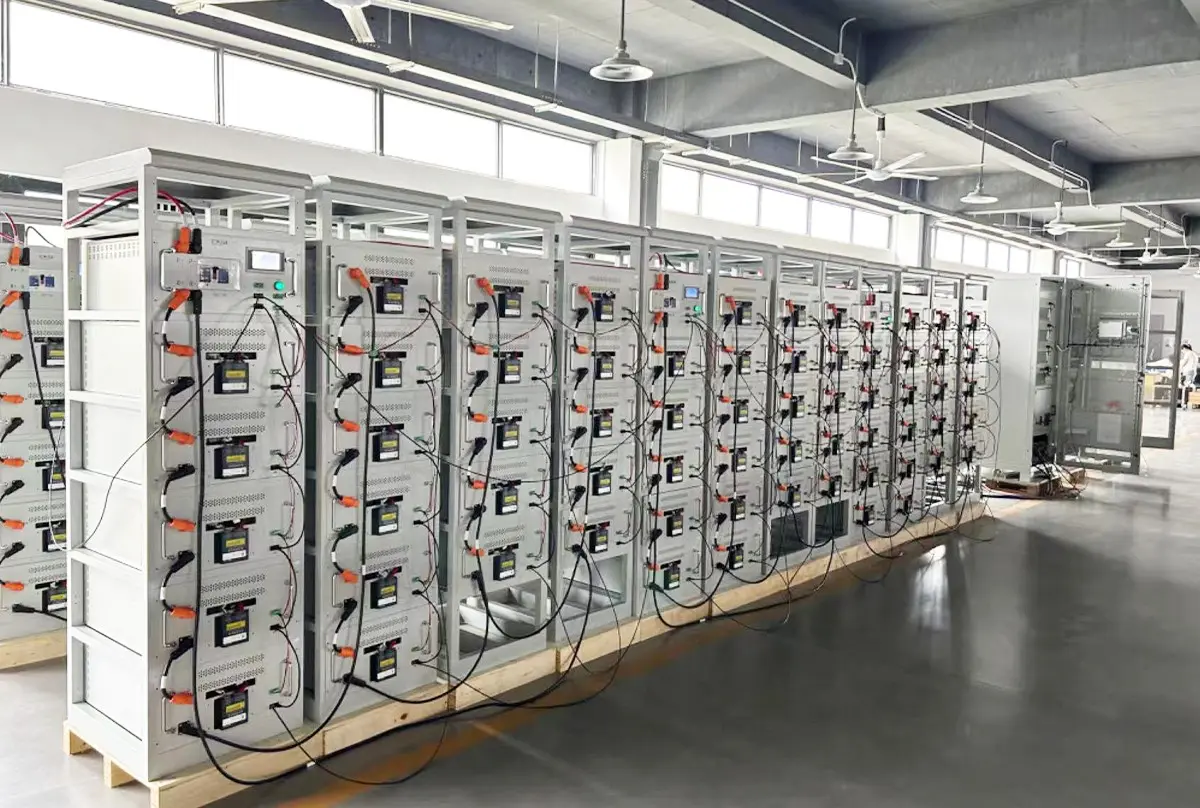
Lithium Battery Factory

Lithium Battery Production

Using automated laser welding and cell screening lines, we construct battery modules ranging from 10kWh residential units to megawatt-scale 20ft/40ft containerized storage systems.

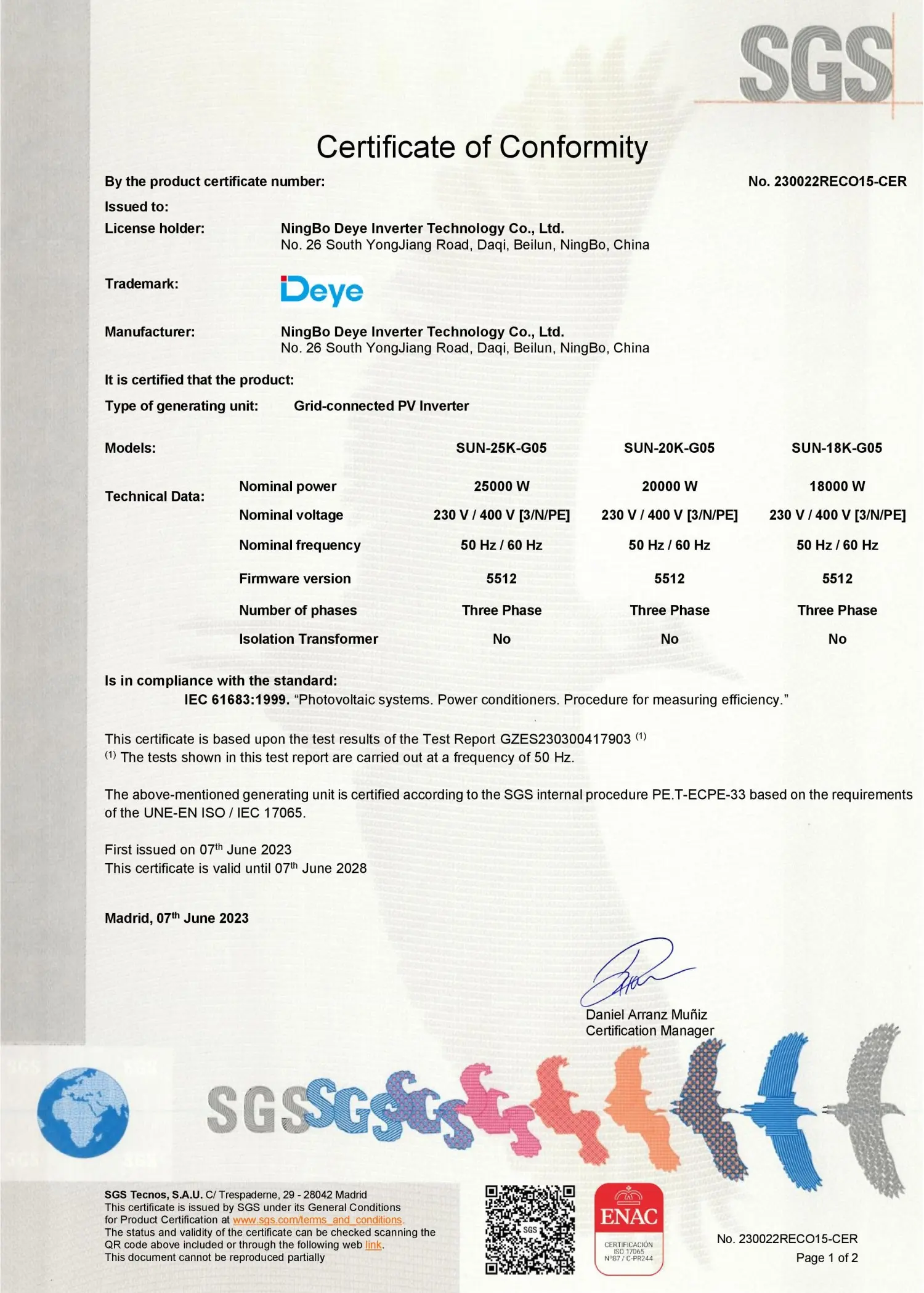
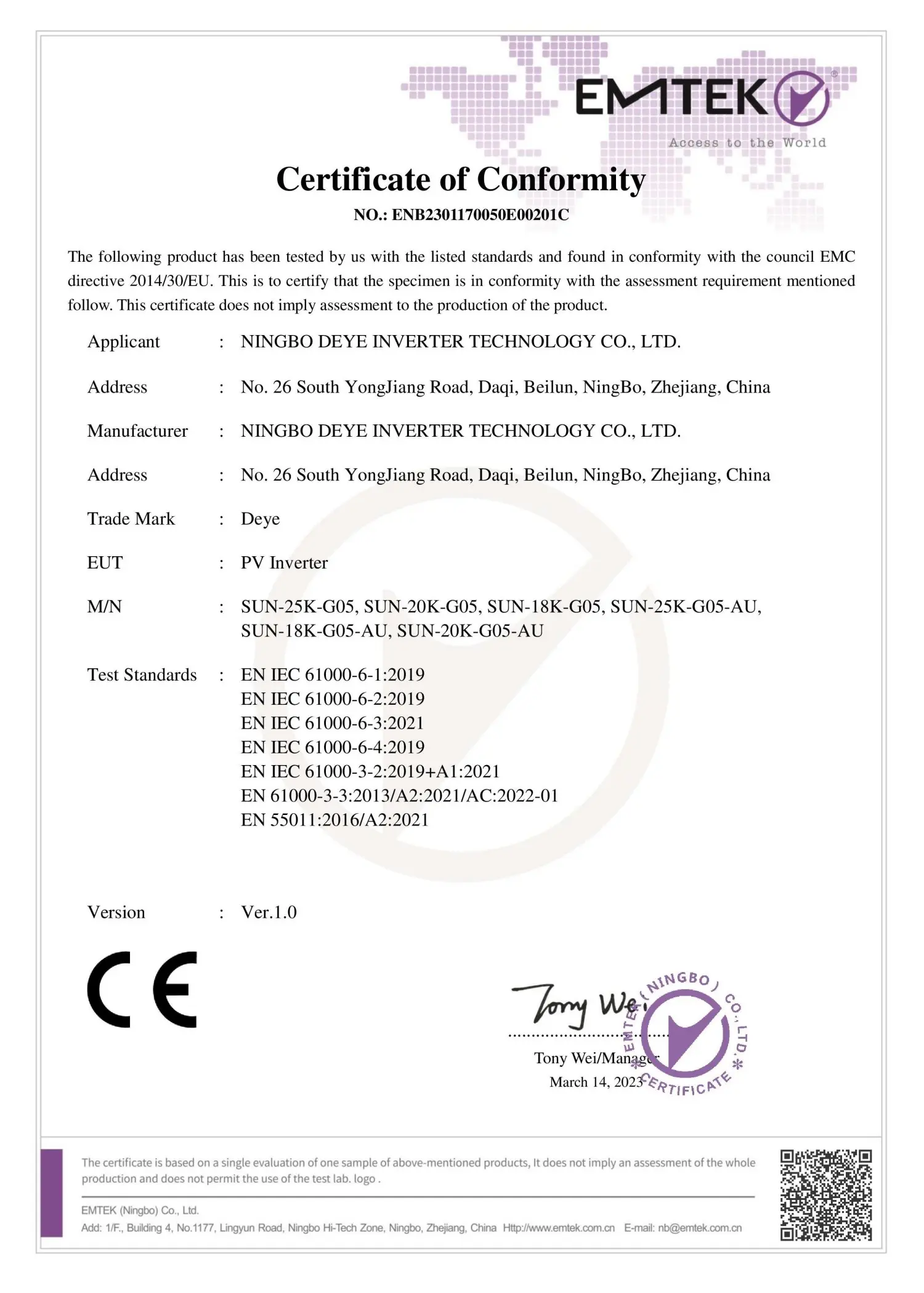
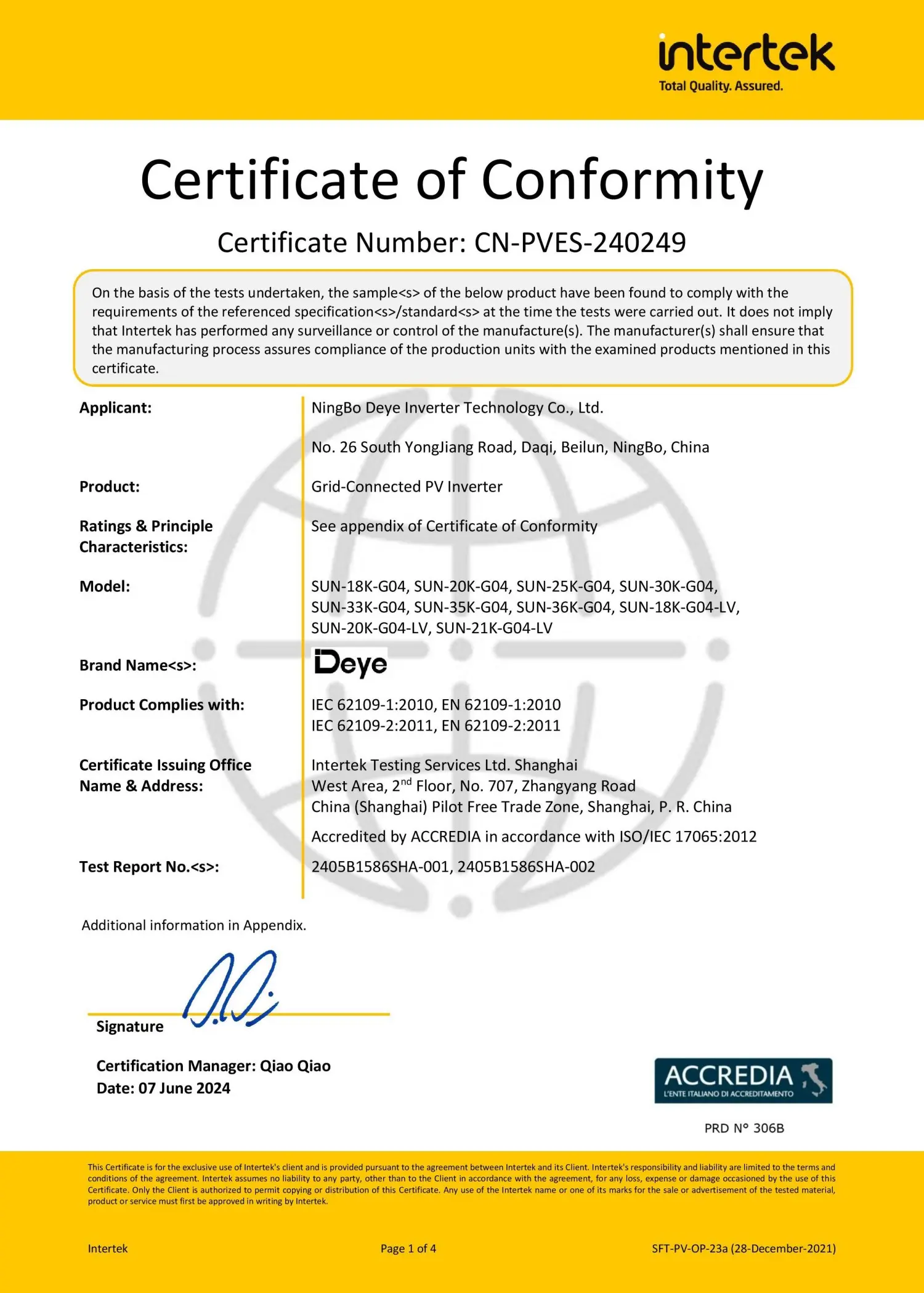
Global Certifications & Engineering Quality standards

Our energy storage components are certified under strict international testing protocols to ensure safe and efficient operation in hot, humid climates.
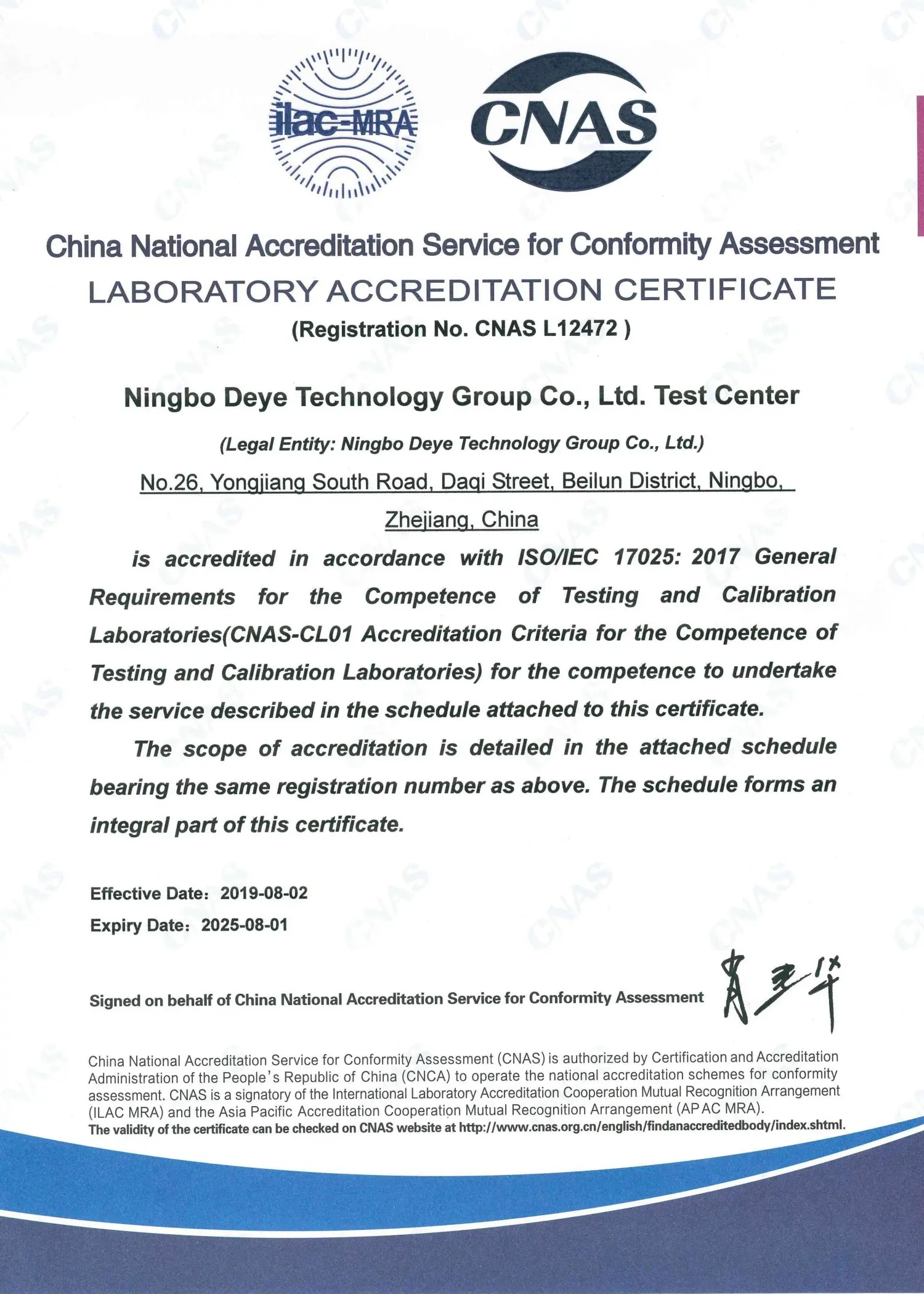
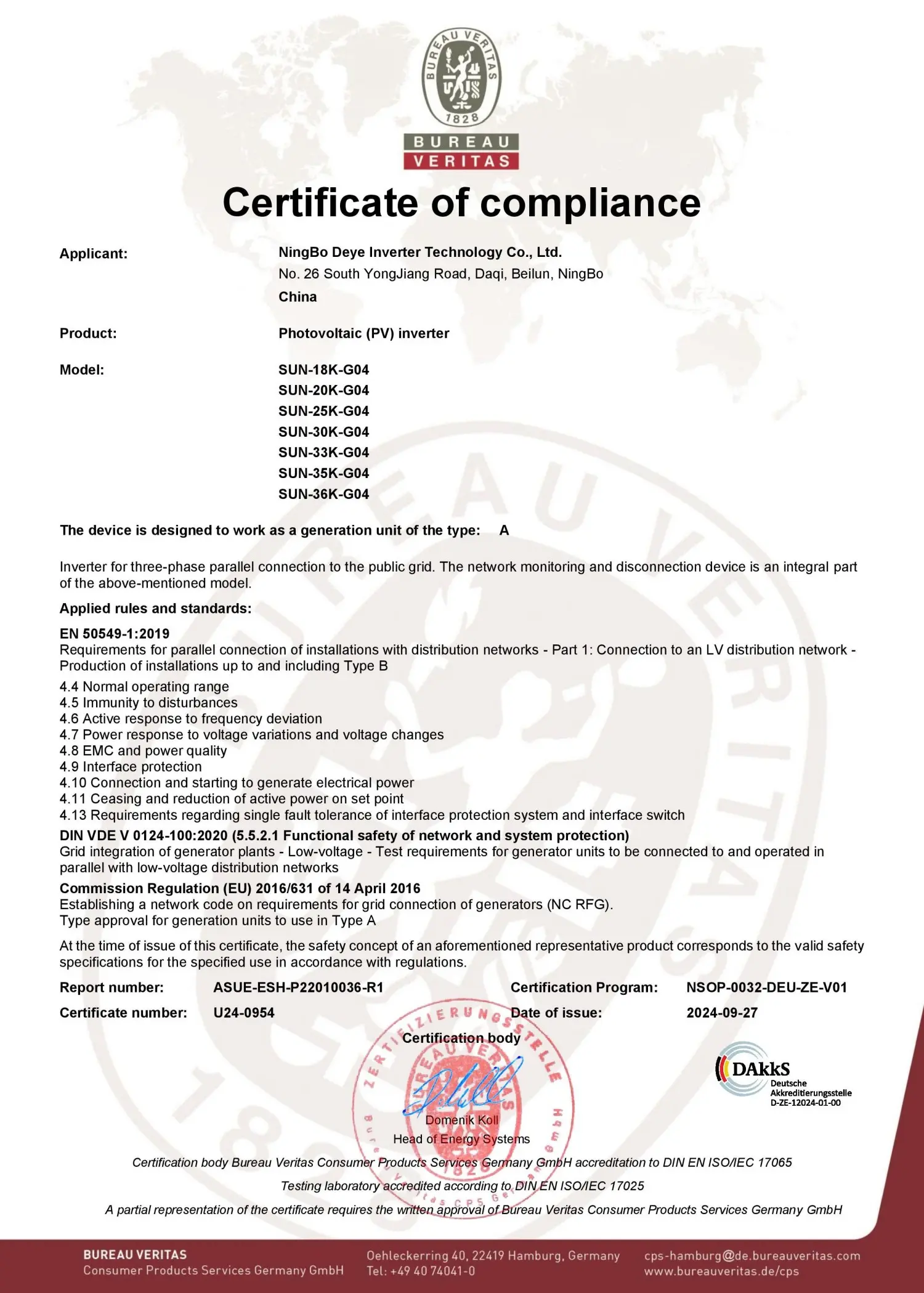
International Quality Certificate CE/IEC
Safety Standard Certificate ISO9001
LVD Safety Compliant Certificate
UN38.3 Shipping Standard Certificate
TUV Certified Solar Battery Quality

Cooperative Global Brands

High-Voltage Batteries, Hybrid Inverters & Integrated ESS

A comprehensive range of energy storage solutions engineered for reliable performance across residential, commercial, and utility applications in Central Africa.
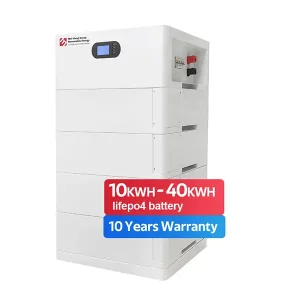
High voltage Lithium battery Stack Type

High-Voltage Stacked Lithium Battery for Commercial Microgrids

High-voltage stacked battery configuration designed for efficient C&I energy systems.
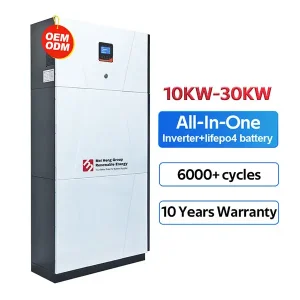
All in one Lithium battery 10kwh

All-in-One 10kWh Lithium Battery System for DR Congo Estates

Integrated inverter and storage system designed for plug-and-play installation in residential projects.
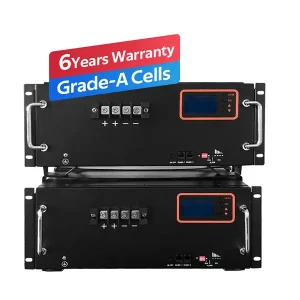
Rack type Lithium battery

Standard Rack-Mount Lithium Battery Module (OEM/ODM)

Standard 19-inch rack module designed for quick integration into telecom power rooms.
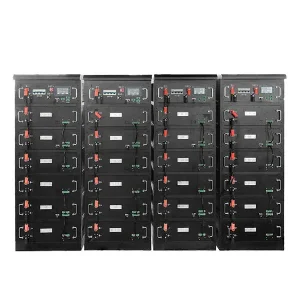
High voltage Rack type Lithium battery

High-Voltage Rack-Mount Battery Bank for Substation Support

Configurable rack system designed for back-up support at transmission nodes.
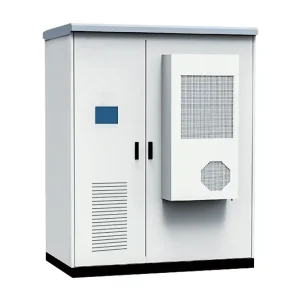
Outdoor ESS cabinet Air Cooling

Air-Cooled Outdoor On/Off Grid Energy Storage Cabinet

IP55-rated weatherproof enclosure with active air-cooling for high-temperature stability.
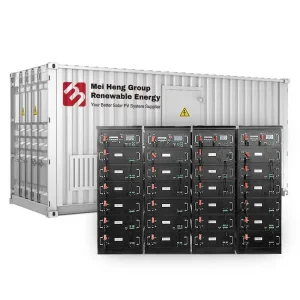
Customized ESS Container Solutions

Custom Megawatt-Scale Containerized ESS for Mine Sites

20ft/40ft containerized energy systems built for heavy industrial operations.
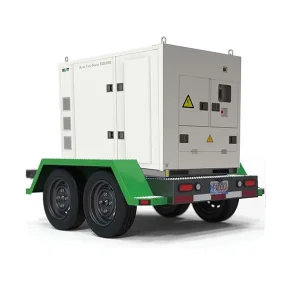
Mobile Power ESS Container

Mobile All-in-One ESS Container for Remote Exploration

Trailer-mounted portable power system designed for infrastructure and drilling projects.
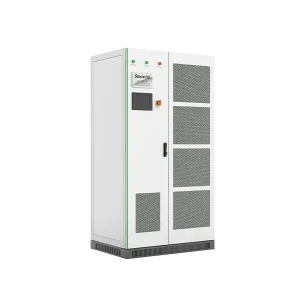
Rack Mounted Storage Inverter

PWS1-500KTL Rack-Mounted Energy Storage Inverter

Modular bi-directional converter designed for microgrid frequency management.
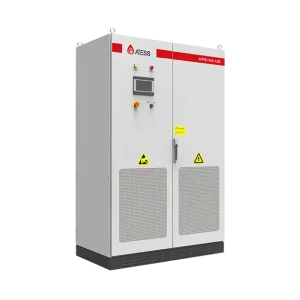
Hybrid Solar Inverter

HPS50/100/150-US Smart Hybrid Solar Inverter

A high-power hybrid inverter designed for split-phase utility integration.
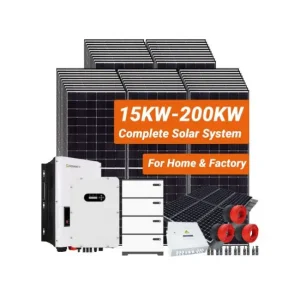
Complete Solar energy system kit

Complete Solar PV + ESS Kit for Farms and Agro-industries

Pre-engineered complete solar kits designed to support off-grid food processing plants.
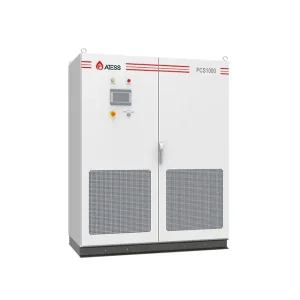
Battery Inverter PCS

PCS1000/1000HV High-Voltage Battery Power Converter

Utility-scale bi-directional PCS system designed for industrial load management.
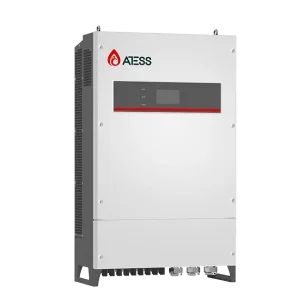
Three Phase Hybrid Inverter

HPS30K/40K/50K Three-Phase Industrial Hybrid Inverter

Three-phase hybrid inverter with integrated dual source input control.

Strategic Logistics & Localized Commissioning in DR Congo

Deploying heavy industrial hardware in the DR Congo requires careful logistical planning and technical coordination. Because regions like Lualaba and Katanga are landlocked, moving megawatt-scale containers requires structured supply chain routes.

Logistical Corridor Management

We manage transport routes from our manufacturing bases in China directly to site locations. This includes route planning through the port of Dar es Salaam in Tanzania or the port of Beira in Mozambique, followed by road transport to the southern mining areas, or via the port of Matadi for Kinshasa and western projects.

Commissioning and Local Engineering Support

To ensure system longevity, we provide structured installation support:

  • On-Site Supervision: Our senior commissioning engineers assist with grounding, busbar connections, and communication tests.
  • Remote Support: Built-in 4G/LTE gateways allow our technical team in China to perform diagnostic support and firmware updates.
  • Technical Training: We train local maintenance teams on battery handling, safety protocols, and daily maintenance procedures.

Frequently Asked Questions (FAQ)

Key information regarding the design, shipping, and operation of lithium battery storage systems in Central Africa.

Why is LiFePO4 chemistry preferred over NMC for installations in DR Congo?
LiFePO4 (LFP) offers significant safety advantages for hot climates. It has a higher thermal runaway threshold (around 270°C compared to NMC's 210°C) and does not release oxygen during thermal breakdown, significantly reducing fire risk. Additionally, LFP delivers a cycle life of 6,000+ cycles at 80% Depth of Discharge, making it a cost-effective choice for long-term installations.
How does high ambient temperature affect the warranty and performance of your systems?
High ambient temperatures can accelerate capacity degradation if not properly managed. To address this, our outdoor cabinets and containers use IP55-rated HVAC cooling systems that keep battery core temperatures within the optimal range of 20°C to 28°C. This protection ensures we can offer our standard performance warranties even in equatorial climates.
Can these lithium battery storage systems work alongside existing industrial diesel generators?
Yes. Our hybrid inverters and PCS units feature integrated generator control interfaces. They can coordinate with existing diesel generators, using battery power to handle sudden peak demands, which allows the generator to run at its most efficient load profile and reduces overall fuel consumption.
What is the typical transit and customs clearance time for project deliveries to Kolwezi?
Sea transit from Chinese ports to Dar es Salaam or Durban typically takes 25 to 35 days. Overland road transport and border clearance at Kasumbalesa or other entry points usually takes an additional 20 to 30 days, depending on local conditions. We provide all necessary technical documentation, test reports, and certifications to help streamline the customs clearance process.
How does the BMS handle grid fluctuations and voltage drops common in SNEL networks?
Our systems use dual-protection hardware. The inverter's input stage handles wide voltage fluctuations (typically -20% to +15%), while the BMS monitors the battery bank at the cell level. If grid conditions fall outside safe parameters, the system quickly disconnects from the grid and transitions to island mode, protecting both the battery cells and connected industrial loads.

Secure Your Energy Autonomy in DR Congo

Discuss your project specifications with our technical sales team. We provide custom sizing, engineering designs, and logistical quotes tailored to your site requirements.

Send Inquiry Now