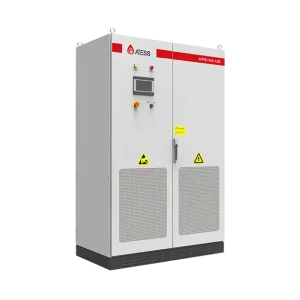
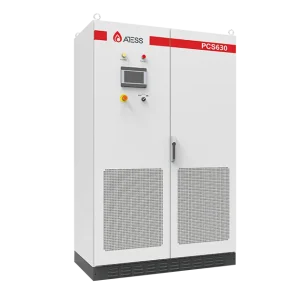
Engineered for high ambient efficiency, resilience against micro-dust ingress, and optimization of Levelized Cost of Energy (LCOE).
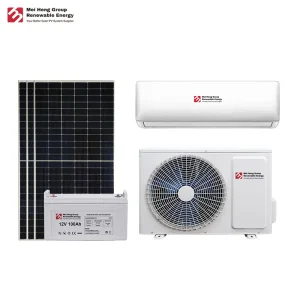
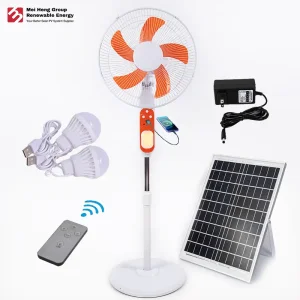
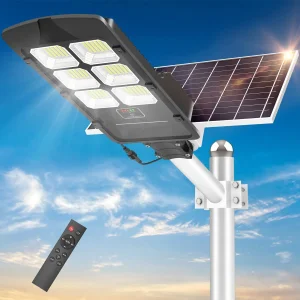
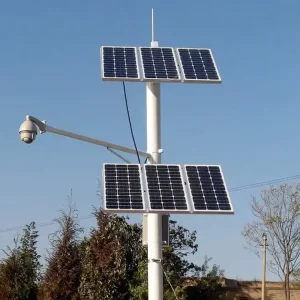
Analysis of high-temperature PV degradation, local net-metering regulations, and strategic capital expenditure (CAPEX) advantages.
Dubai, historically synonymous with exponential urban and industrial growth, has established itself at the forefront of the global energy transition. Under the framework of the Dubai Clean Energy Strategy 2050 and the Net Zero Carbon Emissions by 2050 Strategy, the emirate target is to derive 100% of its energy from clean sources. To operationalize this vision, the Dubai Electricity and Water Authority (DEWA) launched the Shams Dubai Initiative. This regulatory vehicle allows commercial, industrial, and residential facility owners to connect solar photovoltaic (PV) systems to the state grid, feed in surplus generation, and optimize operational expenditure (OPEX) via a net-metering billing model.
Implementing C&I solar applications in the Middle East demands localized hardware and materials engineering. Desert environments present extreme weather profiles—ambient summer temperatures routinely exceeding 50°C, high relative humidity (RH), and persistent dust and sand deposit challenges. Standard off-the-shelf photovoltaic components typically fail or experience accelerated degradation in these environments. Our systems are engineered specifically to combat these environmental realities, maximizing the Performance Ratio (PR) of Middle Eastern solar assets.
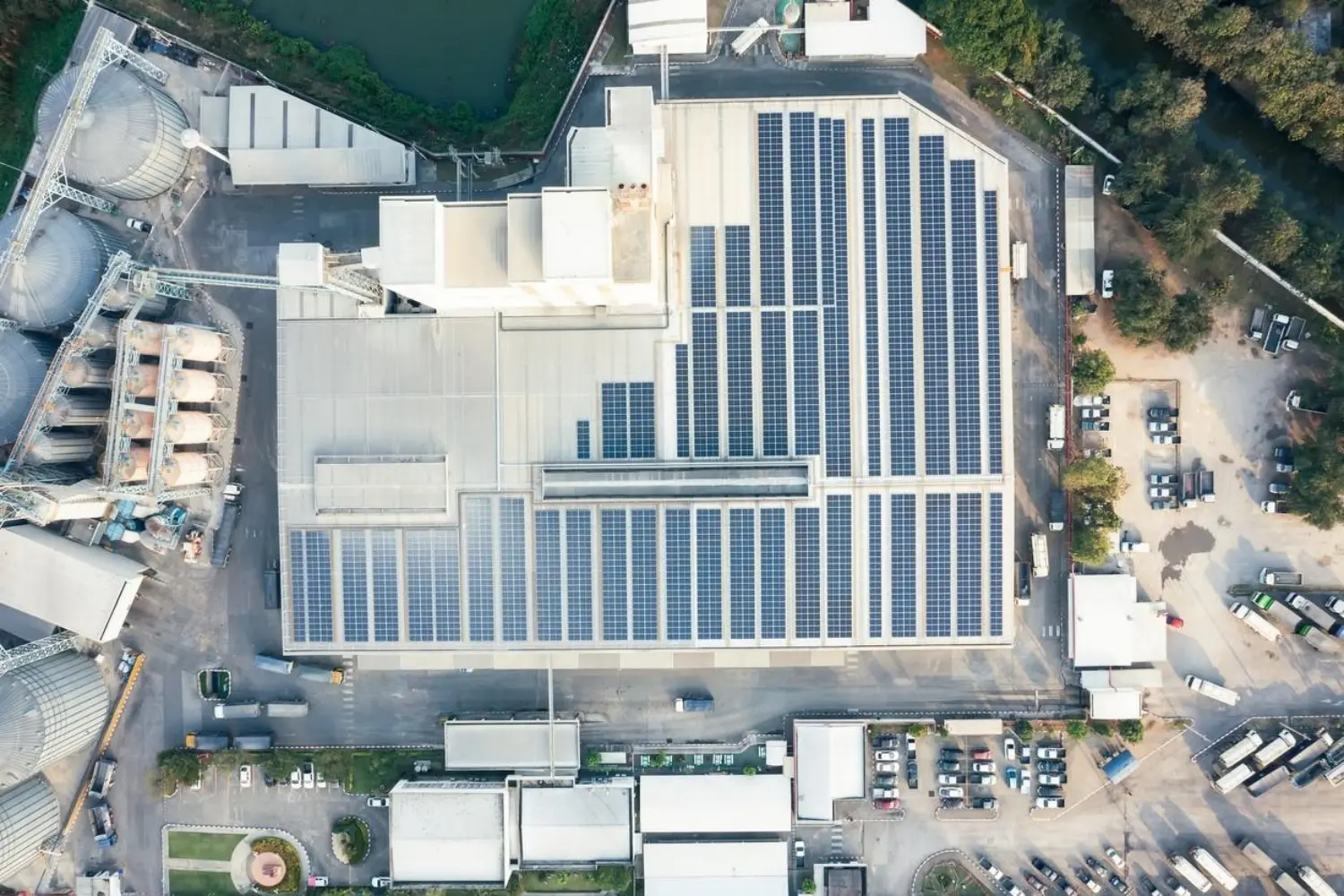
In standard solar modules, nominal operating cell temperature (NOCT) sits around 45°C. At an ambient temperature of 50°C, actual PV cell temperatures can exceed 75°C. Without state-of-the-art N-type TOPCon or Heterojunction (HJT) module integration, standard P-type modules undergo power output losses of 0.35% to 0.45% per °C rise above 25°C. Our commercial N-type TOPCon modules boast a class-leading temperature coefficient of just -0.30%/°C, preserving megawatts of power annually under Dubai's intense solar irradiance profile.
How we address specific regional industries: logistics, smart cities, remote oil exploration, and agriculture.
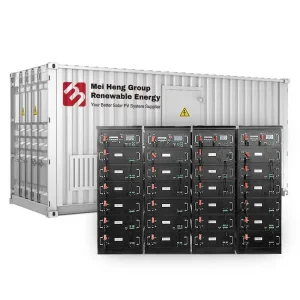
For factories, cold storage hubs, and port facilities in Jebel Ali Free Zone (JAFZA), grid stability and peak demand charge mitigation are vital. Our customized containerized ESS platforms provide high energy density LFP (Lithium Iron Phosphate) chemistry coupled with advanced liquid cooling loops. This ensures safe operation up to 55°C without thermal runaway, allowing peak-shaving, load-shifting, and emergency backup services for factories carrying out heavy high-load operations.
By shifting grid dependence away from high-tariff peak hours to overnight or solar-offset hours, industrial operations can realize a CAPEX return on investment (ROI) within 4.5 to 6 years, depending on local industrial electricity slabs.
Combining world-class production scale with rigorous IEC certifications to deliver optimal cost-to-performance efficiency.
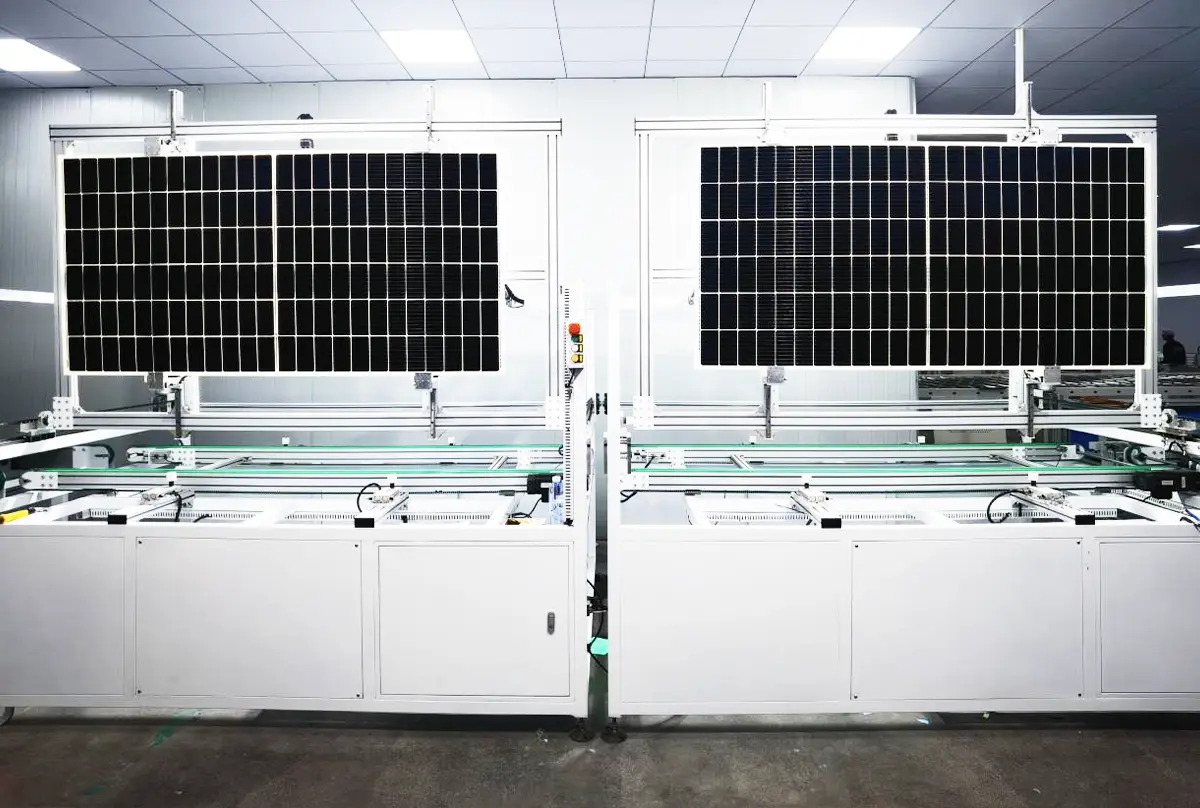
Our manufacturing cluster features fully automated N-type TOPCon, Heterojunction (HJT), and Lithium-ion battery assembly lines. Through vertical integration of ingot growing, wafer slicing, cell fabrication, and module assembly, we maintain rigid control over our raw materials and end-product quality. This allows us to guarantee reliable product delivery even during global shipping fluctuations.
Key highlights of our manufacturing infrastructure:
A closer look at our primary technological units designed for long life spans in hyper-arid zones.
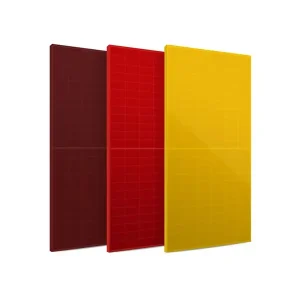
Manufacturing full-range high-efficiency N-type TOPCon, HJT, and P-type mono/bifacial PV modules ranging from 400W up to 700W+ for utility-scale systems.
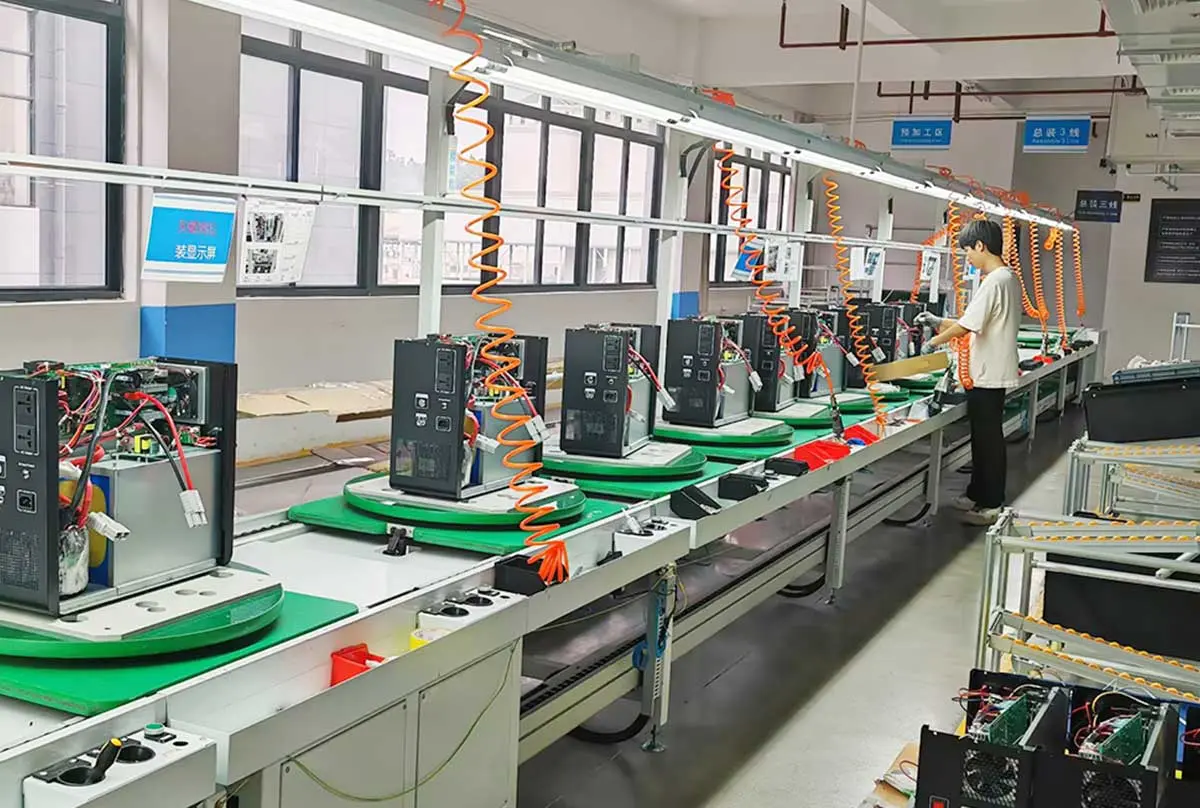
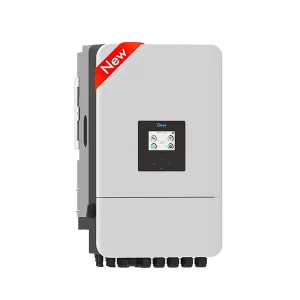
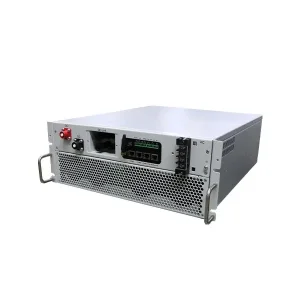
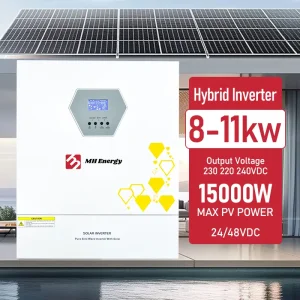
Producing single-phase and three-phase hybrid off-grid/on-grid power conversion systems with advanced thermal designs for up to 60°C operating ambient conditions.
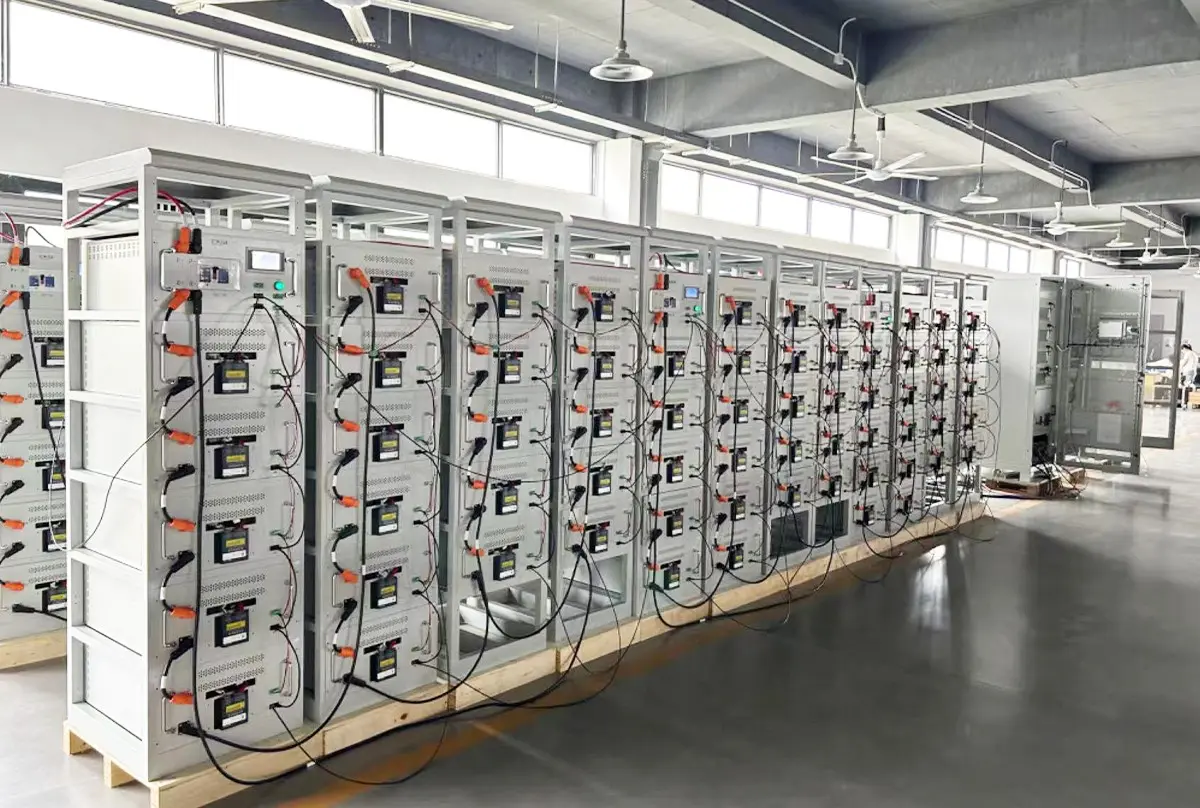
Specialized battery pack assembly utilizing robust prismatic LiFePO4 cells to construct modular low-voltage / high-voltage home & commercial storage solutions.
Guaranteeing performance and safety through rigorous testing with international certification bodies.






Our complete component lineup holds valid certifications under IEC 61215, IEC 61730, UL 1973, UL 9540A, and CE standards. This simplifies grid compliance audits with local distribution network operators like DEWA in Dubai and ADDC in Abu Dhabi, reducing system commissioning times.
Engineered for high efficiency, high-density storage, and extreme environmental durability.
Technical answers to key structural and engineering queries regarding PV design and installation in the Middle East.
Dust accumulation (soiling) is one of the most critical causes of performance drops in desert regions, often resulting in energy yield losses of up to 30% within a few weeks without cleaning. Our systems address this in two ways:
Yes. Our industrial-grade hybrid storage systems, including the customized ESS container solutions, feature built-in grid synchronization capabilities that match DEWA's strict power quality standards. They feature active reactive power control, smart anti-islanding mechanisms, high-speed circuit isolation, and harmonic distortion control (THD < 3%). These protections ensure quick grid connection approvals under the Shams Dubai net-metering program.
Air-cooling struggles to maintain uniform cell temperatures during summer heat peaks when batteries are rapidly charging or discharging. Liquid cooling systems directly route dielectric fluid channels through the battery modules. This delivers highly uniform thermal distribution with minimal auxiliary power draw. The system maintains cell temperatures within their sweet spot (25°C to 35°C), extending battery cycle life to over 6000 cycles at 80% Depth of Discharge (DoD) even under extreme ambient temperatures.
Leveraging our vertically integrated supply chain, our standard manufacturing lead time is 15 to 25 days depending on the customization level of the modules or ESS systems. Ocean transit from major Chinese shipping hubs to Jebel Ali Port in Dubai typically spans 15 to 18 days. We also offer dedicated customs clearance documentation support to streamline customs procedures upon cargo arrival.
 MH Energy