Directly from our advanced production facilities: high-capacity energy storage conversion devices optimized for Namibia’s utility and mini-grid structures.
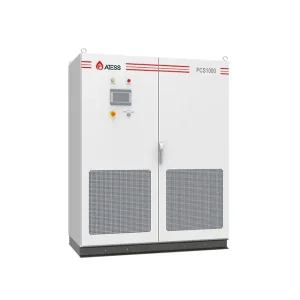
High-voltage, grid-tied modular power conversion design optimized for NamPower grid code compliance.
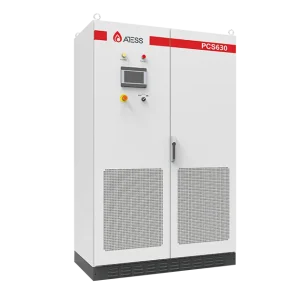
Flexible and scalable off-grid and on-grid configuration modes, custom-built for large mines.
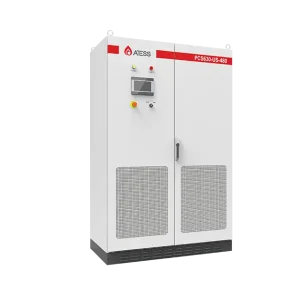
Engineered with advanced thermal management to withstand the high ambient temperatures of the Namib Desert.
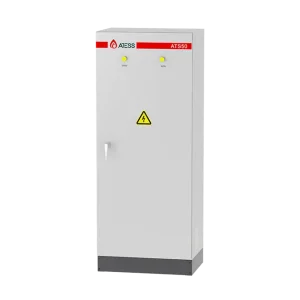
Seamless backup transfer switches offering uninterrupted power supply for critical commercial installations.
Namibia enjoys one of the highest solar irradiance levels in the world, averaging over 3,000 hours of bright sunshine per year. However, translating this vast natural resource into stable, productive energy requires sophisticated power electronics. The country’s energy grid, managed by NamPower, is currently undergoing modernization under the Harambee Prosperity Plan, aiming for energy self-sufficiency and reduced reliance on imports from South Africa's Eskom network.
For the industrial sectors—particularly Namibia's extensive mining operations in Erongo, Otjozondjupa, and Karas regions (uranium, gold, diamonds, and base metals)—voltage fluctuations and energy cost peaks represent severe operating challenges. Power Conversion Systems (PCS) are critical in mitigating these grid instabilities.
In off-grid remote mines and agricultural hubs across Namibia, our PCS acts as a grid-forming asset. It controls voltage, manages black-start conditions, and integrates high-capacity battery banks directly with photovoltaic arrays.
Our factory specializes in manufacturing high-efficiency hybrid inverters and customized large-scale PCS configurations that adhere strictly to local electrical codes while introducing global technology breakthroughs in high-voltage silicon carbide (SiC) semiconductor architectures.
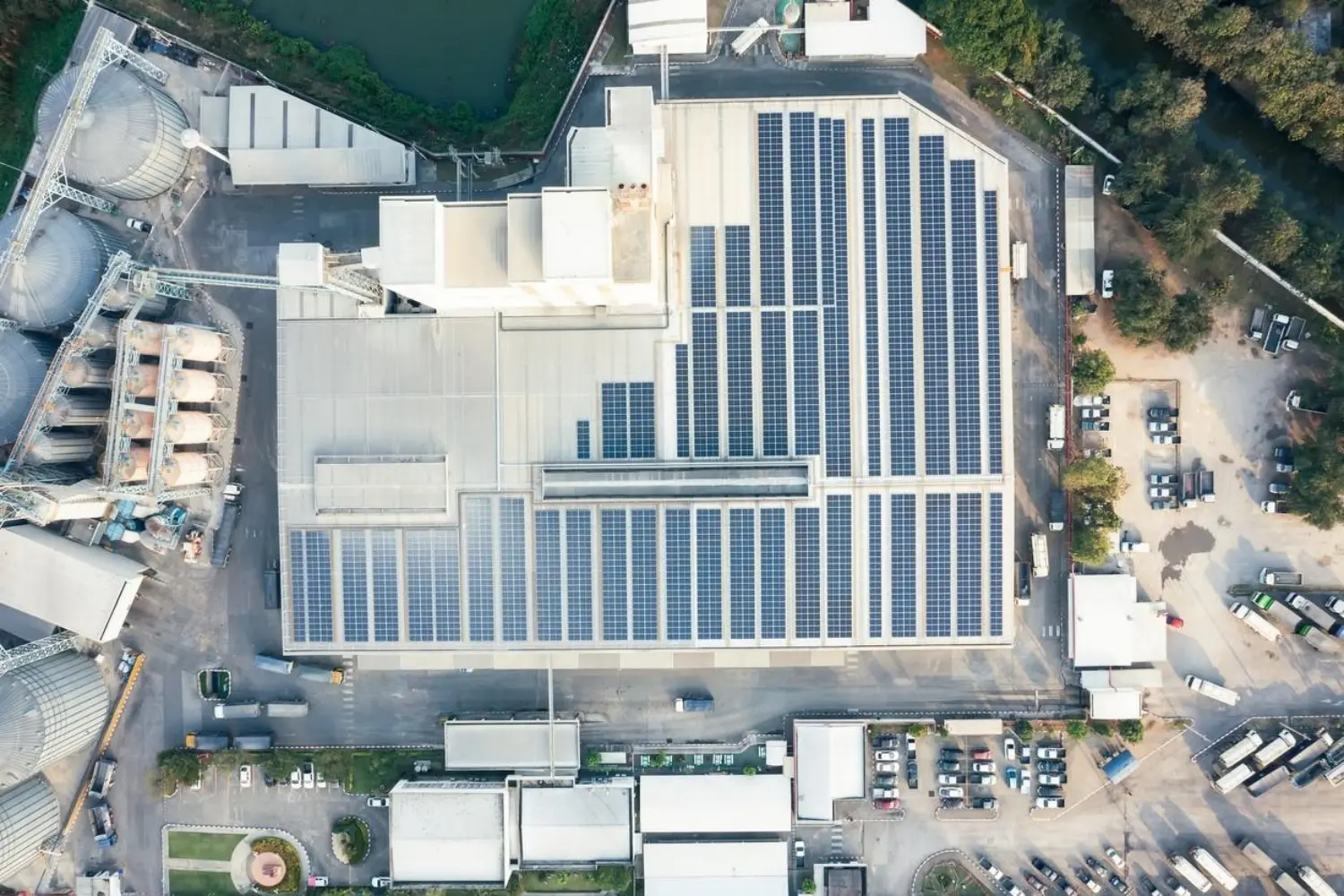
Bridging high-capacity Chinese manufacturing excellence with on-site, compliance-driven African utility integration.
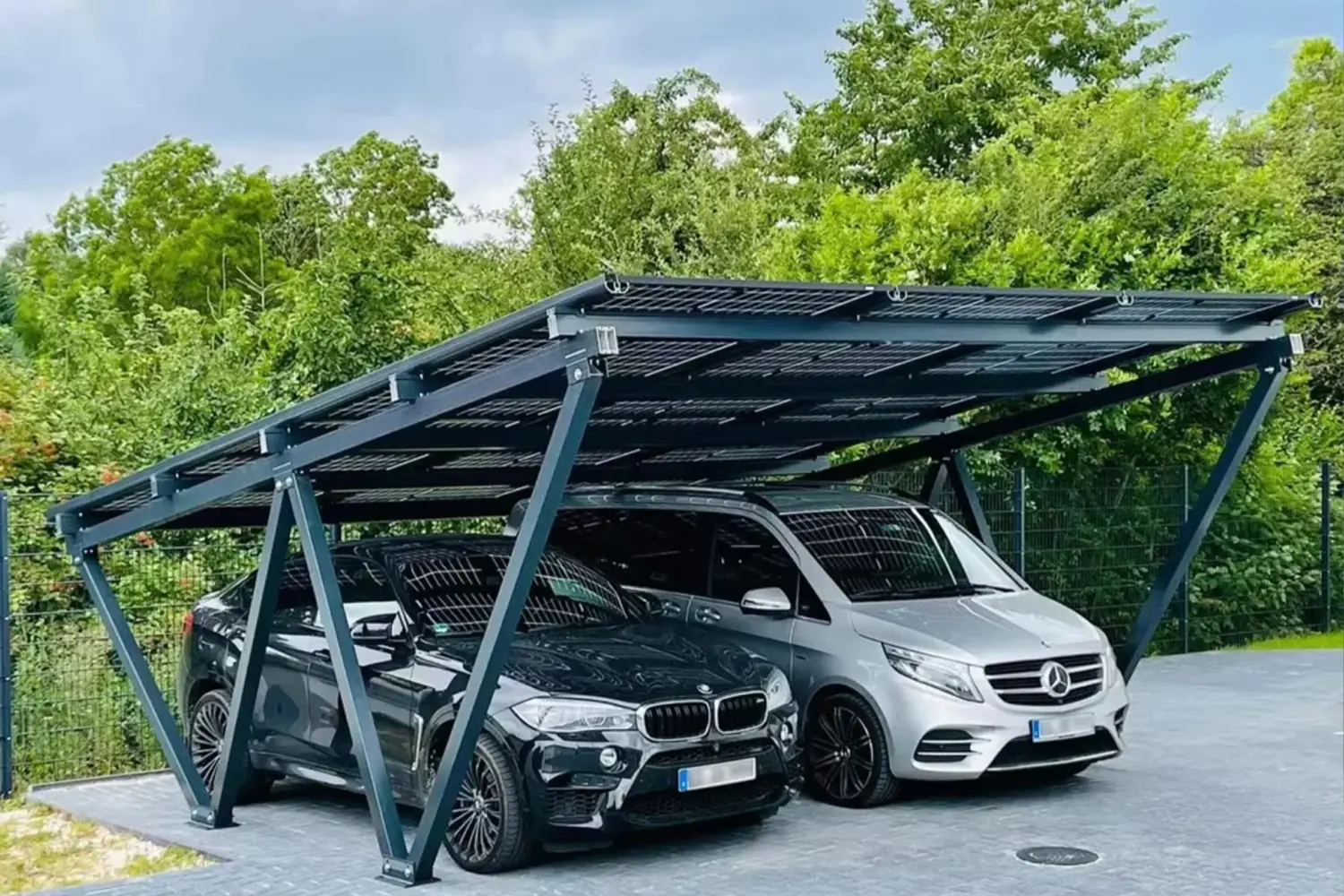
Standard residential and light-commercial inverters suffer from thermal derating—a drop in power output performance when temperatures rise above 40°C. In regions like the Namib Desert and north-eastern Namibia, temperatures routinely spike, rendering standard equipment inefficient.
Our new generation of hybrid smart inverters and utility PCS cabinets are built with dynamic forced-air or liquid cooling technologies. These protect power circuits and electronic switches up to 50°C without power loss, ensuring optimal yields from your PV fields throughout the peak afternoon sunshine.
Given the massive geographical distances between urban centers in Namibia, distribution power grids suffer from line losses. Our grid-tied inverters feature active voltage regulation, reactive power support (VAR control), and swift anti-islanding mechanisms. This ensures they can operate efficiently both in parallel with NamPower lines and independently during outages, protecting agricultural and manufacturing processes.
Tailored solar and energy storage configurations designed to reduce diesel fuel dependency, cut electrical bills, and ensure uninterrupted operations.
Complete remote independence for safari lodges, mines, and rural farming collectives across Namibia.
Intelligent smart-inverter solutions coupled with lithium arrays for homes in Windhoek, Swakopmund, and Walvis Bay.
High-capacity PCS units integrated with solar arrays to bypass peak electrical tariffs and ensure productivity.
Utility-grade 20ft and 40ft energy containers utilizing LiFePO4 cells to store energy for off-grid operations.
How our products solve energy grid and supply chain issues across Namibia's main industrial zones.
In coastal places like Swakopmund and Henties Bay, water desalination plants rely heavily on uninterrupted power. Our PCS systems maintain frequency and voltage parameters, ensuring that high-surge pumps run smoothly on pure solar PV energy during peak hours, significantly lowering overhead costs.
Discuss Agricultural Solutions →Remote mines often run on expensive diesel generators. By deploying a hybrid layout using our HPS HV inverters and high-capacity battery units, operators can implement active peak-shaving. This minimizes fuel consumption by storing solar energy during the day and discharging it during peak mining shifts.
Consult Mining Engineering Team →Eco-tourism destinations, such as those in Sossusvlei or Etosha National Park, must maintain low noise levels and clean air. Our HPS single-phase and three-phase hybrid inverters combine with quiet battery storage systems to deliver 24/7 silent, green power, protecting the local environment.
Explore Hospitality Solutions →Utilizing advanced production facilities, high-grade components, and strict QC testing procedures to deliver high-quality components for utility installations.
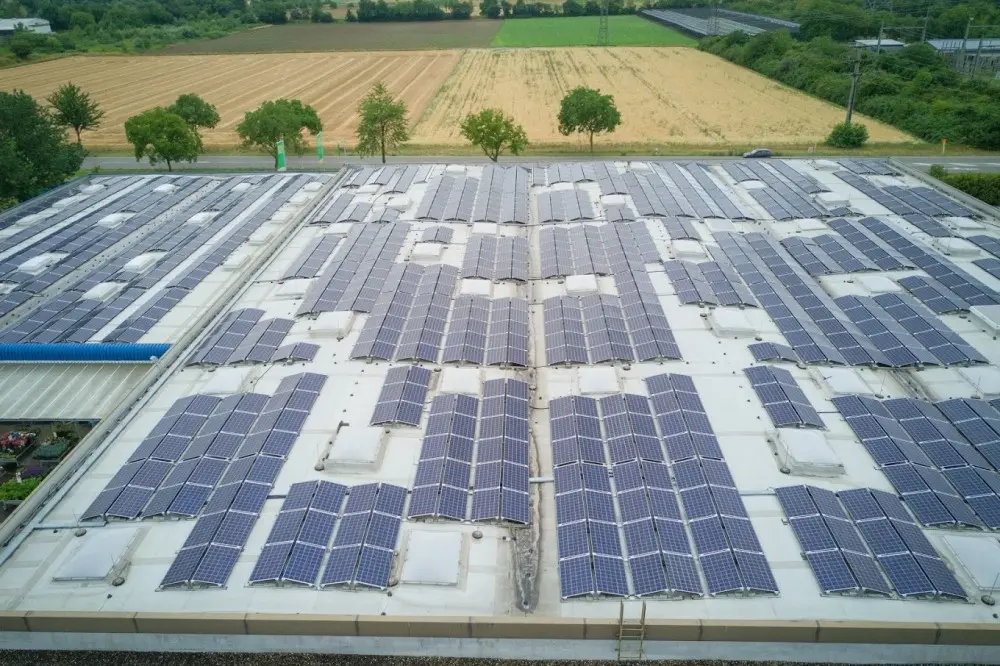
Our state-of-the-art photovoltaic module factory, with an annual capacity of 10GW, features modern automated manufacturing lines. We specialize in producing both N-type TopCon and standard P-type high-efficiency panels, generating outputs from 400W up to 700W+ to ensure reliable performance under extreme UV conditions.
Annual Output
Technology Types
Our inverter manufacturing division produces highly compatible off-grid, hybrid, and utility-scale grid-interactive PCS units. We integrate high-speed digital processing chips with efficient topologies to guarantee conversion efficiency. Our units support seamless BMS communication protocols, making integration with modern lithium batteries easy.
Capacity Range
Remote Telemetry
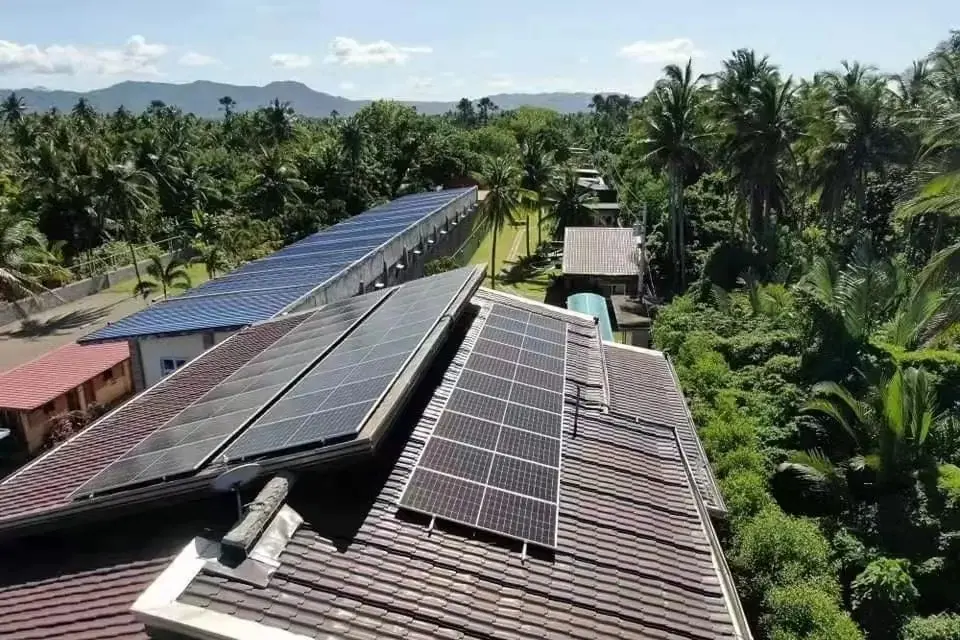
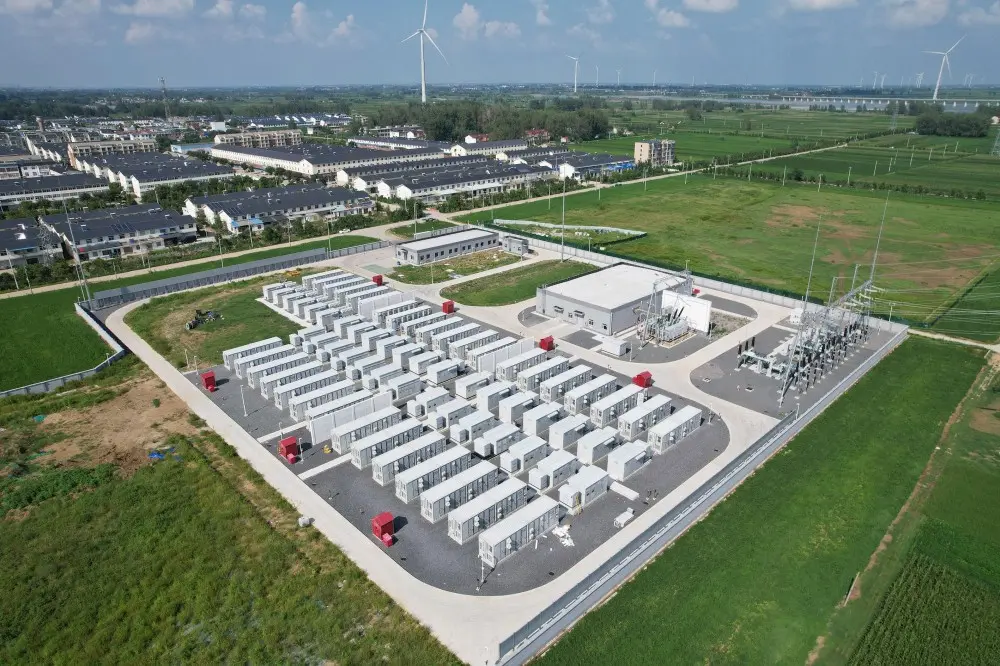
Backed by over 20 years of expertise in high-power electric industries, our battery division focuses on developing safe lithium iron phosphate (LiFePO4) storage technologies. From residential wall-mounted units to modular containers, we provide system engineering, safety analysis, thermal management, and reliable operation.
Battery Cell Tech
Design Lifetime
We offer comprehensive customization services, allowing you to tailor technical specifications, communication interfaces, and enclosure ratings (IP54/IP65) to meet the requirements of particular Namibian microgrid projects. Our engineering team provides electrical layout schematics and grid connection support to help streamline local installation processes.
Explore our comprehensive range of high-efficiency PCS systems, industrial bypass switches, and off-grid hybrid solutions.
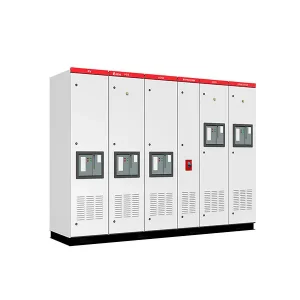
Facilitates quick maintenance operations without requiring system-wide shutdowns.
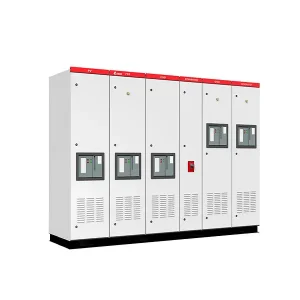
Designed for large industrial microgrids, protecting critical hardware assets.
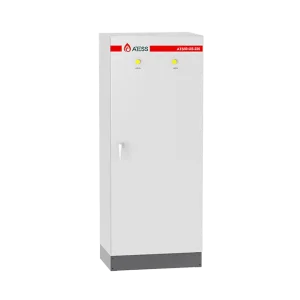
Highly reliable transfer switches that maintain connection stability for remote base stations.
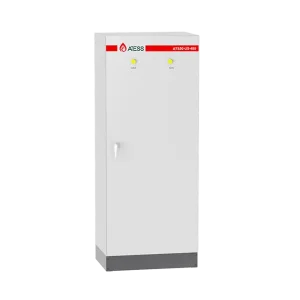
Heavy-duty configurations designed to withstand dusty environments.
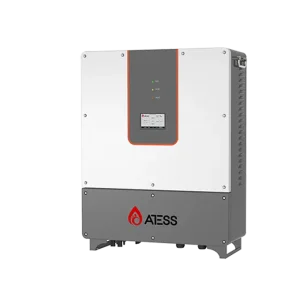
An ideal single-phase option for residential rooftop systems in urban areas.
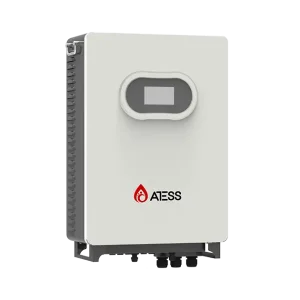
Cost-effective hybrid solution tailored for agricultural and deep-well water pumping systems.
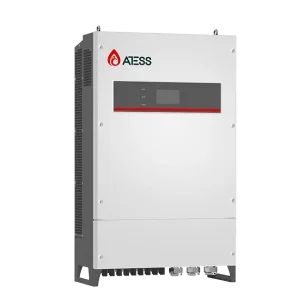
Robust 3-phase hybrid configuration designed for commercial and industrial use.
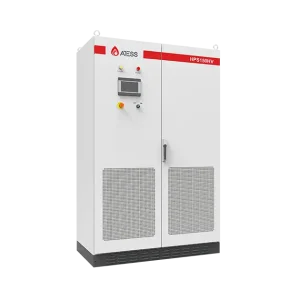
High-voltage battery interface designed to reduce transmission line losses in large arrays.
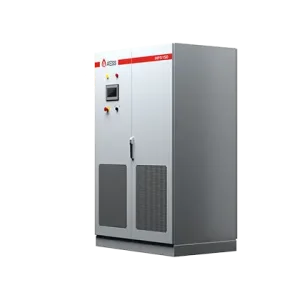
Scalable hybrid system configuration that easily adapts to expanding commercial facilities.
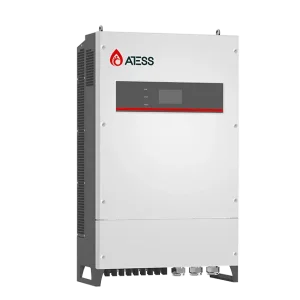
Specially configured voltage profiles optimized for localized safari hotel microgrids.
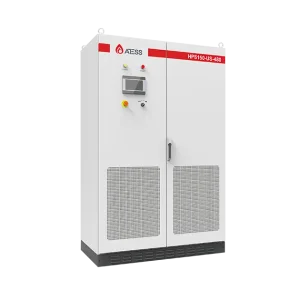
Corrosion-resistant chassis option suitable for installation near coastal maritime environments.
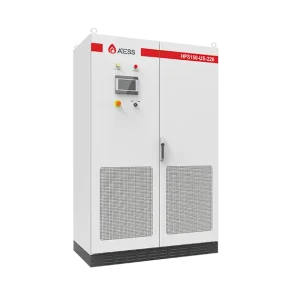
Advanced logic controller handles battery dispatch dynamically during peak periods.
Our components and systems interface seamlessly with top global solar technology manufacturers to ensure high component compatibility.


















Our PV modules, inverters, and battery energy storage products undergo extensive verification tests. They are fully compliant with international safety codes (such as CE, IEC, and SANS) and meet the requirements needed for grid connection in the Southern African Development Community (SADC) region.
This compliance ensures seamless integration into local systems, helping Namibian developers reduce regulatory hurdles and protect their energy assets.
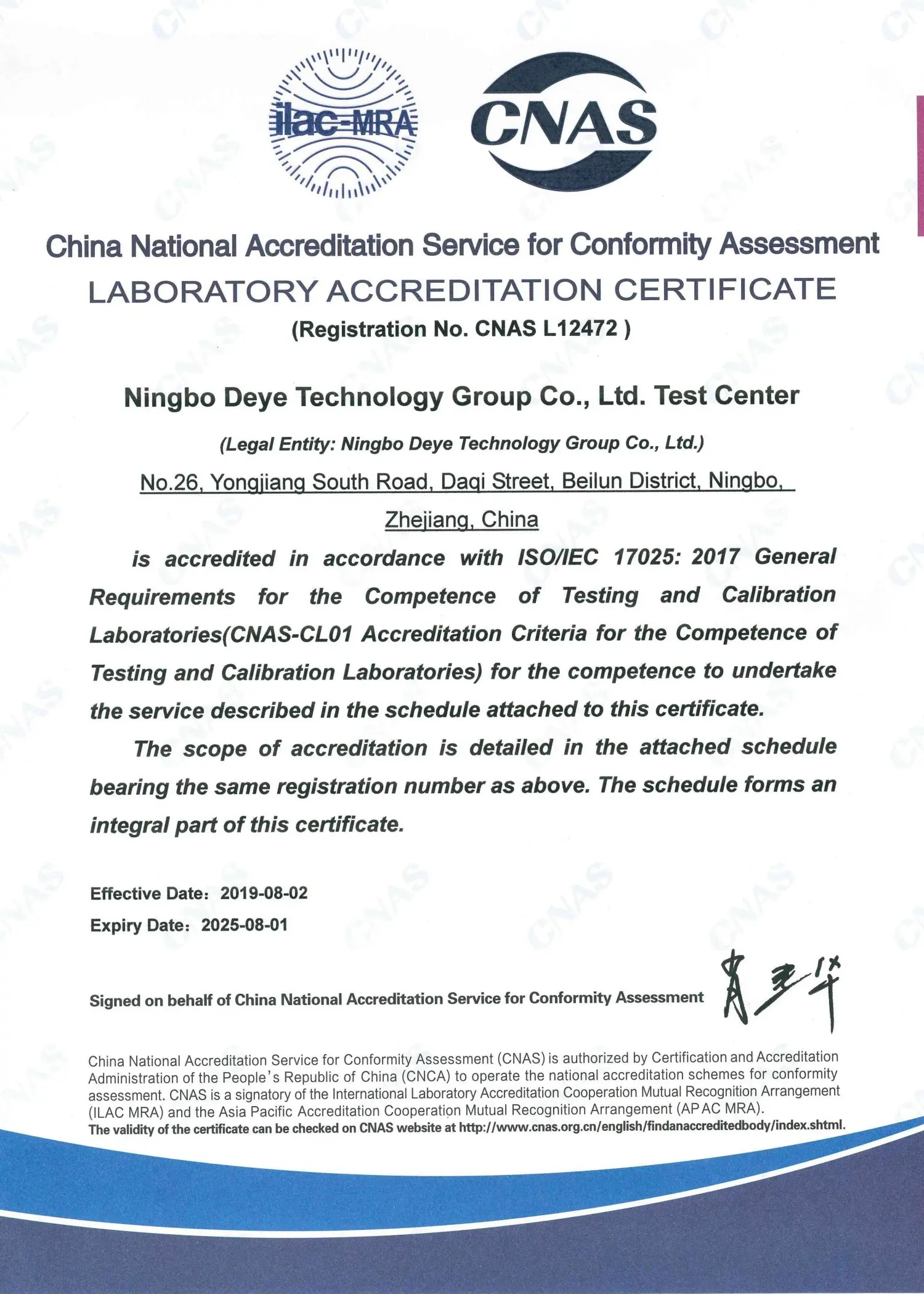
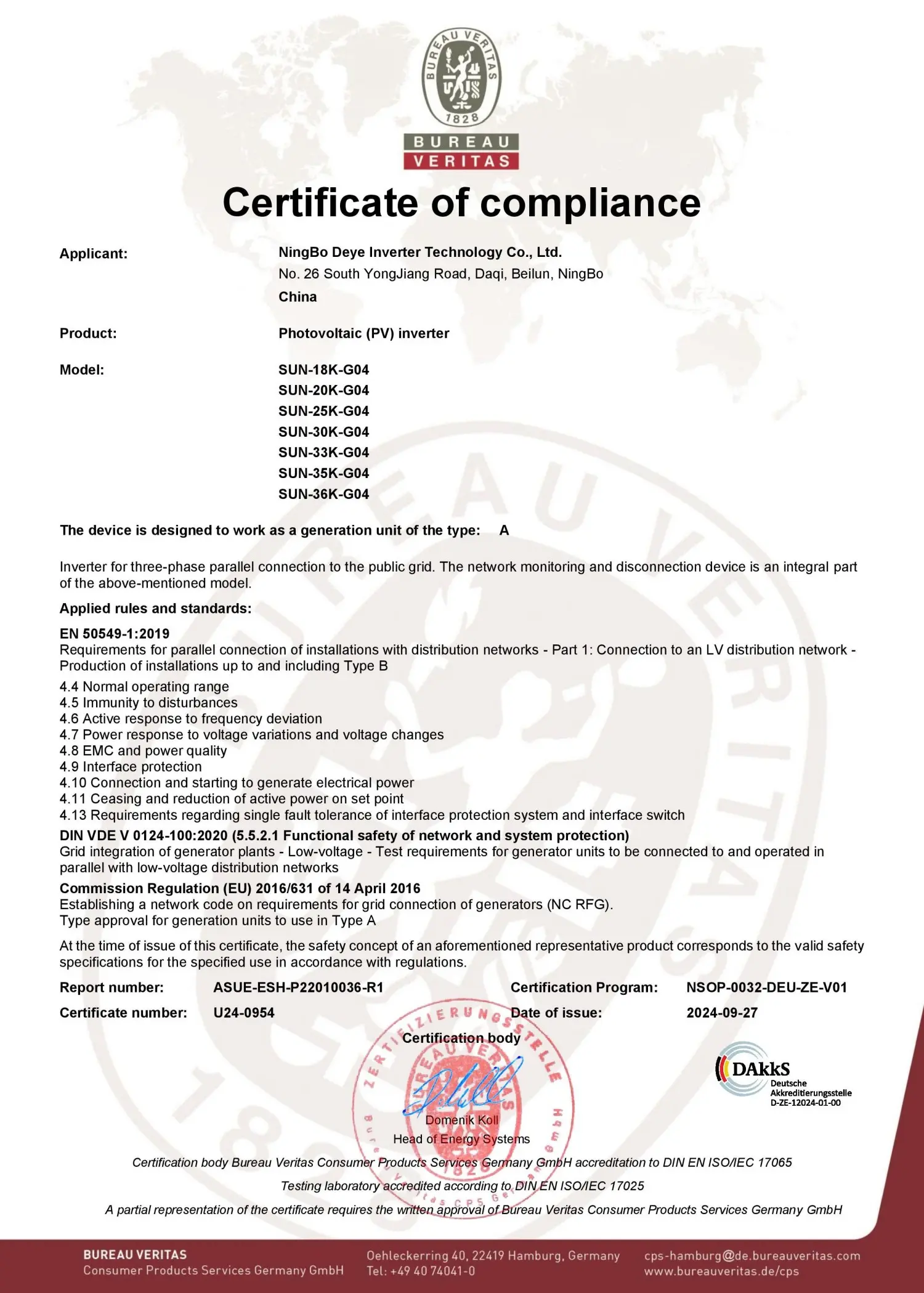
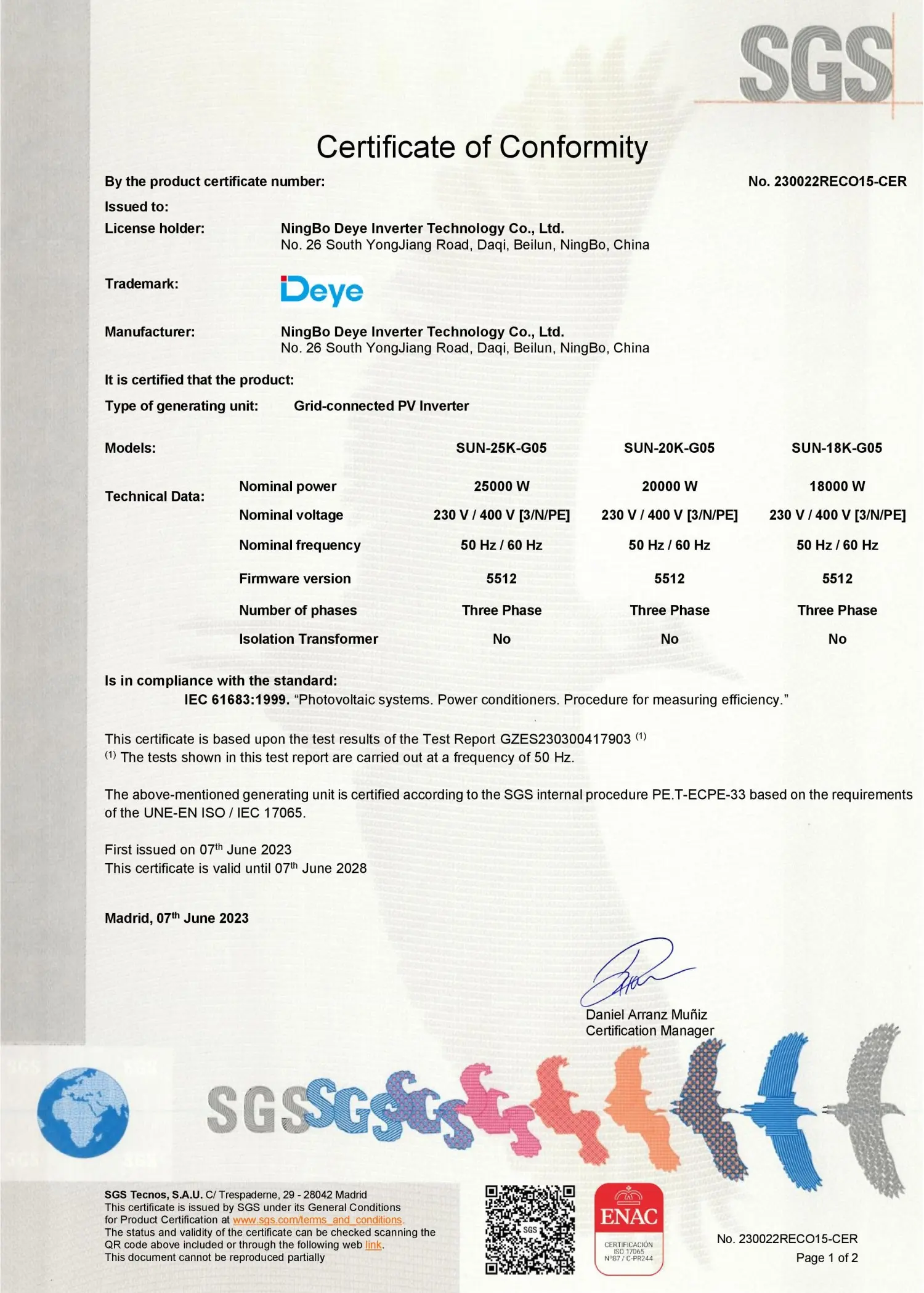
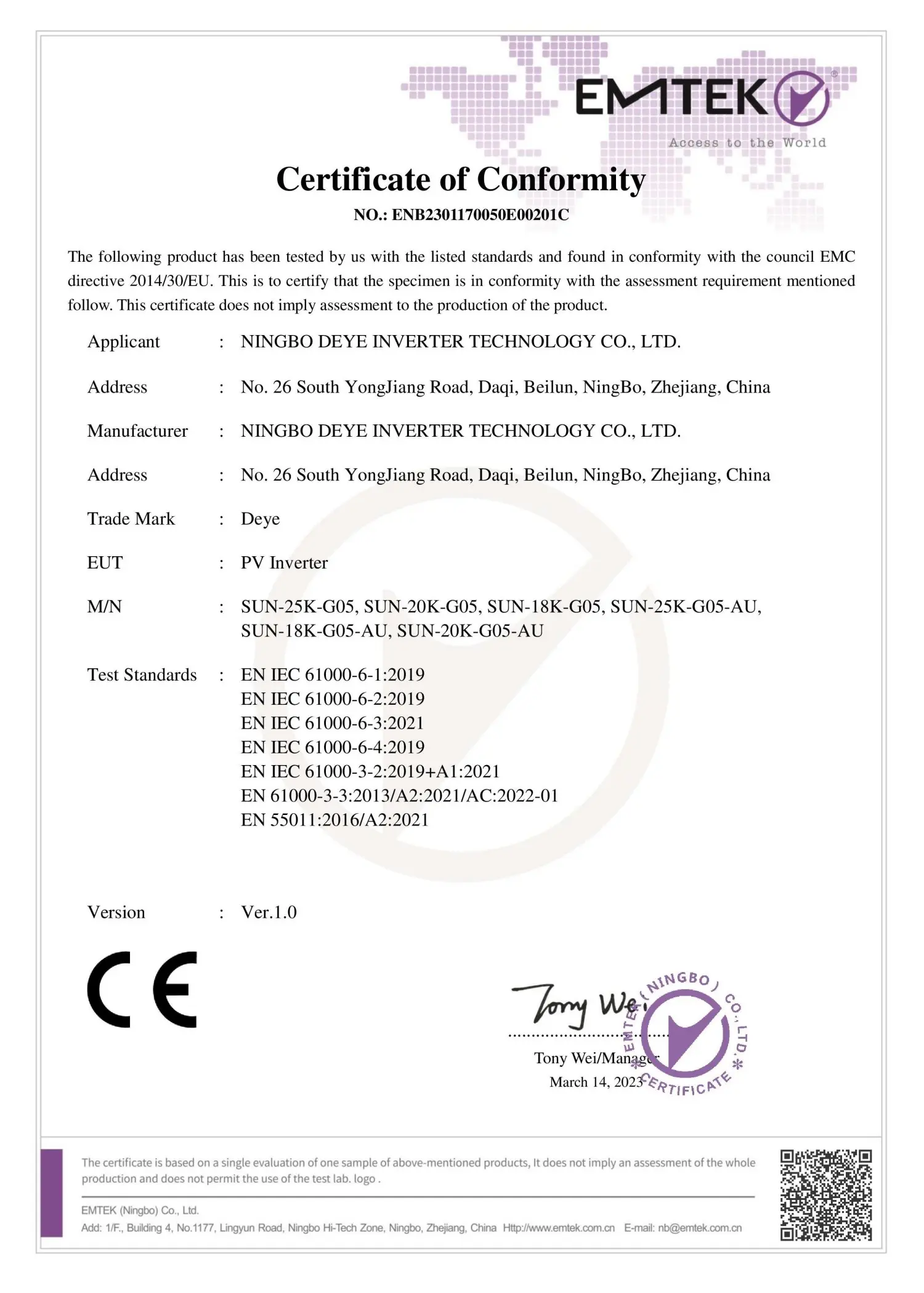
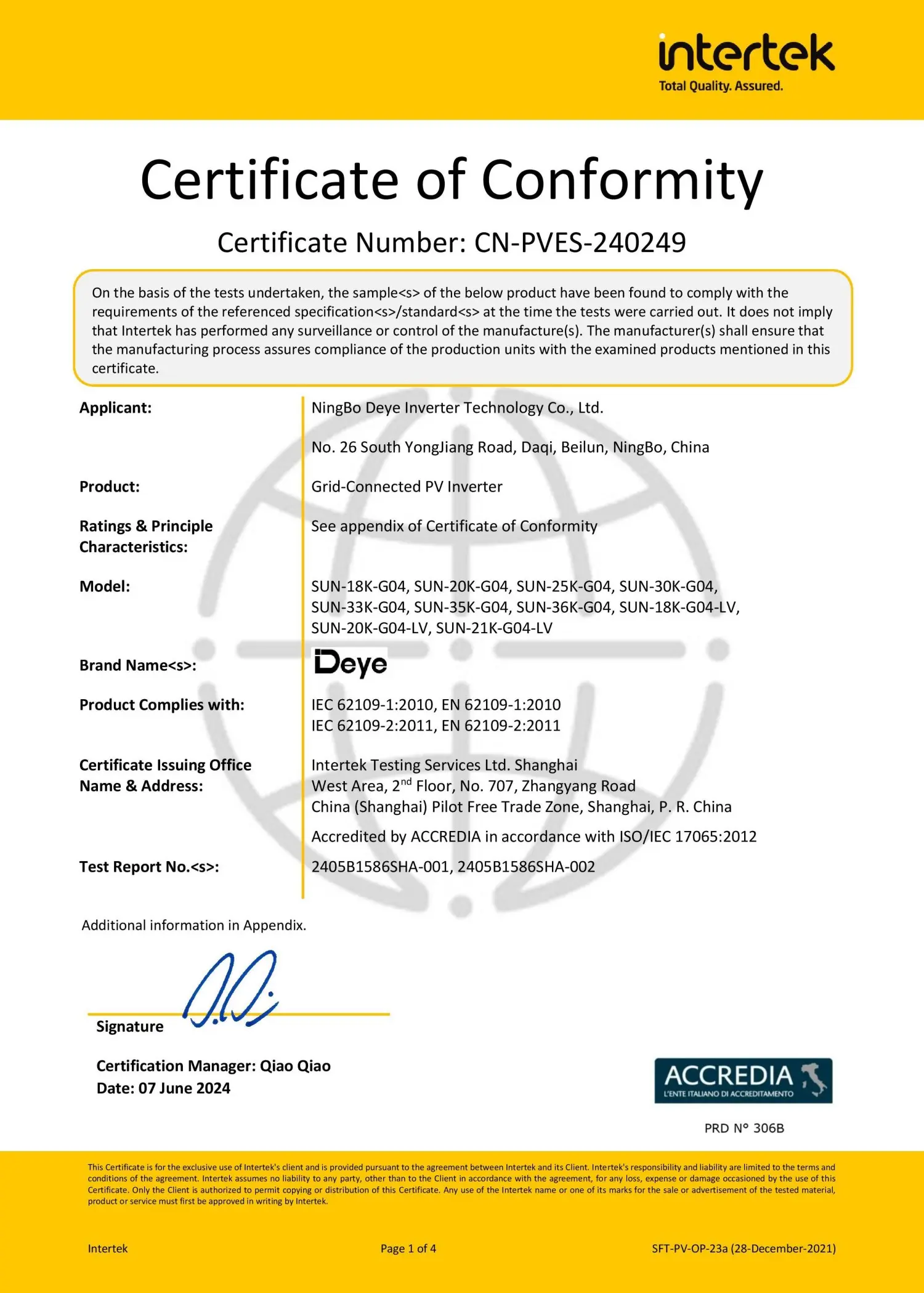
As Namibia pursues its target of generating 70% of its electricity from renewable sources by 2030, power electronics technology must continue to adapt.
Moving from 1000V DC input to 1500V setups helps lower installation costs, reduces wiring requirements, and minimizes line losses over long distances in Namibia's large-scale solar installations. Our factory is expanding its range of 1500V PCS products to support utility-scale grid integrations.
Integrating smart controllers into our hybrid inverters allows them to dynamically adjust to local weather forecasts and time-of-use tariffs. This logic helps commercial facilities optimize when they charge and discharge their batteries, maximizing energy savings automatically.
Common technical and commercial questions about deploying our solar solutions in Southern Africa.
 MH Energy